
TSLA400.62011.72%
GM81.3203.27%
F12.8700.43%
RIVN17.2300.34%
CYD43.2600.9381%
HMC25.0000.64%
TM217.2004.34%
CVNA387.50025.26%
PAG161.3205.3%
LAD283.0408.17%
AN207.9909.7%
GPI349.94014.46%
ABG211.4407.35%
SAH70.7003.33%
TSLA400.62011.72%
GM81.3203.27%
F12.8700.43%
RIVN17.2300.34%
CYD43.2600.9381%
HMC25.0000.64%
TM217.2004.34%
CVNA387.50025.26%
PAG161.3205.3%
LAD283.0408.17%
AN207.9909.7%
GPI349.94014.46%
ABG211.4407.35%
SAH70.7003.33%
TSLA400.62011.72%
GM81.3203.27%
F12.8700.43%
RIVN17.2300.34%
CYD43.2600.9381%
HMC25.0000.64%
TM217.2004.34%
CVNA387.50025.26%
PAG161.3205.3%
LAD283.0408.17%
AN207.9909.7%
GPI349.94014.46%
ABG211.4407.35%
SAH70.7003.33%

Supreme Court decision threatens Biden’s vehicle emissions cut efforts

The justices ruled 6-3 to overturn the 1984 "Chevron deference" precedent.
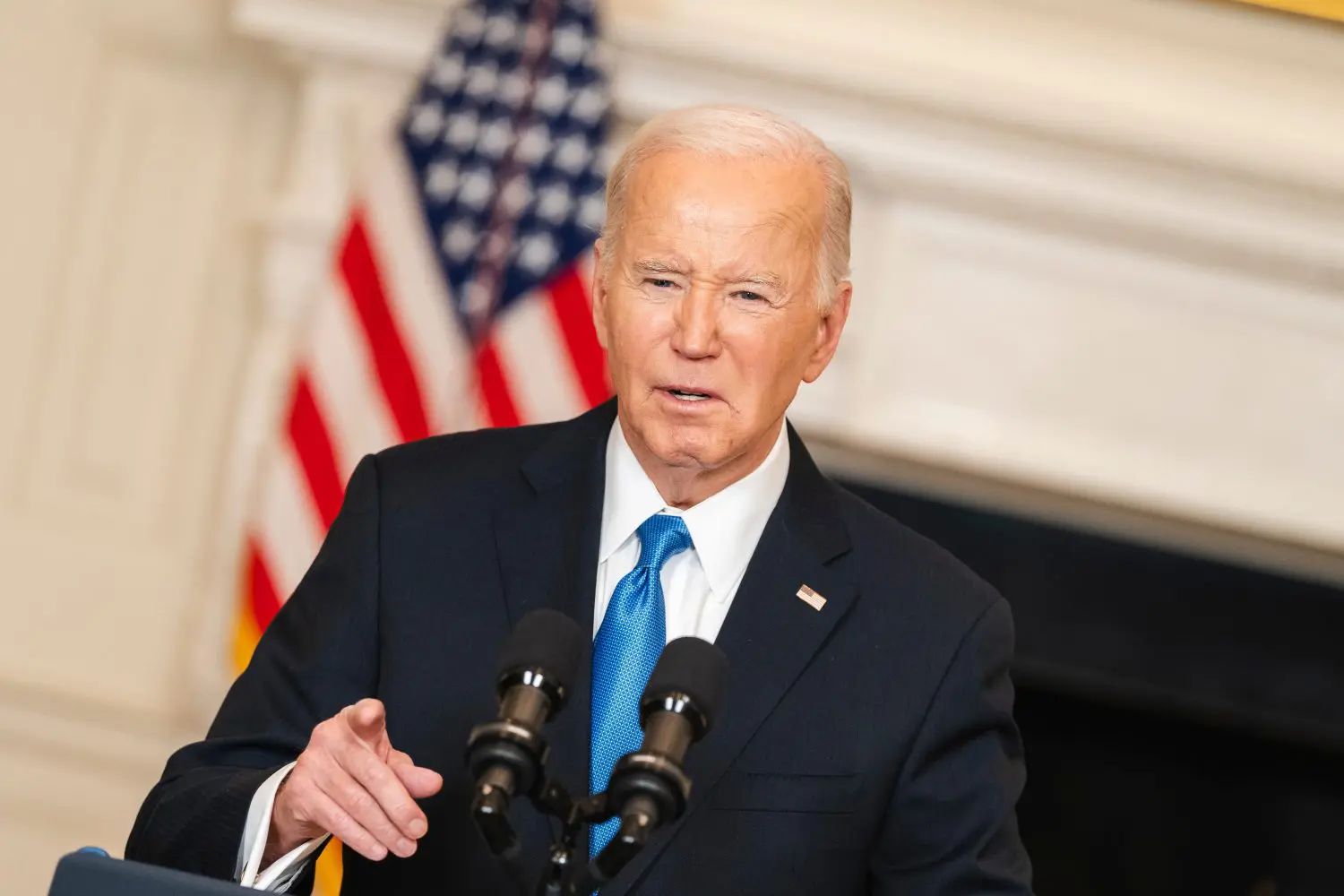
A recent U.S. Supreme Court ruling limiting federal regulatory powers could hinder President Biden's initiative to reduce tailpipe emissions.

According to two environmental law attorneys, a recent U.S. Supreme Court ruling limiting federal regulatory powers could significantly hinder President Joe Biden’s initiative to reduce tailpipe emissions from the nation’s vehicle fleet. The justices ruled 6-3 to overturn the 1984 “Chevron deference” precedent, which required judges to defer to reasonable federal agency interpretations of ambiguous U.S. laws, such as the Clean Air Act.

The ruling poses a challenge to federal agencies’ ability to defend stringent regulations on various environmental, healthcare, and other laws. Biden’s efforts to reduce greenhouse gas (GHG) emissions from cars and trucks, which target mobile sources rather than stationary ones like power plants, are particularly at risk. The Clean Air Act’s ambiguity on regulators’ mandate to target mobile sources complicates the issue.

Sherry Jackman, an environmental litigator and compliance counselor at Greenberg Glusker in Los Angeles, noted the longstanding debates on the Environmental Protection Agency’s (EPA) authority to regulate emissions from mobile sources. Transportation contributes about a quarter of U.S. carbon output, making it a critical focus for the Biden administration’s decarbonization strategy.

David Pettit, senior attorney for climate and energy with the Natural Resources Defense Council, predicted that critics would leverage the Chevron decision to challenge vehicle regulations addressing greenhouse gases. He highlighted that the oil industry, in particular, might argue that the EPA lacks the legal authority to regulate GHG emissions from mobile sources under the Clean Air Act.

it is important to note that the EPA has recently sought to write regulations without relying on Chevron deference.

Various interest groups, including automakers, oil companies, and agricultural producers, have already initiated numerous administrative and legal challenges against the Biden administration’s vehicle emissions reduction plan. These groups argue that the rules would force a shift to electric vehicles across all vehicle types, from passenger cars to 18-wheelers. They have successfully diluted EPA tailpipe emissions rules in the past, and the Supreme Court’s Chevron decision may now influence ongoing challenges.
Read More
More from Articles
STL launches ‘Neuralis’ in the US: A high-performance Data Center portfolio engineered for the AI era

STL launches ‘Neuralis’ in the US: A high-performance Data Center portfolio engineered for the AI era

- April 17, 2026
Washington, United States, 17/April/2026: STL Optical Connectivity NA, LLC,  (STLOC),  a U.S. subsidiary of STL [NSE: STLTECH], a leading connectivity solutions provider for AI-ready digital infrastructure, today announced the U.S. launch of Neuralis, its flagship...
GM leans on global production to supply U.S. market amid cost pressures

GM leans on global production to supply U.S. market amid cost pressures

- April 17, 2026
On the Dash: Imported inventory may create variability in delivery timing and supply consistency. Trade policy shifts could impact the pricing and availability of certain models. Global production strategies may...
Volkswagen ends U.S. EV output, triggering $600 million financial hit 

Volkswagen ends U.S. EV output, triggering $600 million financial hit 

- April 17, 2026
On the Dash: Slower EV demand may impact inventory planning and turn rates for electric models. Production pullbacks could tighten EV supply or shift sourcing toward imports. Ongoing cost pressures...
March sales surge tightens inventory, affordability gaps persist

March sales surge tightens inventory, affordability gaps persist

- April 17, 2026
On the Dash: Faster March sales improved inventory flow, but demand remains uneven heading into Q2. Limited sub-$40K inventory continues to constrain volume opportunities. Rising incentives indicate growing pressure to...
CBT News
Privacy Overview

This website uses cookies so that we can provide you with the best user experience possible. Cookie information is stored in your browser and performs functions such as recognising you when you return to our website and helping our team to understand which sections of the website you find most interesting and useful.