On the Dash:
- Rivian’s higher delivery forecast suggests consumer demand for competitively priced EVs remains robust despite reduced federal incentives.
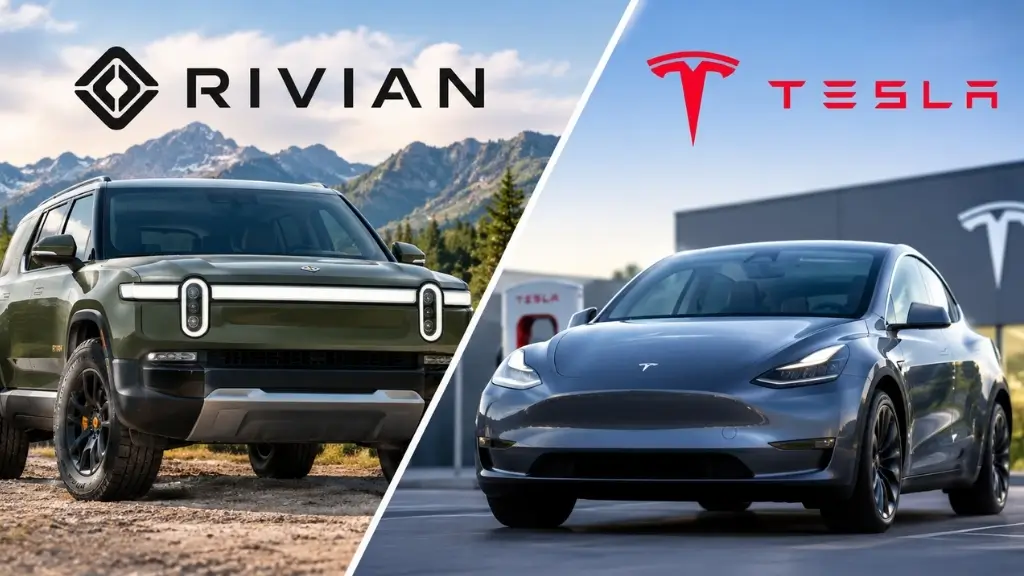
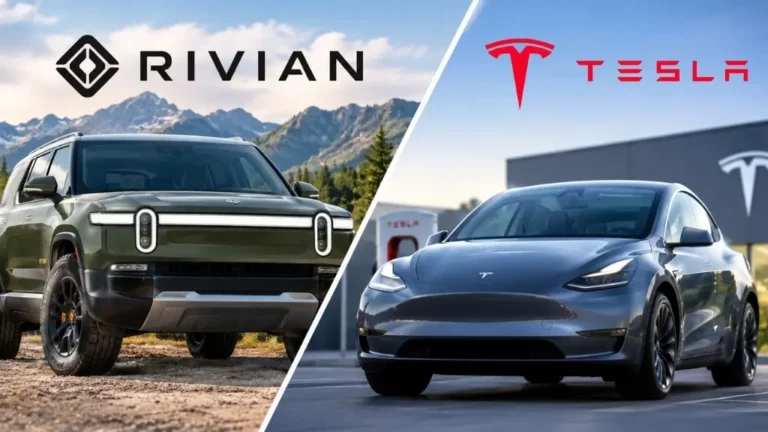
- The R2 positions Rivian to compete more directly with mainstream electric SUVs, including the Tesla Model Y.
- Expanding commercial partnerships and a broader product lineup could strengthen Rivian’s long-term market position.
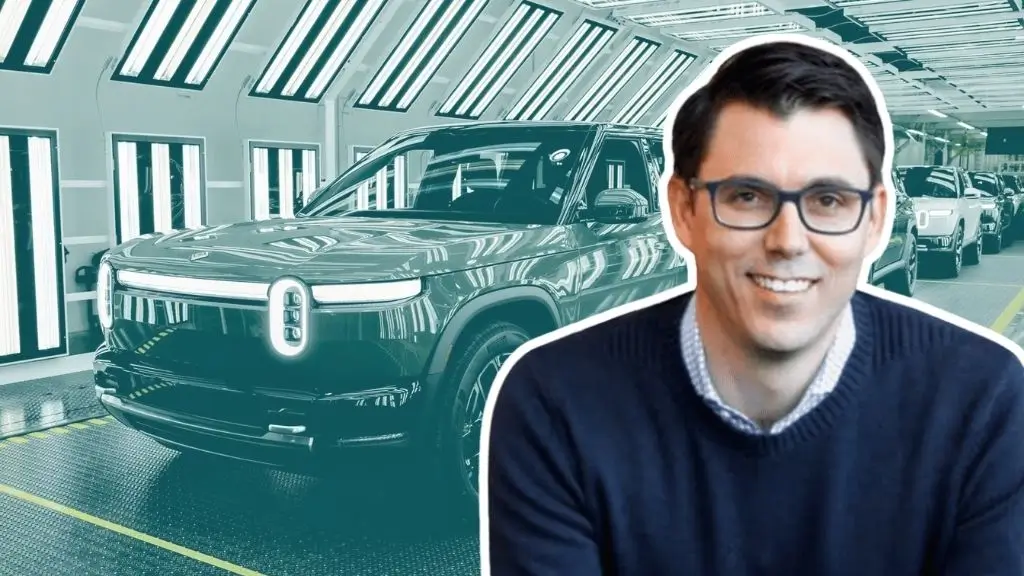
Rivian raised its 2026 vehicle delivery forecast after stronger-than-expected second-quarter (Q2) results, citing demand for its R1 lineup, commercial delivery vans and the newly launched R2 SUV.
The EV maker now expects to deliver between 65,000 and 70,000 vehicles, up from its previous forecast of 62,000 to 67,000 deliveries. The updated outlook also exceeds Wall Street’s consensus estimate of roughly 63,100 vehicles. Rivian expects the smaller, lower-priced R2 to help drive sales, despite lingering affordability concerns following last year’s expiration of federal EV tax credits.
Notably, the EV maker said customer deliveries of the R2 began in June. The smaller SUV is set to compete with Tesla’s Model Y in the midsize electric SUV segment.
Q2 performance
According to the EV maker, it delivered 12,194 vehicles in Q2, a 14% increase from the year prior.
Deliveries also exceeded analyst expectations of approximately 10,500 units, driven by robust demand for the R1 SUV, R1T pickup, and commercial delivery vans, as well as the recent launch of the R2.
Currently, Rivian is planning additional R2 variants, which include:
- A premium model priced at $53,990 later this year.
- A rear-wheel-drive version expected early next year.
- A $45,000 entry-level model targeted for late 2027.
- A potential performance model, which the company is also developing.
Commercial opportunities
Rivian’s growth strategy goes beyond just retail customers. In March, Uber announced plans to invest up to $1.25 billion in Rivian as part of an agreement to deploy 10,000 autonomous R2 robotaxis starting in 2028.