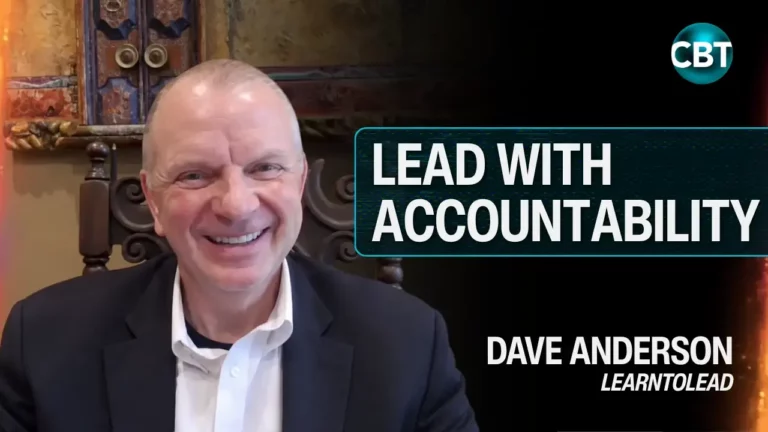
Automakers are pushing for sweeping changes to way vehicles are sold, but how do franchisees factor into their plans? On this episode of Inside Automotive, host Jim Fitzpatrick is joined by long-time friend of CBT News Tim Jackson, president and CEO of the Colorado Automobile Dealers Association (CADA) as well as one of the industry’s most influential leaders, to discuss the role dealers are playing in the transforming car business.
Electric vehicles are one of many sticking points between manufacturers and dealers. Automakers and politicians have increasingly pushed for widespread adoption, but as many dealers know, the market has yet to budge. In his home state of Colorado, Jackson notes that the governor’s first executive order, placed in 2019, commanded the auto industry to put 940,000 EVs on the road by 2030. Four years into this directive, the state has yet to pass even 100,000 units. He explains that while the public is certainly interested in the technology, the limitations of zero-emission cars, such as long charging times, poor performance in cold weather and minimal driving ranges, lead many to stick with the standard ICE. To fix this issue, Jackson believes that “The industry will have to get the charging network out there, and the cars that can take the fast chargers.”
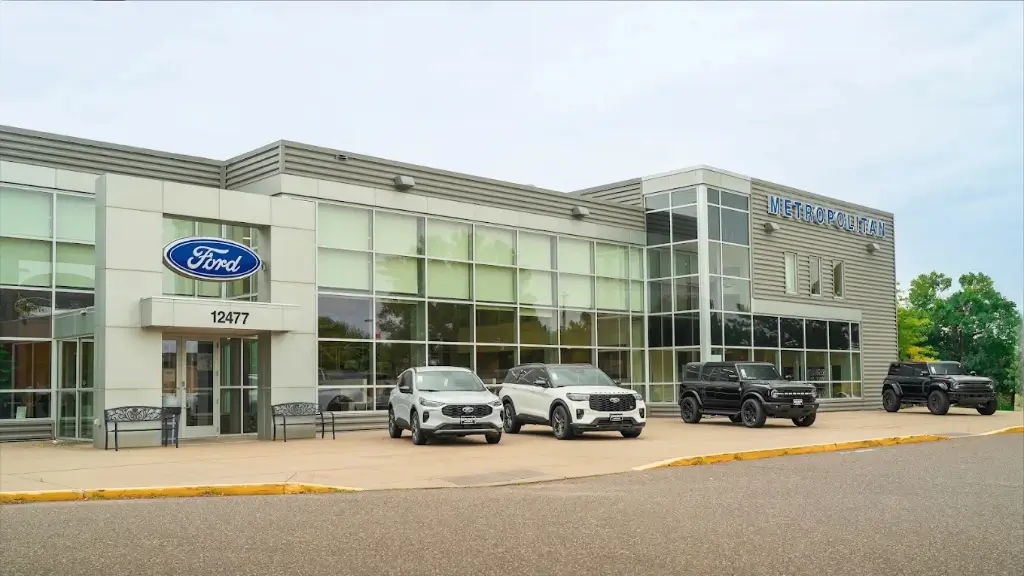
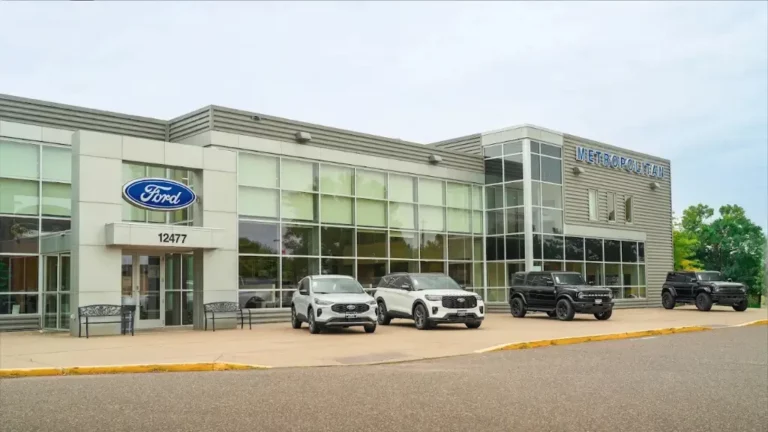
The differing opinions between OEMs and dealers have, at times, led to intense disagreements. One of these instances occurred last year when Ford unveiled its electrification program to franchisees. Under the original policy, dealers were required to invest up to $1.5 million into the automaker’s EV efforts and cover costs for charging installations at their stores. Those who failed to fulfill these requests would be blocked from obtaining or selling the brand’s electric models. While some dealers found the policies too demanding, Jackson believes the program was necessary to prepare the industry for change. He notes that many of his associates shared his viewpoint. “We have small-town stores that are going in at the highest level,” he comments. “One of them told me, ‘Tim I’m all in. I’m going in. I’m making that investment. I hope that some of my competitors…don’t make it.'”
Another point of contention between OEMs and dealers is the industry’s traditional agency model, which places franchisees as the middle-man between manufacturer and customer. Some EV brands, such as Tesla and Rivian, have introduced direct-sales models which completely remove third-party dealerships from the equation, and even legacy automakers are pushing against state franchise laws that protect retailers from corporate competition. Jackson believes that dealers are right to worry about these challenges to their place in the car business. “New car dealers today do so much better a job today than they did…25 years ago,” he remarks. “The new cars that they sell today are so much better…So the products are better, the sales process is better, that it continually ratchets up to where we have to find ways to…keep raising the bar.”
Jackson firmly believes that the dealer model is still the best way to sell cars since retailers have spent decades refining the process and, as competitors, are more motivated to improve than a corporate-owned storefront. However, he notes that dealers still share the blame for the franchise system’s current weakness. Businesses that used the COVID pandemic to sell vehicles over MSRP committed a disservice to their fellow retailers and helped turn both consumers and car brands against the agency model. “There’s a lot of ways to raise revenue…but this is not the best way to do it.”
That being said, the vast majority of vehicles on the road are sold at or under MSRP, the latter of which would never happen under a direct-sales model. “Tesla has never sold a car over MSRP, arguably, but they’ve never sold a car under MSRP,” Jackson explains. “And still today…well over 90% of the cars on the road today at or under MSRP, most of them under.” Dealerships are not only better for the industry but better for consumers as well, but keeping the agency model intact will require storeowners to prioritize ethical pricing and customer service above all else. Above all, both sides of the industry will need to continue working together to solve the problems facing them.