TSLA378.065-5.655%
GM81.511-0.6192%
F11.210-0.07%
RIVN11.405-0.395%
CYD21.460-0.39%
HMC33.460-0.22%
TM211.4451.305%
CVNA69.160-2.62%
PAG212.205-0.225%
LAD289.870-6.11%
AN176.710-1.05%
GPI259.130-3.3001%
ABG198.6250.995%
SAH59.690-0.89%
TSLA378.065-5.655%
GM81.511-0.6192%
F11.210-0.07%
RIVN11.405-0.395%
CYD21.460-0.39%
HMC33.460-0.22%
TM211.4451.305%
CVNA69.160-2.62%
PAG212.205-0.225%
LAD289.870-6.11%
AN176.710-1.05%
GPI259.130-3.3001%
ABG198.6250.995%
SAH59.690-0.89%
TSLA378.065-5.655%
GM81.511-0.6192%
F11.210-0.07%
RIVN11.405-0.395%
CYD21.460-0.39%
HMC33.460-0.22%
TM211.4451.305%
CVNA69.160-2.62%
PAG212.205-0.225%
LAD289.870-6.11%
AN176.710-1.05%
GPI259.130-3.3001%
ABG198.6250.995%
SAH59.690-0.89%

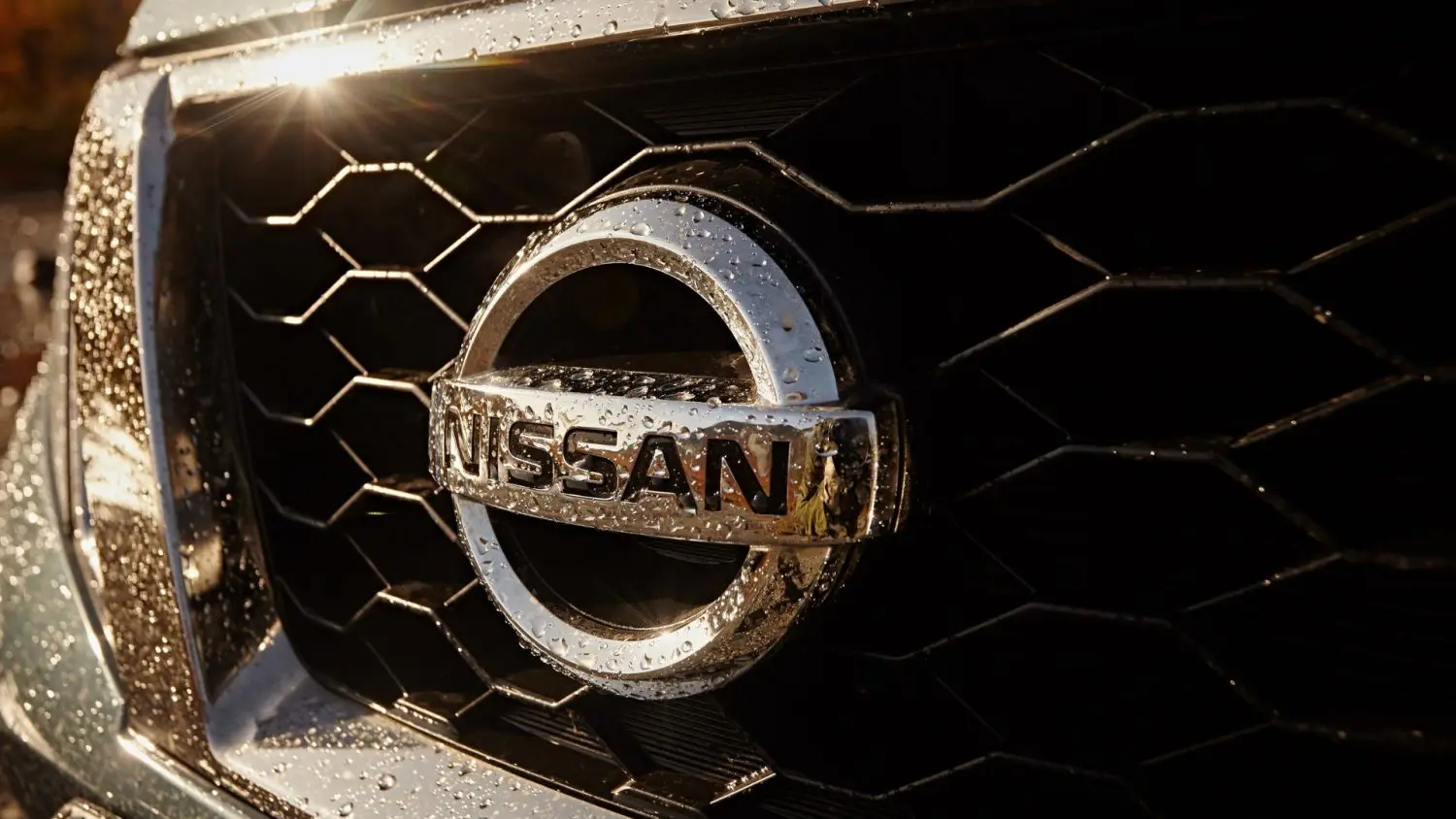
Nissan stands firm as Chinese automakers expand in Brazil and Mexico

Competition from Chinese automakers is increasing in Brazil and Mexico as they aim to address excess production capacity in their home country.

Nissan

On the Dash:

  • Nissan welcomes Chinese competition in Latin America and plans to compete on product and service.
  • Brazil and Mexico have raised tariffs as Chinese brands expand through aggressive pricing.
  • Nissan has no plans to partner with Chinese automakers in the region.

Nissan is embracing growing competition from Chinese automakers in Latin America, even as governments in the region move to curb a surge of low-cost imports.

Speaking in Sao Paulo, Christian Meunier, chairman of Nissan Americas, said increased competition from Chinese brands expanding into markets such as Brazil and Mexico will ultimately strengthen the industry and benefit consumers. He indicated that Nissan’s strategy is to compete on product quality, customer experience and service rather than retreat in the face of aggressive pricing.

Sign up for CBT News’ daily newsletter and get the latest industry stories delivered straight to your inbox.

Chinese electric vehicle manufacturers have been rapidly growing in Latin America as they look to offset excess production capacity at home. Their expansion, fueled in part by competitive pricing, has led Brazil and Mexico, the region’s two largest auto markets, to raise tariffs to limit the impact of rising imports.

In response to higher trade barriers, some Chinese automakers have begun establishing local production to preserve and grow market share. Those efforts, however, have encountered challenges as established global brands defend their positions through existing dealer networks and service infrastructure.

Meunier acknowledged that Chinese brands have benefited from government support in their home market, but he emphasized that long-term success in Latin America requires more than price competitiveness. Robust dealer operations, reliable after-sales service, and sustained brand investment are critical factors for durability in the region. He suggested that while some new entrants may gain traction, not all will remain viable over time.

Unlike some competitors, Nissan does not plan to pursue partnerships with Chinese manufacturers in Latin America. Renault has partnered with Geely in Brazil, and Stellantis has reached a production agreement with Leapmotor in Brazil. Nissan intends to rely on its existing footprint and investments.

More from Global Industry News
Canada says US midterms won’t change its trade stance

Canada says U.S. midterms won’t change its trade stance

- November 5, 2026
On the Dash: US-Canada trade talks will not change course after Democrats won Congress, Canada’s trade minister said. Auto tariffs on Canadian-built vehicles remain unresolved after August’s collapsed talks. Dealers...
Ferrari raises its 2026 outlook again after a strong third quarter

Ferrari raises its 2026 outlook again after a strong third quarter

- November 4, 2026
On the Dash: Ferrari raised its 2026 guidance again, citing stronger personalizations and lower currency headwinds. Operating profit rose 12% to 563 million euros while quarterly shipments slipped by 33...
Volvo Cars global fall 16% as China and US demand weakens

Volvo Cars global fall 16% as China and US demand weakens

- November 4, 2026
On the Dash: Volvo Cars global sales fell 16% to 141,656 vehicles from August through October. Weak demand in China and lost EV incentives in the U.S. drove the decline. ...
Audi and Mercedes-Benz workers walk out in Germany

Audi and Mercedes-Benz workers walk out in Germany

- November 3, 2026
On the Dash: German metalworker strikes reached Audi and Mercedes-Benz, with actions planned at more than 2,000 workplaces. IG Metall wants a 5% raise over 12 months, while employers offer...

Add us as a preferred source on Google

CBT News
Privacy Overview

This website uses cookies so that we can provide you with the best user experience possible. Cookie information is stored in your browser and performs functions such as recognising you when you return to our website and helping our team to understand which sections of the website you find most interesting and useful.