
TSLA379.740-10.48%
GM83.670-2.33%
F11.577-0.3331%
RIVN12.100-0.08%
CYD21.330-0.41%
HMC34.3000%
TM213.8501.42%
CVNA70.750-1.62%
PAG212.0000%
LAD292.780-3.74%
AN178.0700.32%
GPI260.6100.4%
ABG197.2000.03%
SAH58.130-1.35%
TSLA379.740-10.48%
GM83.670-2.33%
F11.577-0.3331%
RIVN12.100-0.08%
CYD21.330-0.41%
HMC34.3000%
TM213.8501.42%
CVNA70.750-1.62%
PAG212.0000%
LAD292.780-3.74%
AN178.0700.32%
GPI260.6100.4%
ABG197.2000.03%
SAH58.130-1.35%
TSLA379.740-10.48%
GM83.670-2.33%
F11.577-0.3331%
RIVN12.100-0.08%
CYD21.330-0.41%
HMC34.3000%
TM213.8501.42%
CVNA70.750-1.62%
PAG212.0000%
LAD292.780-3.74%
AN178.0700.32%
GPI260.6100.4%
ABG197.2000.03%
SAH58.130-1.35%

NHTSA seeks to recall 67 million faulty airbag inflators, supplier refuses

The NHTSA claimed the inflators pose an unreasonable risk of death or injury. 

The National Highway of Traffic Safety Administration, NHTSA, has recalled 67 million airbag inflators due to safety defects. In addition, documents revealed the auto supplier ARC Automotive rejected the U.S. regulator’s request to pursue the recall.

ARC airbag inflators are located in Stellantis, General Motors, BMW, Hyundai, and Kia vehicles. 

The GM recall covers 994,763 Buick Enclave, Chevrolet Traverse, and GMC Acadia vehicles from the 2014 through 2017 model years. GM revealed in March it learned of a report that a 2017 Chevrolet Traverse was in a crash and the front-driver airbag inflator ruptured during deployment. 

The NHTSA claimed the inflators pose an unreasonable risk of death or injury. 

The 67 million inflators were manufactured for the U.S. market on several production lines at various locations, and they were utilized in dozens of models by 12 automakers. According to ARC, none of these companies have determined that a widespread fault affects this population.

NHTSA noted that ARC completed the installation of equipment intended to detect excessive weld slag or other debris on the production lines of inflators in January 2018. The NHTSA stated that it is not aware of any problems with ARC inflators made since then. According to ARC, weld slag has not been confirmed as the underlying cause of the ruptures.

Over the past decade, more than 67 million Takata airbag inflators in the U.S. and more than 100 million worldwide have been recalled, making this the most prominent vehicle safety recall in history.

Takata airbag inflators, which have the potential to burst and release metal shrapnel inside cars and trucks, have been linked to more than 30 deaths worldwide, including 24 U.S. deaths and hundreds of injuries since 2009. The most recent death occurred in July 2022 in a 2010 Chrysler 300.


Further Reading

More from Articles
Tesla wants your car keys – and you might not get them back

Tesla wants your car keys – and you might not get them back

- November 16, 2026
Elon Musk wants to change the way Americans think about driving, and his latest move should get every car owner’s attention. Tesla is winding down Cybertruck production at its Texas...
Used-vehicle sales pace slows as inventory and prices ease in October

Used-vehicle sales pace slows as inventory and prices ease in October

- November 16, 2026
On the Dash: Used-vehicle inventory totaled 2.19 million in October, down 0.9% from September but up 0.1% year over year. Retail used-vehicle sales pace fell 2.5% month over month and...
Scout Motors

Scout Motors tops 212,000 reservations for upcoming trucks and SUVs

- November 16, 2026
On the Dash: Scout Motors has secured about 212,000 reservations for its Terra pickup and Traveler SUV, and CEO Scott Keogh said the total could exceed 400,000 before customer production...
NHTSA investigating more than 1M Honda vehicles over stop-start failures

NHTSA investigating more than 1M Honda vehicles over stop-start failures

- November 16, 2026
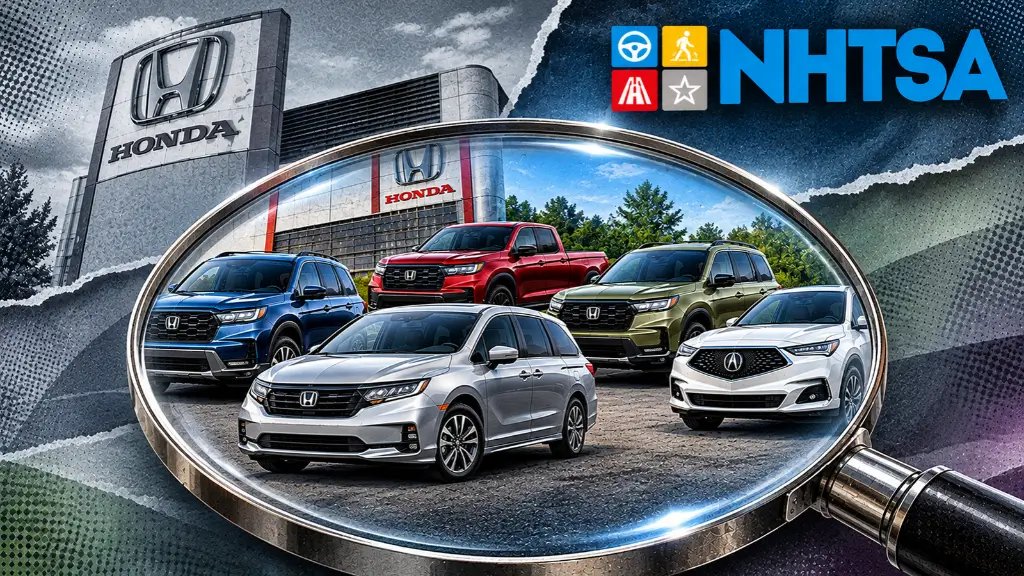
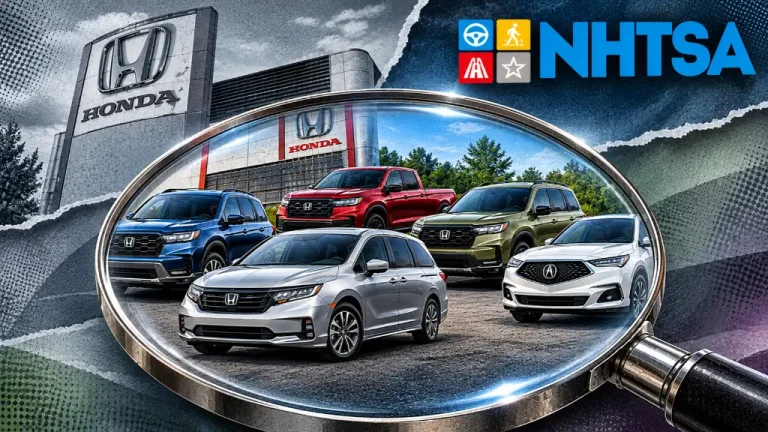
On the Dash: Honda stop-start failures are the focus of a new NHTSA engineering analysis covering 1,033,632 vehicles. The analysis covers 2024-2026 Odyssey, Passport, Ridgeline, Pilot and Acura MDX models...

Add us as a preferred source on Google

CBT News
Privacy Overview

This website uses cookies so that we can provide you with the best user experience possible. Cookie information is stored in your browser and performs functions such as recognising you when you return to our website and helping our team to understand which sections of the website you find most interesting and useful.