On the Dash:
- NHTSA reopened a recall query into nearly 600,000 GM vehicles after receiving complaints that a prior 6.2L V8 recall fix may not have prevented engine failures.
- The investigation focuses on whether GM’s 2025 recall remedy adequately addressed loss-of-propulsion risks tied to internal engine components.
- Regulators have not ordered a new recall, but the review could lead to additional corrective actions if safety concerns persist.
On Monday, the National Highway Traffic Safety Administration (NHTSA) opened a new recall query into roughly 597,571 General Motors trucks and SUVs equipped with a L87 6.2L V8 gas engine, citing reports of engine failures after recall repairs were completed.
The federal agency said it received 36 owner complaints alleging loss of propulsion even after vehicles received a prior recall remedy. The affected vehicles were previously covered under a 2025 recall addressing potential engine damage tied to internal components.
The vehicles under review were already covered by a GM recall issued in April 2025, which addressed the risk of engine damage linked to internal components that could result in sudden loss of power while driving. NHTSA said the latest action is intended to determine whether that remedy adequately resolved the safety issue.
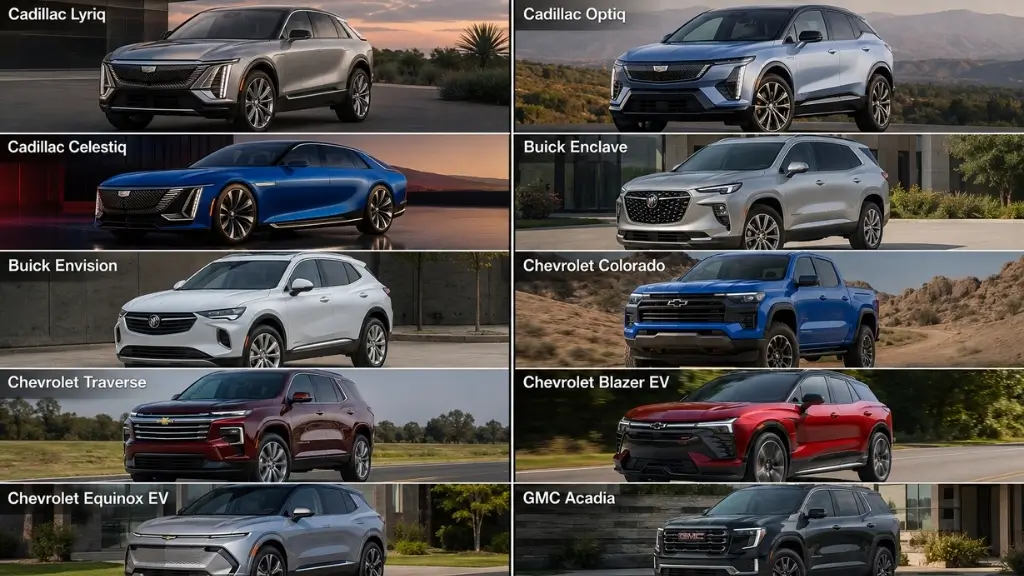
Affected models include those equipped with the L87 V8, such as:
- 2021-2024 Chevrolet Silverado 1500
- 2021-2024 Chevrolet Tahoe
- 2021-2024 Chevrolet Suburban
- 2021-2024 GMC Sierra
- 2021-2024 GMC Yukon
- 2021-2024 Cadillac Escalade
- 2021-2024 Escalade ESV
In its original recall filing, GM identified potential defects involving connecting rod and crankshaft components that could lead to engine damage or failure. The automaker also noted that warning signs could include unusual engine noises, check-engine alerts, hesitation, abnormal shifting, reduced propulsion, or a no-start condition.
Under the original recall plan, dealers were instructed to inspect affected vehicles. For those that passed inspection, the remedy included switching to a higher-viscosity engine oil and installing a new oil fill cap, an oil filter, and an updated owner’s manual insert.
NHTSA said the current query will assess whether those measures sufficiently addressed the underlying defect or if additional corrective action is necessary. The agency has not yet ordered a new recall, but a query can lead to expanded remedies or further enforcement steps if safety risks remain.
Owners of vehicles equipped with the L87 V8 are encouraged to check their vehicle identification numbers through NHTSA’s recall database and retain records of any recall-related service already performed, particularly as the investigation continues.