TSLA378.9702.67%
GM77.430-0.62%
F12.5100.13%
RIVN16.8210.3014%
CYD41.825-0.415%
HMC24.3450.005%
TM192.3850.065%
CVNA406.720-2.36%
PAG162.2201.8%
LAD277.4852.565%
AN204.9901.92%
GPI341.5200.12999%
ABG200.460-2.6%
SAH72.0350.195%
TSLA378.9702.67%
GM77.430-0.62%
F12.5100.13%
RIVN16.8210.3014%
CYD41.825-0.415%
HMC24.3450.005%
TM192.3850.065%
CVNA406.720-2.36%
PAG162.2201.8%
LAD277.4852.565%
AN204.9901.92%
GPI341.5200.12999%
ABG200.460-2.6%
SAH72.0350.195%
TSLA378.9702.67%
GM77.430-0.62%
F12.5100.13%
RIVN16.8210.3014%
CYD41.825-0.415%
HMC24.3450.005%
TM192.3850.065%
CVNA406.720-2.36%
PAG162.2201.8%
LAD277.4852.565%
AN204.9901.92%
GPI341.5200.12999%
ABG200.460-2.6%
SAH72.0350.195%

Tesla, Volvo first to benefit from Canada-China EV deal

Lower tariffs and faster certification are expected to favor automakers that are already approved for North American sales.


Canada cuts EV tariffs on China-made vehicles, positioning Tesla, Volvo, and Polestar as early winners while U.S. restrictions remain.

On the Dash:

  • Canada will allow up to 49,000 China-made EVs annually at a 6.1 percent tariff, replacing a previous 100 percent duty.
  • Tesla, Volvo, and Polestar are positioned to benefit first because they already meet North American regulatory requirements.
  • The move deepens the policy divide with the U.S., which continues to block Chinese EV imports with steep tariffs.

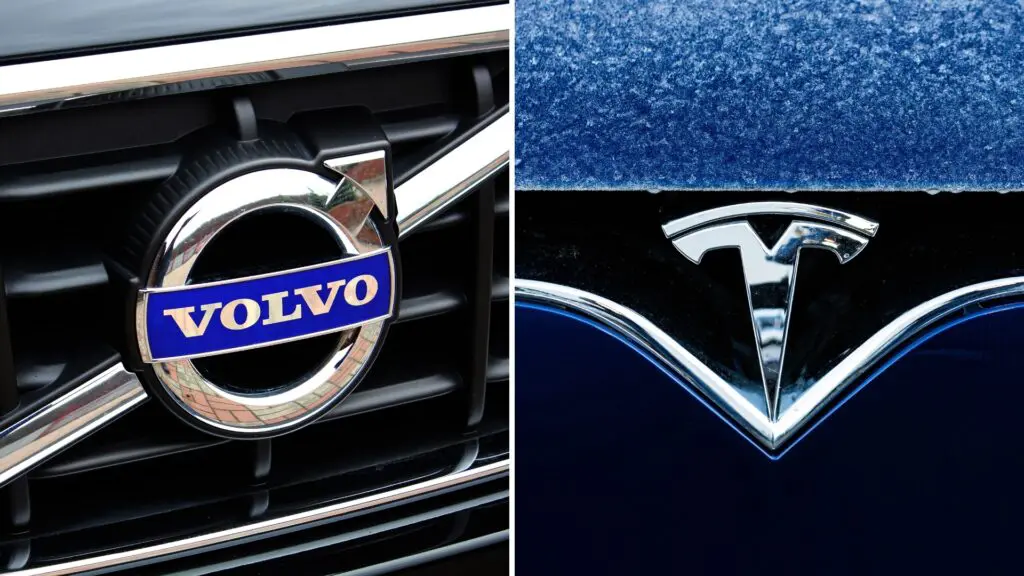
Tesla and Geely-controlled brands Volvo and Polestar are expected to be the first automakers to benefit from Canada’s decision to sharply reduce tariffs on electric vehicles made in China, a move that could reshape EV competition north of the U.S. border.

Under an agreement announced last week, Canada will allow up to 49,000 Chinese-made EVs to enter the country annually at a 6.1% tariff, replacing the previous 100% duty. The deal was reached alongside a separate concession involving Canadian canola exports. Canadian officials have indicated the quota could eventually rise to 70,000 vehicles within five years.

Sign up for CBT News’ daily newsletter and get the latest industry stories delivered straight to your inbox.

While the policy is designed to encourage longer-term investment from Chinese automakers, the immediate beneficiaries are manufacturers that already meet North American regulatory standards. That includes Tesla, which previously imported large volumes of vehicles from its Shanghai plant into Canada, as well as Volvo and Polestar, both owned by Zhejiang Geely Holding Group.

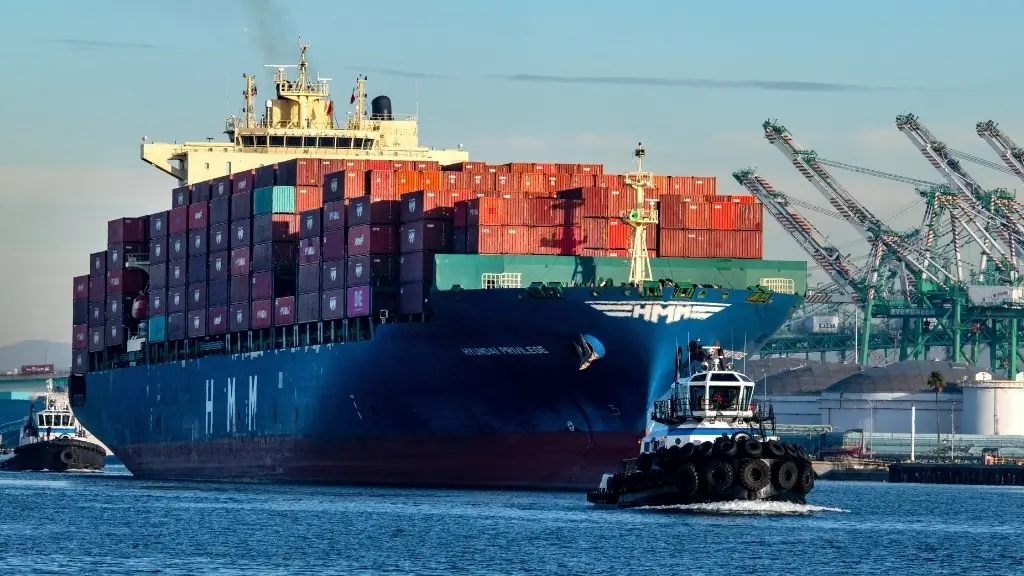
Tesla imported more than 44,000 vehicles into Canada in 2023 before the tariff hike forced the automaker to halt shipments from China in 2024. Since then, Tesla has relied on U.S. and Berlin production to supply the Canadian market. Analysts say the new agreement could allow Tesla to resume exports from Shanghai relatively quickly, particularly for models such as the Model 3, which is primarily produced in China.

Geely brands also stand to gain. Volvo and Polestar had previously shipped China-built vehicles to Canada and already have established sales and service networks in the country. Transport Canada is expected to accelerate certification for newly approved Chinese EVs, with approval timelines shortened to roughly eight weeks, according to officials familiar with the agreement.

At the luxury end of the market, Geely-owned Lotus said prices for its China-built Eletre SUV could fall by about 50% under the new tariff structure. The vehicle currently starts at about $225,600 ($313,500 CAD).

Chinese EV leader BYD currently has minimal passenger vehicle sales in Canada but could benefit from the deal over time. Half of the import quota will be reserved for vehicles priced at $25,189 or less ($35,000 CAD) by 2030, signaling Ottawa’s interest in expanding lower-cost EV options for consumers.

The agreement highlights a growing divergence between Canada and the United States on trade policy. The Trump administration continues to enforce 100% tariffs on Chinese EVs, effectively blocking them from the U.S. market. While Canada’s move opens the door to increased Chinese EV presence north of the border, U.S. officials have criticized the decision, citing concerns over state-backed overcapacity and unfair competition.

($1 = 1.3895 Canadian dollars)

Read More
 
More from Global Industry News
Geely

Ford and Geely explore U.S. technology collaboration as talks shift focus to Europe

- April 27, 2026
On the Dash: Ford and Geely explored a U.S. technology partnership, but talks have stalled. Both companies are prioritizing a European deal focused on shared production and technology. Regulatory barriers...
Chinese automakers eye U.S. market as global dominance grows 

Chinese automakers eye U.S. market as global dominance grows 

- April 27, 2026
While Chinese automakers are quickly entering global markets, the U.S. remains the only major country without direct sales. Despite existing regulatory and political hurdles, Michael Dunne, CEO of Dunne Insights, predicts...
Stellantis to prioritize four core brands in turnaround strategy, sources say The automaker plans to shift funding toward Jeep, Ram, Peugeot, and Fiat while maintaining its broader portfolio. On the Dash: Expect increased product investment and marketing support for Jeep, Ram, Peugeot and Fiat. Regional and niche brands may see reduced volume but more targeted positioning and shared platforms. Platform-sharing and rebadging strategies could affect inventory mix and model differentiation. Stellantis will concentrate most of its investment on four core brands as CEO Antonio Filosa pushes a turnaround strategy set for release May 21, according to a Reuters exclusive. The automaker has identified Jeep, Ram, Peugeot, and Fiat as its priority brands. It will allocate a “material increase” in funding to them, driven by their stronger global sales and profitability, marking a shift away from the company’s previous approach of distributing investment more evenly across its portfolio. Sign up for CBT News’ daily newsletter and get the latest industry stories delivered straight to your inbox. Stellantis will retain its 14-brand lineup, the largest in the industry, and will not shut down underperforming marques. Instead, the company will reposition secondary brands such as Citroën, Opel and Alfa Romeo to operate in regional or niche roles. These brands will rely on shared platforms and technology developed by the core brands while maintaining distinct styling and market identity. The strategy comes as Stellantis works to regain market share in the United States and Europe while facing growing competition from Chinese EV makers. The company earlier reported a 22.2 billion-euro charge tied to scaling back its EV plans, underscoring the urgency of the strategic shift. Its market valuation has also declined significantly in recent months. To support the transition, Stellantis will expand its use of shared “multi-energy” platforms that support electric, hybrid and internal combustion (ICE) vehicles. Additionally, the company is evaluating rebadging strategies and joint development programs, including collaborations with its Chinese partner, Leapmotor. Executives and investors backing the plan expect the increased focus on core brands to improve efficiency and strengthen financial performance. Analysts say Stellantis could still consider further consolidation if results fall short of expectations. Meta description (140 characters) Stellantis to boost funding for Jeep, Ram, Peugeot and Fiat, shifting strategy while maintaining its 14-brand global portfolio.

Stellantis to prioritize four core brands in turnaround strategy, sources say

- April 24, 2026
On the Dash: Expect increased product investment and marketing support for Jeep, Ram, Peugeot and Fiat. Regional and niche brands may see reduced volume but more targeted positioning and shared...
Tariff pressure drives urgency in 2026 USMCA negotiations

Tariff pressure drives urgency in 2026 USMCA negotiations

- April 22, 2026
On the Dash: Trade negotiations could directly impact vehicle pricing, supply chains and inventory flow across North America Continued tariff pressure may drive higher costs for parts, vehicles and dealership...
CBT News
Privacy Overview

This website uses cookies so that we can provide you with the best user experience possible. Cookie information is stored in your browser and performs functions such as recognising you when you return to our website and helping our team to understand which sections of the website you find most interesting and useful.