On the Dash:
- NHTSA has opened a special crash investigation involving a Tesla Model 3 and driver-assistance technology claims.
- The incident highlights ongoing regulatory scrutiny of advanced driver-assistance systems and vehicle automation.
- Investigators have not determined whether Tesla’s driver-assistance system was active at the time of the crash.
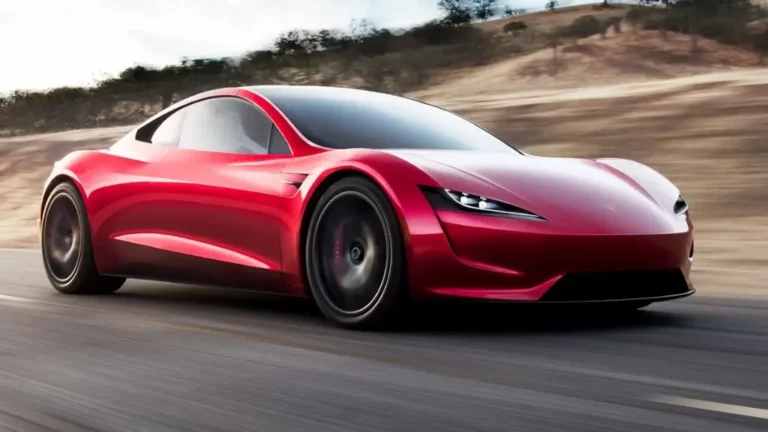
Federal safety regulators have launched an investigation into a fatal crash involving a Tesla vehicle after a Model 3 left the roadway and slammed into a home near Houston, killing a woman inside.
The National Highway Traffic Safety Administration (NHTSA) confirmed Monday that it opened a special crash investigation into the June 19 incident. However, the agency did not provide additional details.
According to the Harris County Sheriff’s Office, the driver told authorities he was using an automated driver-assistance system when the Tesla Model 3 left the roadway and crashed into a brick home at a high rate of speed Friday evening. Video footage captured by a doorbell camera quickly circulated online, drawing widespread attention to the crash.
Tesla’s head of AI, Ashok Elluswamy, later disputed the driver’s account in a post on X, stating that Tesla’s driver-assistance system was not engaged at the time of the crash. However, he did not provide evidence to support the claim.
Federal review
The investigation marks the latest federal review involving Tesla’s advanced driver-assistance technology. NHTSA’s special crash investigation program examines serious crashes involving emerging vehicle technologies and automated driving systems to determine whether safety concerns warrant further action.
It’s important to note that investigators have not said whether any Tesla driver-assistance features were active at the time of the crash. The agency has also not provided a timeline for completing its review.
Although the crash adds to ongoing scrutiny of automated driving and driver-assistance technologies, regulators continue evaluating their performance, limitations, and safety risks in real-world conditions.