On the Dash:
- Global EV sales hit record highs in 50 countries as fuel price swings pushed shoppers away from gas.
- U.S. EV sales reached just 5.8% in Q2, with hybrids picking up the slack instead.
- China’s unsold EV exports top 1 million units, an oversupply that could pressure global pricing.
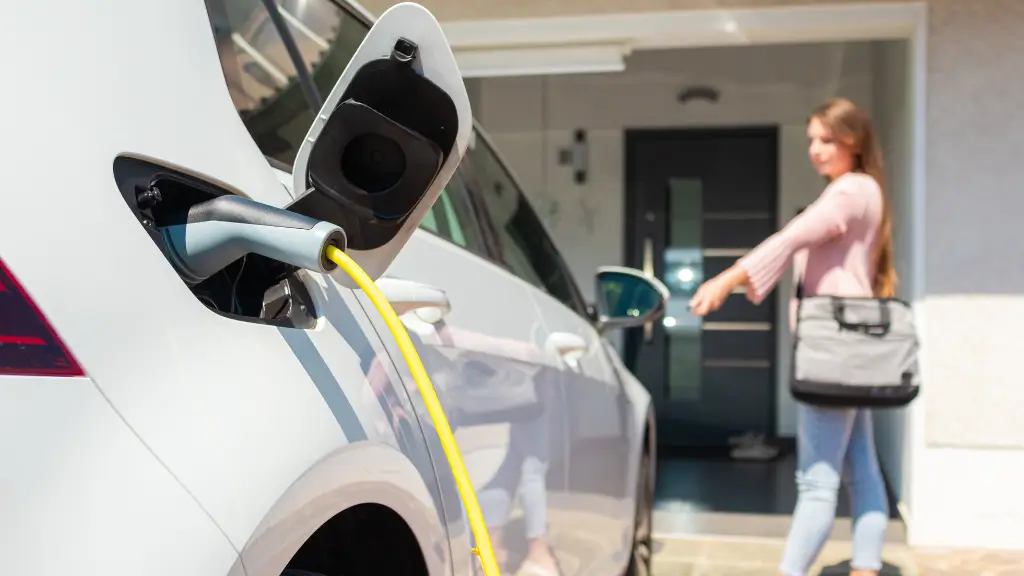
Global EV sales hit record highs in 50 countries during the second quarter of 2026, but the U.S. market continues to lag far behind, according to a new International Energy Agency (IEA) report cited by Kelley Blue Book.
The IEA projects EVs will account for 29% of new vehicle sales worldwide in 2026. Record sales landed in markets including Australia, India, Brazil, South Korea and Vietnam, with more than 90 countries reporting year-over-year EV growth. The agency pointed to fuel price volatility from the Iran war as a driver of the shift away from gas-powered vehicles.
U.S. EV sales told a different story. EVs made up just 5.8% of new car sales in the second quarter, according to Cox Automotive, Kelley Blue Book’s parent company. That’s up more than 14% from the prior quarter, but shoppers increasingly turned to hybrids instead of full EVs during the same stretch.
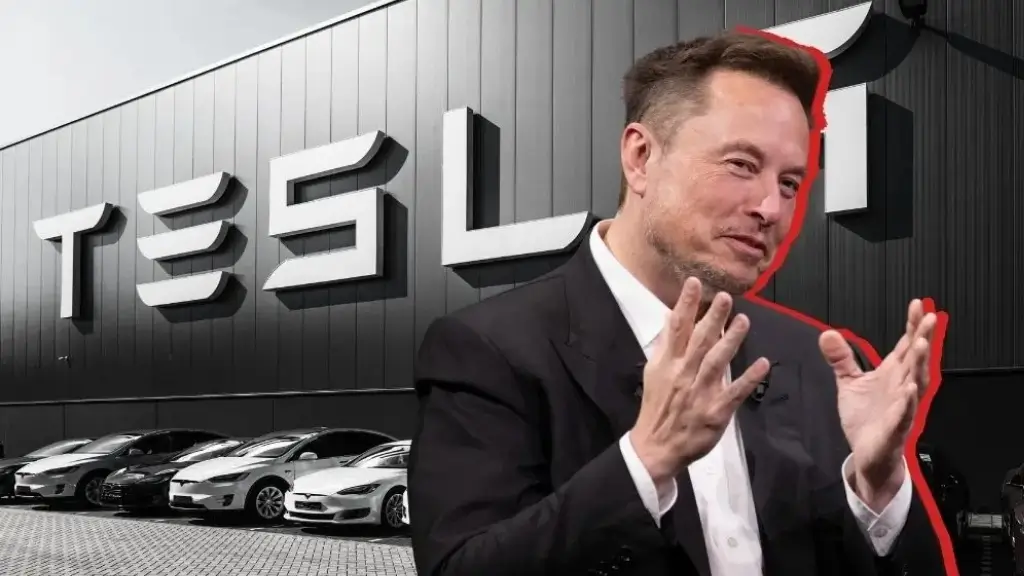
The Tesla Model Y and Model 3 continue to account for more than half of U.S. EV sales. Other automakers are still working through tariff pressures as they roll out new models. Toyota and Subaru launched six new EV models over the past year, though Toyota pushed back its Highlander EV to 2027 as hybrid demand surged, shifting production toward the hybrid version built in Indiana.
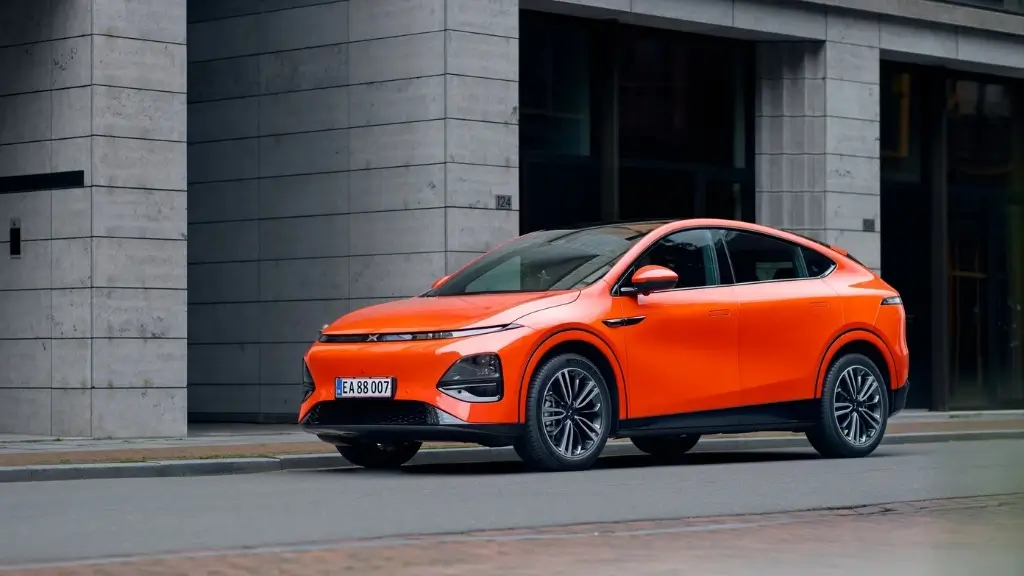
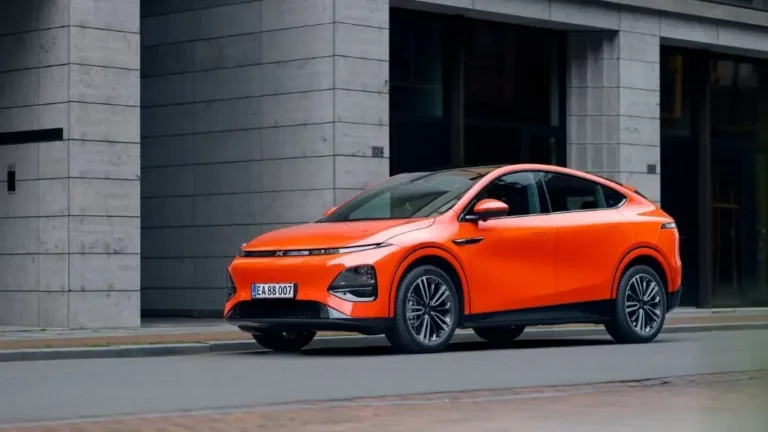
China remains the biggest wild card for dealers watching global EV pricing. The IEA expects EVs to hit a record 60% of new car sales there in 2026, even as domestic demand stalls for the first time in a decade. China exported nearly as many EVs in the first half of 2026 as it did in all of 2025, and the IEA estimates a third of those units remain unsold.
Combined with unsold inventory from earlier months, more than 1 million Chinese-made EVs are sitting on the global market, a supply glut that could pressure pricing depending on how tariffs shake out in individual markets.