On the Dash:
- Volkswagen is preparing additional capacity and cost reductions as it works to improve profitability and competitiveness in Europe.
- A planned 500,000-unit capacity reduction could affect future production volumes and model availability across the company’s European network.
- Rising competition from Chinese automakers, particularly BYD, is adding pressure on Volkswagen to improve pricing, costs and product competitiveness.
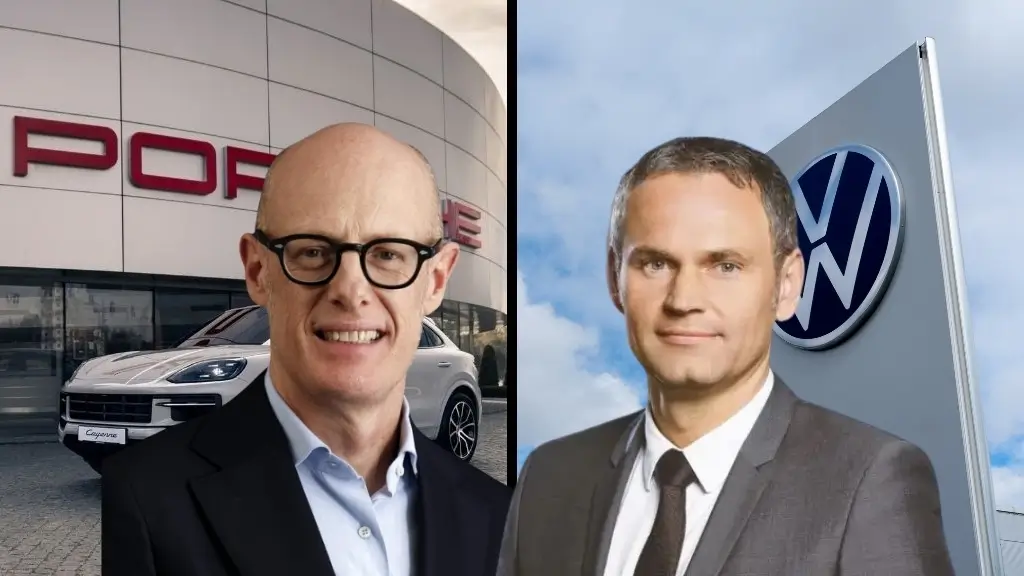
Porsche Automobil Holding SE urged Volkswagen Friday to quickly implement cost reductions and address excess capacity. Johannes Lattwein, the Porsche SE Board Member responsible for finance and IT, said the holding company backs Volkswagen’s management and believes “every option” must be considered to improve competitiveness.
After announcing the company’s first half-year financial results, Porsche SE Chairman Hans Dieter Pötsch said Volkswagen is at a “historic crossroads” and warned that delaying decisions could worsen the company’s challenges.
The urgency isn’t abstract for Porsche as the company reported a €2.22 billion after-tax loss for the first half of the year, and declining profits at both Volkswagen and Porsche AG have put pressure on dividend payments the Porsche-Piëch family relies on. In response, Porsche SE is seeking to diversify its investments beyond the automotive sector, exploring opportunities in defense, aerospace, and drone companies.
VW’s future outlook
While CEO Oliver Blume is working to streamline Volkswagen after issues such as software delays, high costs, and declining profitability, the automaker’s operating margin fell to 4.2% in Q2. The automaker has identified a cost disadvantage of around 30% compared to some competitors and said it needs to cut overhead by at least €11 billion.
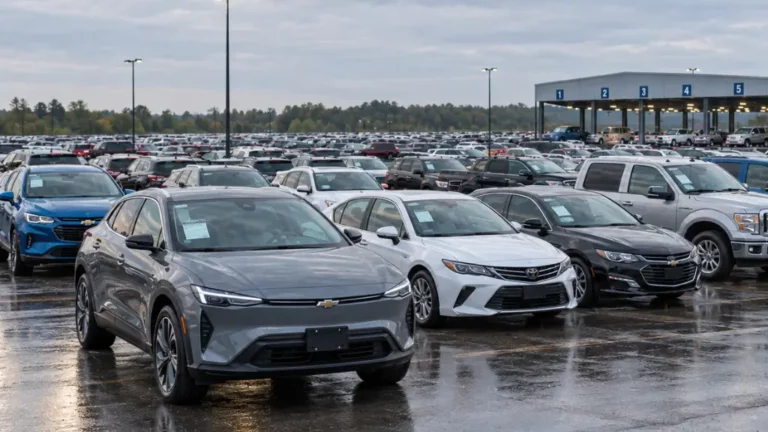
To close that gap, Volkswagen plans to reduce its annual production capacity in Europe by an additional 500,000 vehicles. The company is also targeting reductions in management and administrative positions, and intends to simplify its model lineup and cut back on the number of equipment variants it offers.
Those measures represent a scaled-back version of Blume’s original plan. Previously, he proposed closing four German factories and eliminating as many as 100,000 jobs, but the supervisory board opposed those plans.
Volkswagen’s need to act is driven not just by internal factors but also by external pressures, such as falling sales in China where local automakers are capturing more market share. Moreover, Chinese brands like BYD are intensifying their competition in Europe.