On the Dash:
- Lucid is shifting from rapid growth to financial discipline, signaling that profitability and execution now take priority over production volume.
- The delayed rollout of Lucid’s midsize platform could slow its ability to compete in the growing lower-priced premium EV segment.
- Strong backing from Saudi investors and a $3 billion liquidity position give the EV maker time to execute its turnaround despite continued losses.
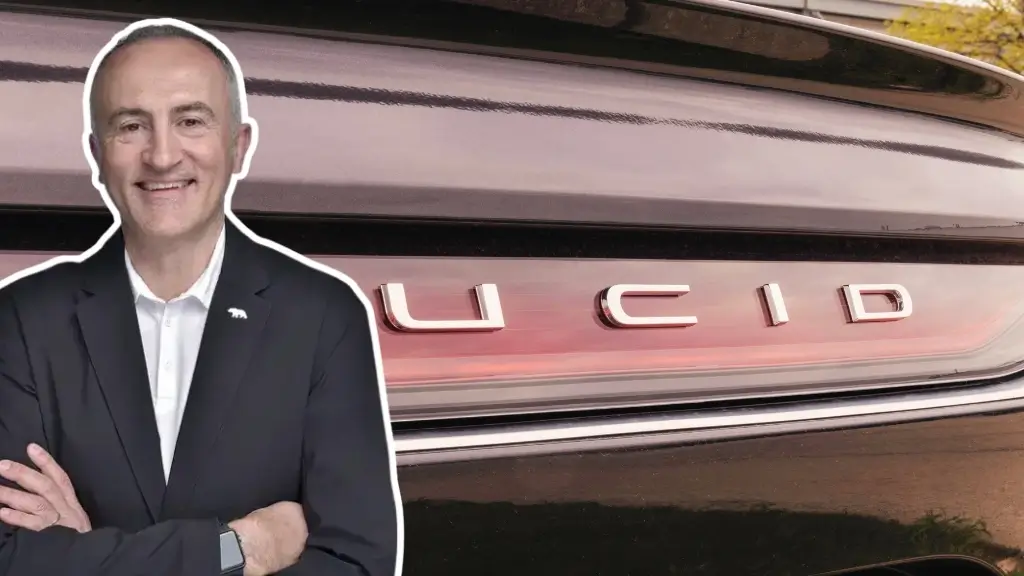
According to EV maker Lucid, it aims to achieve $1.4 billion in cash-flow improvements by 2026. The plan includes reducing capital spending by $500 million and cutting inventory by up to $800 million. CEO Silvio Napoli emphasized the need for better execution and stricter financial discipline to lower cash burn.
In the second quarter, Lucid reported revenue of $405 million, surpassing Wall Street expectations. However, the company posted an adjusted EBITDA loss of $901 million and an adjusted loss of $2.78 per share, both of which were worse than analysts had anticipated. Following the earnings release, shares fell nearly 8% in after-hours trading.
Production outlook
Napoli noted that the production and delivery forecasts for 2026 have weakened and will fall short of Wall Street predictions. While the automaker remains focused on launching its lower-priced midsize EV platform, it’s not rushing the vehicle to market. Lucid is also preparing its production facility in Saudi Arabia and advancing its planned partnership with Uber for a robotaxi service.
Notably, at the end of the quarter, Lucid had $3 billion in total liquidity. The company recently confirmed that it is collaborating with AlixPartners on a turnaround plan, which is expected to conclude by the end of August. Lucid assured stakeholders that it has sufficient liquidity for the coming year and dismissed recent reports suggesting it’s considering bankruptcy.