
On the Dash:
- New-vehicle inventory fell sharply entering 2026, dropping to a 76-day supply after strong December sales.
- Brand performance diverged, with luxury brands tight on supply while several mass-market brands carried excess inventory.
- Pricing pressure remains elevated as tariffs and affordability challenges shape demand heading into the new year.
The U.S. automotive industry began 2026 with tighter new-vehicle inventory following a strong finish to 2025, setting the stage for both opportunity and risk in the months ahead.
New-vehicle inventory totaled about 2.77 million units as of Jan. 1, according to Cox Automotive vAuto data. That figure reflects a 76-day supply and marks a sharp decline from 92 days in early December. Inventory levels are also down 4.8% compared with the same period a year earlier.
The contraction follows a robust December, when sales rose nearly 12% month over month. Accelerated year-end demand reduced dealer stock levels, particularly as automakers cleared remaining 2025 models and began rolling out 2026 vehicles.
Inventory fell nearly 8% from early December to the start of January, representing one of the steepest month over month drawdowns in recent years. The decline appears driven by a mix of strong holiday sales, production discipline, and lingering supply chain constraints.
Luxury brands benefited most from the year-end surge. Lexus began January with just a 28-day supply, while Toyota stood at 33 days. Honda followed at 49 days, well below the industry average. Land Rover also posted a lean 42-day supply, reflecting limited production and steady demand.
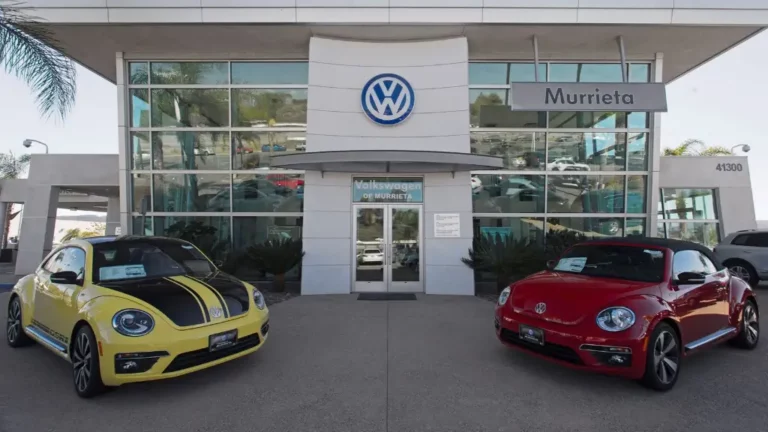
At the other end of the spectrum, several brands entered 2026 with elevated inventory levels. Chrysler exceeded the industry average by twice as much, while Jeep stood at 130 days and Ram at 115 days. Volkswagen reported a 143-day supply, and Lincoln reached 133 days, signaling continued challenges in balancing volume and demand.
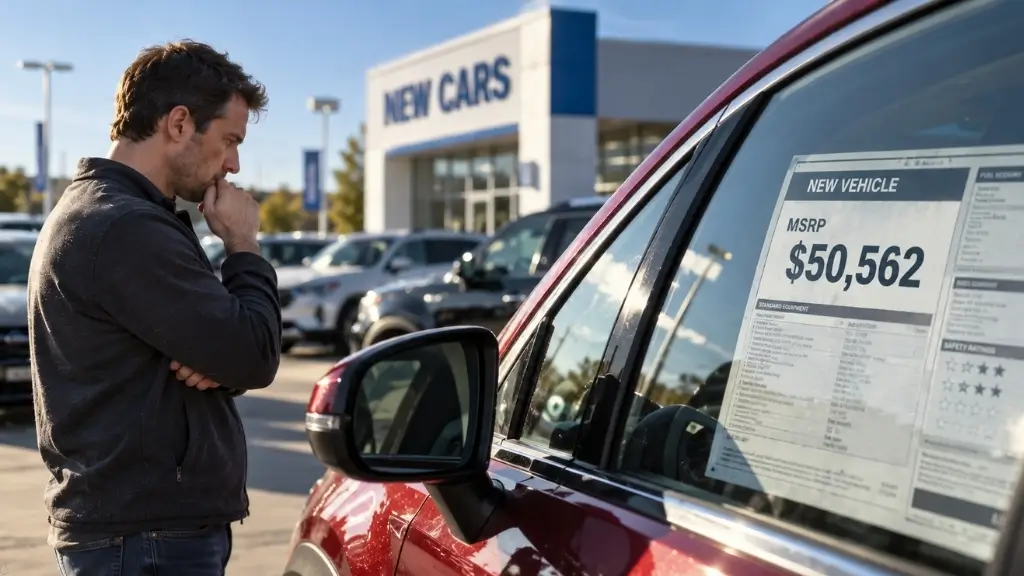
Pricing trends further highlight market divergence. The average new-vehicle listing price climbed to $50,465, up 1.2% year over year. Prices rose steadily through late December, ending the month 2.2% higher than in November.
Lower-priced vehicles continue to linger on dealer lots. While 10 brands average listing prices below $40,000, only Honda and Subaru posted days’ supply below the national average. The remaining brands carried elevated inventory, suggesting many price-sensitive buyers have stepped out of the new-vehicle market rather than trading down.
By contrast, vehicles priced above $75,000 turned fastest, averaging a 63-day supply. That dynamic underscores ongoing strength among higher-income buyers.
Looking ahead, automakers face additional pricing pressure in 2026 as tariff-related costs absorbed in 2025 are expected to flow through to consumers. Negotiations surrounding the USMCA trade agreement later this year could add further uncertainty.
Despite these challenges, the industry enters the first quarter with cautious optimism. Moderating interest rates, higher tax refunds, and lower tax burdens may support early-year demand, even as inventory discipline and pricing strategy remain critical.