Affordability pressure, a sharp pullback in EV demand, and new competition from disruptors like Carvana are reshaping how consumers shop for vehicles and how dealers compete for their business. Today on CBT Live, Mike Maroone, Chairman and CEO of Maroone USA, joins us from Colorado to share his read on where the market stands heading into the fall.
Maroone observes that the business has rebounded after a challenging first quarter with low inventory and weak demand for new vehicles. He explained that sales of pre-owned vehicles increased through the second quarter and into July and August. However, margin pressure continues to be a persistent issue for both new and pre-owned vehicles, and service and parts revenue is also softening due to a decline in warranty work and cautious consumer spending.
Sign up for CBT News’ daily newsletter and get the latest industry stories delivered straight to your inbox.
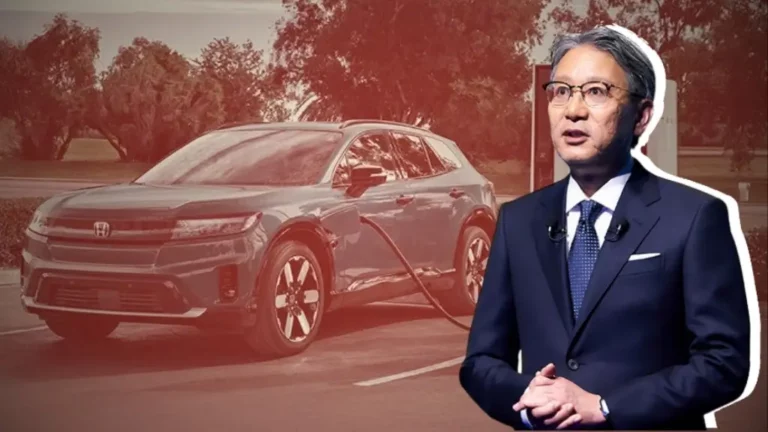
Additionally, he believes that EV demand in Colorado, a leading EV market, has declined sharply since federal and state incentives ended. He estimates that the loss of the $7,500 federal EV tax credit and Colorado’s $5,000 incentive increased prices by $12,500 overnight, reducing production and inventory, noting that pre-owned EVs are now offering better value for consumers as off-lease inventory increases, even though these vehicles do not retain their resale value well.
As Lead Independent Director at Carvana since its IPO, a seat he called “a front row seat looking at the future,” Maroone has watched dealer sentiment shift from alarm to something closer to respect. He compared the early fear to how dealers once reacted to Japanese imports and to the formation of AutoNation. What changed the conversation, he said, is that Carvana pays the same price for vehicles as any other retailer and prices them off market algorithms rather than undercutting competitors.
Chinese-made vehicles in the U.S.
On Chinese vehicles entering the U.S. market, Maroone said their build quality and technology are outpacing many domestic and Japanese competitors, but government support behind Chinese manufacturers sets them apart from past import waves. He pointed to industry suspicion that Chinese automakers are selling vehicles in Europe and South America at a loss due to overcapacity at home. Nevertheless, he favors a gradual approach to allowing Chinese vehicles into the U.S. market, with production and data security as the two biggest open questions, while acknowledging the difficulty of keeping out a better product at a lower price.