Scale has historically given large dealer groups an edge that franchise dealers struggle to match. AutoTrust Dealer Alliance is giving them a way to close that gap, letting dealers keep their stores while gaining the same leverage as the public dealer groups.
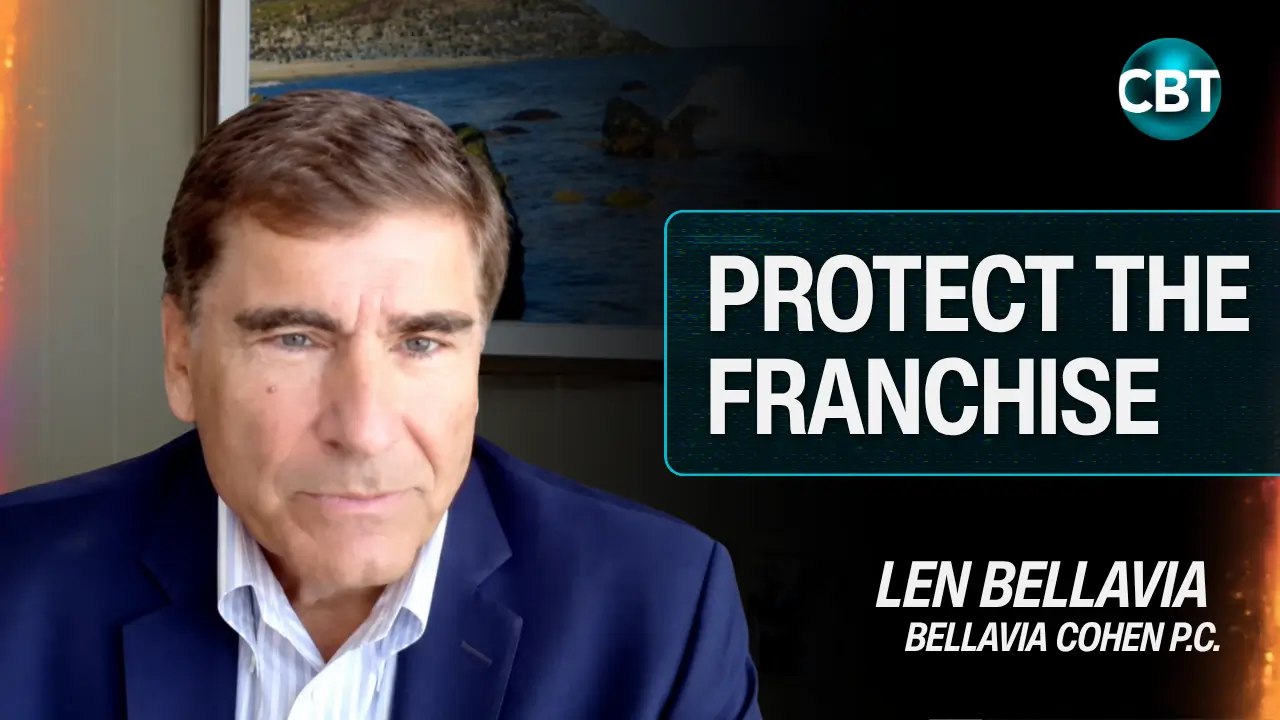
Dave Mondragon, Founder and CEO of AutoTrust Dealer Alliance, joins us on this episode of Inside Automotive for a closer look at how AutoTrust works and why scale, not a sale, can keep family dealer groups alive for the next generation.
Building a dealer-owned cooperative
AutoTrust surpassed 300 franchise dealer members in its first year. Most of that growth came in the six months since the NADA Show, driven by steady, incremental sign-ups rather than any single large deal, Mondragon said.
The model applies a Costco-style membership structure to auto retail. Dealers pay a flat fee to join and gain access to negotiated programs across F&I, lender and financial services, and general procurement. Every dealer who joins becomes an owner in the cooperative rather than a customer of it. AutoTrust operates on a performance-based structure: dealers keep the economic benefit generated by their own volume, while still benefiting from the collective buying power of the membership.
"Every dealer that joins AutoTrust is an owner in this business. They become a member of a cooperative and they're owners in this business. They get the equity, they get the cash distributions. It's their business."
A dealer with five or over 35 stores still gains access to the collective buying power of hundreds of members. That leverage would otherwise sit out of reach for an operation that size, Mondragon said. AutoTrust negotiates the underlying programs, but member dealers decide individually whether to participate in any given deal. Cash distributions to AutoTrust members will total more than $5 million by the end of the year. Mondragon expects that figure to grow to $25 million in 2027, evidence he says the model works beyond the sign-up numbers alone.
AutoTrust spent its first year building scale and establishing credibility in the marketplace, Mondragon said. The company is now shifting into a second phase that deepens value for existing members rather than adding new ones. He compared the shift to moving from hunting to farming, with a long-term goal of becoming a new economic platform for independent franchise dealers nationwide.
The pressures reshaping dealer economics
The current pressure on dealers is the product of several forces hitting at once, Mondragon said. Margin compression, higher capital costs, and vehicle affordability are all compounding simultaneously. Higher floor plan costs, tighter consumer credit, and longer loan terms are adding to the squeeze.
Dealers with the strongest buying power will be the ones who keep moving inventory through that pressure, he said. Consolidation in retail auto isn’t going away, according to Mondragon. The real choice for dealers, in his view, is whether they participate in it on their own terms. Private equity and public consolidators continue pouring capital into the industry, and that pressures dealers who have no interest in selling.
Dealers shouldn’t have to sell just because they can’t compete with larger, consolidator-backed operators in their own market, Mondragon said. He pointed to dealers competing against Carvana, CarMax, AutoNation and Lithia stores, noting that AutoTrust gives those dealers access to greater scale and leverage. The goal, he said, is to give dealers a fighting chance and help level the playing field.
The franchise model’s staying power
Independent ownership is worth preserving for family dealerships, Mondragon said, especially as M&A activity and dealership valuations keep climbing and more owners weigh a sale against passing the business down.
"Independent ownership is something worth passing down, though. It's not something anyone should be pressured to sell."
The franchise system persists, in his view, because it shifts financial risk to the retailer rather than the manufacturer. Dealers carry the cost of floor planning inventory. They must turn over new vehicles within 60 days and used vehicles within 30, obligations that don’t fall on the OEM. Beyond absorbing that risk, Mondragon said dealers bring local market knowledge and community involvement that a direct sales model can’t replicate. He pointed to the support dealers routinely provide to schools, youth sports, and hospitals in their communities.
What AutoTrust membership changes day to day
Stronger dealer economics also factor into staffing, according to Mondragon. He said the additional income AutoTrust generates gives dealers more room to invest in employee pay, training, and benefits. Dealers can do that without cutting other parts of the business to fund it, he said, calling it a retention and hiring advantage in a tight labor market.
On the operational side, AutoTrust handles vendor negotiations directly. That frees dealer principals to focus on running their stores. They spend less time sorting through lender contracts, F&I products, and parts and service programs on their own.
Dealers retain final say on whether to accept any negotiated deal. That’s the alignment mechanism between AutoTrust’s incentives and its members’ interests, Mondragon said. AutoTrust doesn’t compete with OEM programs, focusing instead on financing and procurement opportunities that fall outside manufacturer channels.
Dealers interested in learning more about AutoTrust Dealer Alliance can visit autotrustdealer.com to explore membership details and see if the cooperative model fits their store.