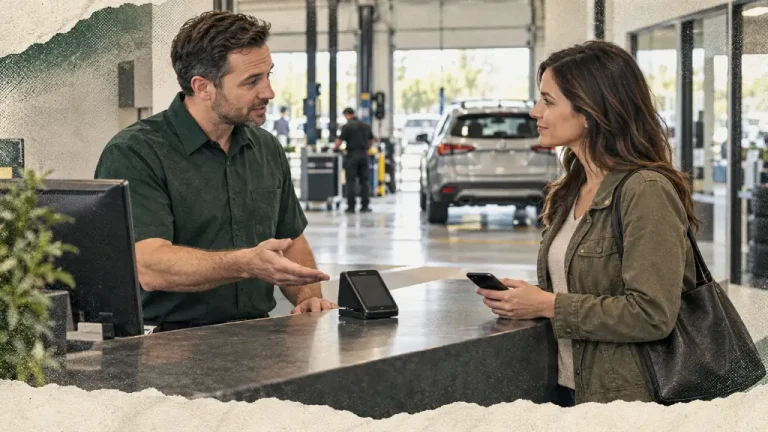
When vehicle sales slow, dealerships often point to market conditions as a driving factor for declining performance. While dealers can’t control showroom traffic, interest rates or consumer demand, they can control how their teams respond. Stronger sales processes, consistent training and more effective management can help stores maintain performance even when fewer customers are shopping.
On the latest Inside Automotive episode, Sean Gardner, Instructor and Sales Trainer with the Joe Verde Group, joins us to discuss the difference between market-dependent dealerships and management-driven stores. Gardner said the distinction becomes especially important when sales volume declines, noting that he has heard from dealerships reporting drops of as much as 30%.
Rather than letting those conditions shape the team’s expectations, Gardner encouraged managers to review existing sales processes and identify opportunities to improve. That includes how employees handle incoming calls, walk-in customers and internet leads. He pointed to a 26-store dealer group where leadership recognized the need to tighten its processes, giving salespeople a clearer path to convert more opportunities.
Creating urgency
Gardner also warned that management’s attitude toward the market can quickly influence the showroom, recalling a time when he called a dealership as a prospective buyer and heard salespeople say there weren’t many buyers in the market or to wait until after an election. When those messages come from salespeople, Gardner said, they often reflect what employees have heard from their managers and general managers. Instead of creating urgency and helping customers move forward, those conversations can give shoppers another reason to postpone a purchase.
Consistent training is another area where managers can make a difference, as Gardner recommends holding 30-minute training sessions three times a week, focusing on foundational sales skills that help employees handle customer questions, objections and closing opportunities. When fewer customers visit the dealership, each interaction carries more weight, making a salesperson’s ability to work through a difficult deal increasingly important. Additionally, Gardner said dealerships should focus on developing professional salespeople rather than relying on easy transactions or customers who arrive ready to buy.
Ownership of performance
As the conversation progressed, Gardner pointed to common frustrations: managers being unavailable when salespeople need help structuring a deal, vehicles not being ready for demonstrations, and employees receiving negative responses when they bring challenging deals to the desk. He encourages managers to remove these obstacles and give salespeople the confidence and support to stay engaged. Clear improvement goals are also important, but Gardner emphasizes that setting goals is only part of the process. He estimates that 25% of successful goal-setting comes from defining the goal, while the remaining 75% comes from developing and consistently following a realistic plan.
“The plan, the discipline to follow the plan, that's 75% of the success of goal setting.”
Meanwhile, salespeople must take responsibility for their own performance rather than waiting for easier customers or better market conditions. Gardner encouraged employees to sharpen their selling skills, improve how they handle price objections, present payment options more effectively and follow up with unsold customers with greater urgency. He also pointed to repeat and referral business as an important way to build a more dependable pipeline of customers who return to the dealership and request a salesperson by name. For Gardner, becoming less market-dependent starts with focusing on the activities each person can control, from managers setting the direction and removing obstacles to salespeople taking ownership of their careers.