

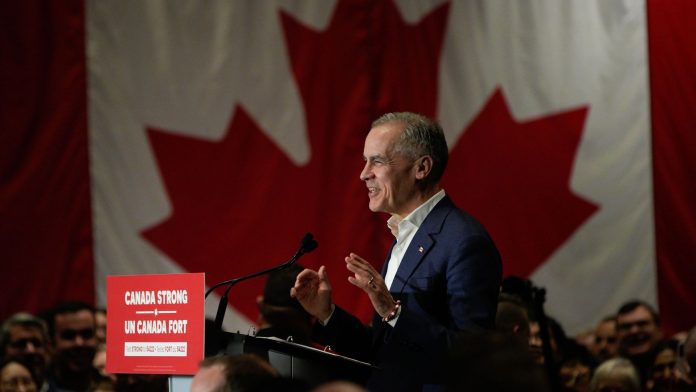
Canadian Prime Minister Mark Carney met with automotive executives to address the sharp decline in Canadian auto exports following new U.S. tariffs. With a 25% import duty imposed by the Trump administration in April, Canada’s auto industry, which is heavily reliant on U.S. sales, is facing significant pressure, prompting urgent calls for relief and clarity on trade.
Here’s why this matters:
The U.S. auto retail landscape is closely tied to North American manufacturing and trade flows. Tariffs on Canadian-built vehicles disrupt inventory availability, raise costs for dealers, and inject uncertainty into the supply chain. Dealers who source popular models from Canada may experience vehicle shortages, pricing pressure, or delivery delays, particularly if production cuts at key factories continue.
Key takeaways:
- Canada’s auto exports down 23% after tariffs
Following the U.S. imposition of a 25% tariff on foreign-made vehicles in April, Canada’s car and light truck exports to the U.S. dropped by 23% in April alone. May figures are still pending but are expected to show continued weakness.
- Factory operations disrupted
General Motors and Stellantis have already cut shifts at Ontario-based plants. Ford’s assembly plant near Toronto remains idle, and overall production capacity is constrained nationwide.
- NAFTA successor at risk
Canadian officials argue that the new tariffs violate the U.S.-Mexico-Canada Agreement (USMCA), potentially undermining cross-border trade relations and adding complexity to the issue in terms of both legal and diplomatic implications.
- Critical market link for U.S. dealers
While Canada exports most of its vehicles to the U.S., it is also the largest importer of U.S.-made cars. Any prolonged disruption could affect U.S. dealer sales and sourcing in both directions.
- Urgency mounts among industry leaders
Industry voices, including Flavio Volpe of the Automotive Parts Manufacturers’ Association (APMA), are calling for fast intervention. Carney’s meetings with automakers signal rising political pressure to resolve the trade impasse and stabilize production pipelines.