
On the Dash:
- The Manheim Used Vehicle Value Index rose 0.3% in mid-December and increased 0.6% year over year.
- Sales conversion and retention strengthened, signaling seasonally solid wholesale demand.
- EV values softened month over month, while overall supply remained balanced despite year-end inventory growth.
Wholesale used-vehicle prices edged higher in mid-December, signaling a return to more typical seasonal patterns after a volatile year. The Manheim Used Vehicle Value Index rose to 206.0 in the first half of December, reflecting a 0.3% increase from November and a 0.6% gain from December 2024.
The increase came despite non-adjusted wholesale prices slipping 0.2% month over month. On a year-over-year basis, non-adjusted prices were up 0.7%. December usually produces little to no change in seasonally adjusted values, making the index’s rise modestly stronger than average.
Market activity at Manheim showed firm demand. Sales conversion averaged 59.1% during the first 15 days of December, up 6 points from both November and the same period last year. MMR retention reached 99.7%, rising from November and exceeding year-ago levels. MMR prices for three-year-old vehicles declined 0.5%, indicating depreciation remained slightly elevated early in the month.
Segment performance varied across the market. Overall wholesale prices rose 0.6% year over year, supported largely by gains in the luxury segment. Electric vehicles continued to influence luxury pricing trends, while trucks and compact cars recorded the largest year-over-year declines.
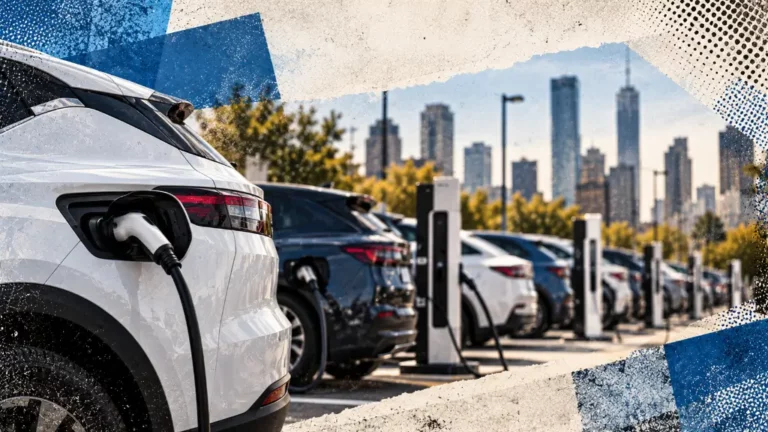
The EV index increased 2.1% from a year earlier but fell 0.5% from November. Non-EV values rose 0.6% year over year and increased 0.2% month over month. EV prices have softened following the expiration of tax credits, though values remain higher than last year.
Wholesale supply expanded as the year approached its close. Days’ supply reached 30.5 days at the end of November, up from October and higher than a year ago. By Dec. 15, supply eased slightly to 29.9 days. Inventory growth outpaced sales modestly, though conditions remained balanced for the season.
Looking ahead, lower interest rates, improving credit availability and expectations for a stronger tax refund season could provide support for used-vehicle demand entering 2026.