On the Dash:
- Lucid’s Uber partnership signals growing momentum in demand for fleets and robotaxi beyond traditional retail channels.
- Continued funding highlights both investor confidence and the sector’s ongoing capital needs.
- Leadership and restructuring moves reflect a shift toward efficiency and scalable growth amid market pressure.
Lucid announced that it has secured roughly $750 million in new funding commitments from Uber and an affiliate of Saudi Arabia’s Public Investment Fund, while simultaneously appointing a new CEO.
The EV maker, positioned as a premium EV manufacturer, continues to navigate a highly competitive and capital-intensive landscape as it secures an additional $200 million investment from Uber. Under the agreement, the Uber investment brings the total to $500 million, while the agency will purchase at least 35,000 Lucid vehicles designed exclusively for its future global robotaxi service.
Additionally, Ayar Third Investment, an affiliate of the Public Investment Fund, committed an additional $550 million. The investment builds on a prior $1 billion commitment made in March 2024, underscoring continued backing from Saudi Arabia’s sovereign wealth network.
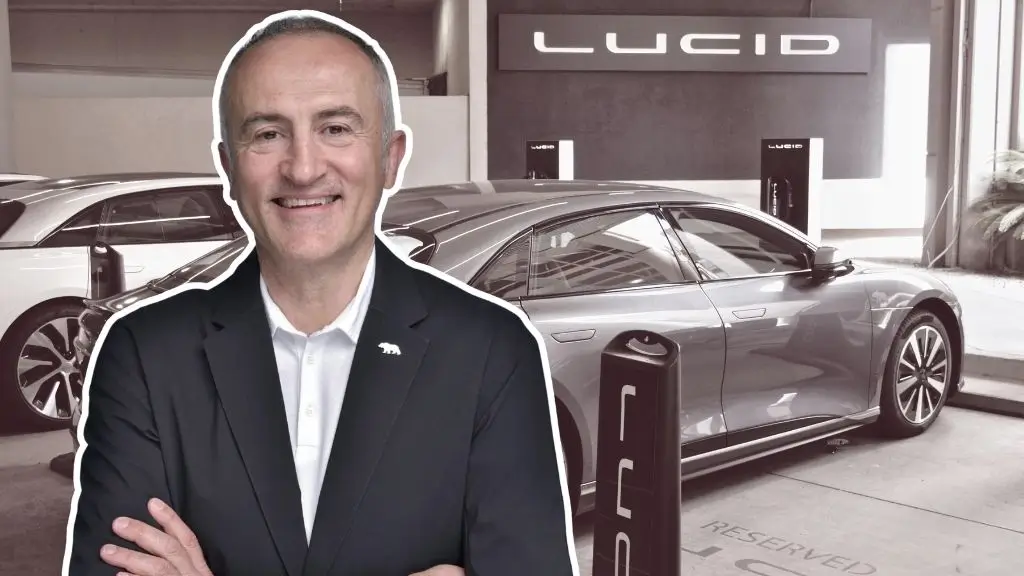
Separately, the EV maker also confirmed that Silvio Napoli, most recently chief executive of Schindler Group, will take over as CEO, succeeding Marc Winterhoff, who has served as interim CEO since February 2025 and will transition to chief operating officer.
Earlier this year, Lucid said it would lay off about 12% of its U.S. workforce as part of a broader effort to cut costs and realign its growth strategy. The company reported approximately 9,000 employees globally as of Dec. 31, according to its most recent annual report.
Financially, Lucid reported a wider fourth-quarter loss even as revenue more than doubled. The company delivered 5,345 vehicles during the quarter, representing a 72% increase from the prior year.
The latest funding, leadership transition, and strategic partnerships highlight Lucid’s focus on scaling production, strengthening its balance sheet, and positioning itself within the emerging autonomous mobility ecosystem.