TSLA446.23912.7886%
GM75.485-0.955%
F13.6151.625%
RIVN14.4550.505%
CYD50.8352.315%
HMC24.3750.265%
TM186.9105.24%
CVNA70.080-3.64%
PAG166.290-2.74%
LAD271.200-4.1%
AN190.240-5.12%
GPI328.840-7.3%
ABG193.080-0.6%
SAH76.600-1.98%
TSLA446.23912.7886%
GM75.485-0.955%
F13.6151.625%
RIVN14.4550.505%
CYD50.8352.315%
HMC24.3750.265%
TM186.9105.24%
CVNA70.080-3.64%
PAG166.290-2.74%
LAD271.200-4.1%
AN190.240-5.12%
GPI328.840-7.3%
ABG193.080-0.6%
SAH76.600-1.98%
TSLA446.23912.7886%
GM75.485-0.955%
F13.6151.625%
RIVN14.4550.505%
CYD50.8352.315%
HMC24.3750.265%
TM186.9105.24%
CVNA70.080-3.64%
PAG166.290-2.74%
LAD271.200-4.1%
AN190.240-5.12%
GPI328.840-7.3%
ABG193.080-0.6%
SAH76.600-1.98%

Kia hit with $842 million tariff loss as Q3 profit sinks nearly 50%

Kia's Q3 profits fell by 49% due to U.S. tariffs and increased warranty costs.
Kia, profit

On the Dash:

  • U.S. tariffs cost Kia $842 million in Q3, driving a 49% decline in profit despite record revenue.
  • The company expects a similar hit in Q4 but anticipates relief once the lower 15% duties take effect in December.
  • Kia projects a recovery fueled by new EV launches and steady demand in North America and Europe.

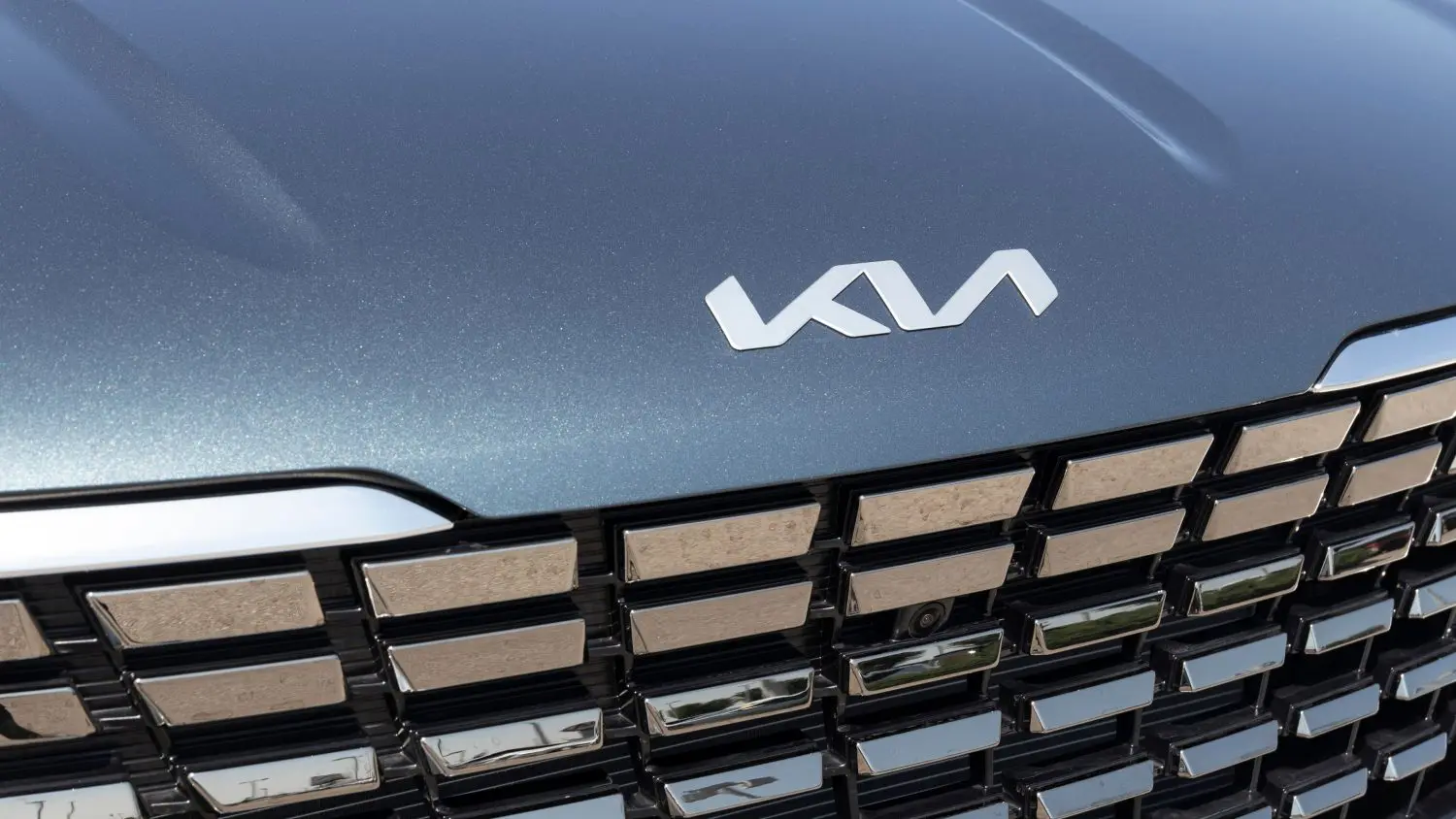
Kia reported that the U.S. tariffs cost the company 1.2 trillion won ($842 million) in the third quarter, slashing its operating profit by nearly half despite record vehicle sales and revenue.

The South Korean automaker reported a 49% drop in operating profit to 1.5 trillion won ($1.05 billion), falling short of analysts’ estimates compiled by Bloomberg. Even with the decline, Kia achieved its highest-ever third-quarter revenue and record wholesale deliveries of 785,137 vehicles, fueled by global demand for electric and hybrid models.

Sign up for CBT News’ daily newsletter and get the latest industry stories delivered straight to your inbox.

Kia expects the same 1.2 trillion won tariff impact in the fourth quarter, even after the U.S. and South Korea finalized a deal to lower import duties from 25% to 15%. Chief Financial Officer Kim Seung Jun said the benefit won’t be felt until December because existing U.S. inventory has already been taxed at the higher rate.

However, the automaker’s affiliate, Hyundai, also reported steep losses from U.S. tariffs, totaling 1.8 trillion won ($1.26 billion) in the same period. The tariff costs have underscored the financial strain facing South Korean manufacturers despite a clearer trade outlook.

Increased warranty expenses, a weaker won, new vehicle launch costs, and growing competition from Chinese automakers further pressured Kia’s results. The company, however, said profits have “bottomed out” and expects a turnaround beginning in the fourth quarter.

Meanwhile, strong demand in North America and Europe, along with the introduction of new EV models such as the EV4 and EV2, is expected to support the recovery. Kia and Hyundai continue to expand production at U.S. facilities in Alabama and Georgia while growing their hybrid and EV lineups in key global markets, including Europe, India, and China.


Read More
More from Articles
The simple 'paperwork' mistake that could cost dealers $10,000

The simple ‘paperwork’ mistake that could cost dealers $10,000

- May 13, 2026
On the Dash: CDK Global says a paperwork problem cost a dealer $10,000 during a manufacturer audit. NADA calls federal record-keeping requirements among the most burdensome rules dealers face today. ...
GM-LG battery venture recalls small group of Ohio workers as EV demand slows

GM-LG battery venture recalls small group of Ohio workers as EV demand slows

- May 13, 2026
On the Dash: EV production volatility is directly affecting supply chain employment and factory output decisions. Incentive-driven demand shifts are forcing automakers to adjust production more quickly than long-term EV...
Nissan projects return to profit after seventh straight quarterly loss

Nissan projects return to profit after seventh straight quarterly loss

- May 13, 2026
On the Dash: Nissan’s projected return to profit could improve dealer confidence after multiple quarters of financial instability. Ongoing model cuts and production restructuring may impact future inventory mix and...
New-vehicle prices rose in April, but the gains fell short of the historical average, with wide variation across brands and segments, according to Kelley Blue Book.

New-vehicle prices rise in April, but the pace is cooling

- May 13, 2026
On the Dash: New-vehicle ATP rose 1.8% year over year in April, below the 3.6% long-term average. Ford and GM posted strong gains while several luxury brands saw transaction prices...
CBT News
Privacy Overview

This website uses cookies so that we can provide you with the best user experience possible. Cookie information is stored in your browser and performs functions such as recognising you when you return to our website and helping our team to understand which sections of the website you find most interesting and useful.