The federal government has already taken a step toward requiring technology that could affect whether you are allowed to operate your own vehicle. In 2021, Congress passed the Infrastructure Investment and Jobs Act, signed by President Joe Biden on November 15 of that year. Buried in that massive law was Section 24220, a provision directing the Department of Transportation, through the National Highway Traffic Safety Administration, to establish a federal motor vehicle safety standard for advanced impaired-driving prevention technology.
The stated goal is to prevent deaths and injuries caused by impaired driving. Nobody is arguing that drunk driving is acceptable, and nobody wants innocent people hurt by someone who should not be behind the wheel. But the debate is not simply about whether impaired driving is dangerous. It is about what technology the government will require, how that technology will make decisions, and what happens when those decisions are wrong.
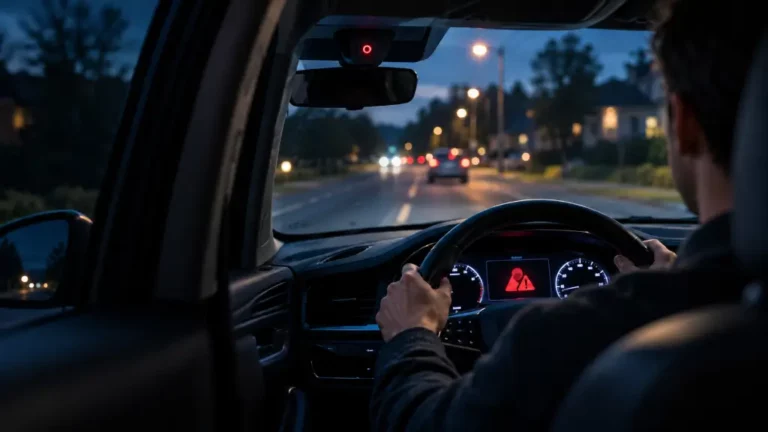
Section 24220 contemplates technology that can passively monitor driver performance, detect a blood alcohol concentration at or above the applicable legal limit, or combine qualifying approaches to prevent or limit vehicle operation when impairment is detected. The phrase that deserves attention is “prevent or limit vehicle operation.” This is not merely a requirement for another dashboard light or an audible reminder to pay attention. The law directs regulators to develop a standard for technology intended to do more than alert a driver.
That is why we refer to it as the “kill switch” law. The term is provocative, but the underlying concern is real: What happens when a vehicle’s technology determines that a person should not be driving? And what happens when that determination is wrong?
Let’s be precise, Section 24220 does not mandate a universal remote-controlled shutdown system that police can activate at will in every vehicle. It does not prescribe one specific camera, one universal algorithm, or a system that automatically shuts off every car while it is moving. The final federal standard will determine the requirements, and the exact technology used by automakers matters.
The law expressly contemplates technology capable of preventing or limiting vehicle operation. That raises legitimate questions about driver control, reliability, and the safeguards required before such technology becomes mandatory.
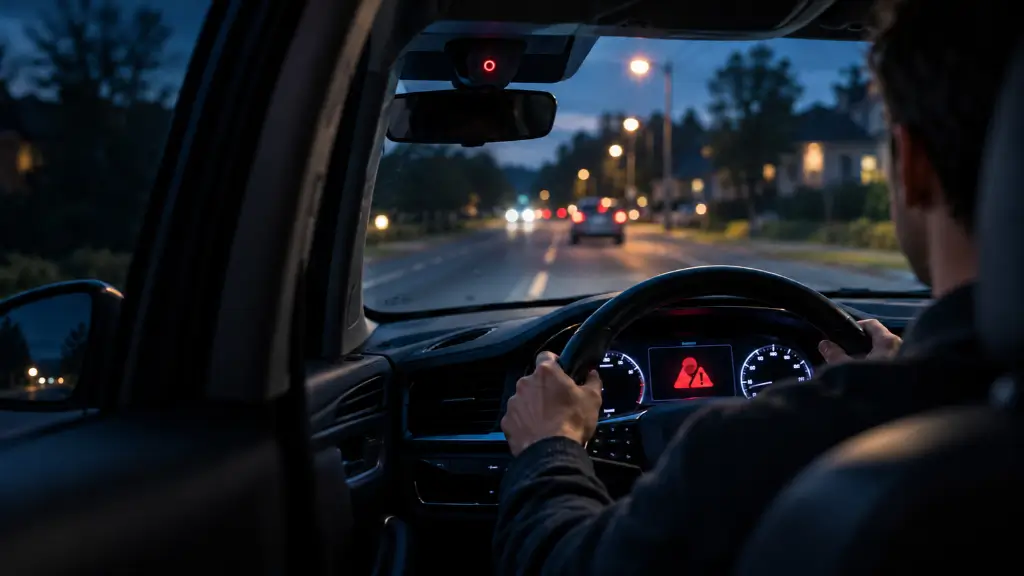
Consider the difference between a warning and an intervention. If your car flashes a message telling you to pay attention, you can assess the situation and decide what to do. If a system is designed to restrict vehicle operation, the stakes are different. The technology’s assessment could affect your ability to continue driving, and the consequences could be serious if it misidentifies the situation.
That is especially important when we already see drivers complaining about monitoring systems that appear to misread their eyes or interpret ordinary movements as inattention. Those complaints do not prove that every driver-monitoring system is defective, nor do they establish that the same technology will be used to detect alcohol impairment. These are distinct systems with different purposes. But the complaints illustrate why accuracy cannot be taken for granted simply because a computer is making the assessment.
A system designed to detect impairment must distinguish between a genuine safety risk and an incorrect reading. Regulators need to consider how the technology performs across different drivers, lighting conditions, eyewear, and real-world driving environments. They also need to determine how the system responds when its sensors are blocked, its software malfunctions, or its results are uncertain. If a system cannot reliably distinguish impairment from a technical error, what protections will prevent an innocent driver from bearing the consequences?
Then there is the question of what happens after a mistake. Can the driver override the system? Is there a clear process for resolving a false detection? Could a malfunction leave someone unable to use a vehicle when they need to get to work, reach a medical appointment, or respond to an emergency? These are questions that must be answered through engineering, testing, and enforceable safeguards, not brushed aside as objections to safety. No one wants to be in “kill switch jail”.
The regulatory timeline also matters. The law originally set November 15, 2024, as the deadline for issuing the standard, with a possible extension of up to three years. Under that extension provision, the outer deadline could be November 15, 2027. That is the deadline for the rulemaking process, not an automatic date when every new vehicle must have the technology installed. Automakers would have a separate compliance period of two to three years after the final rule is issued.
In other words, the law established the mandate, but the technical requirements and protections are a separate matter. We deserve to know what the final standard will require, what evidence supports the technology’s reliability, how failures will be handled, and who will be held responsible when something goes wrong.
Safety should be the objective, not a blank check. Before the government requires technology that can influence whether a driver can operate a vehicle, regulators must demonstrate that it works reliably and establish meaningful protections for the people expected to live with it. A mandate does not guarantee good engineering, and good intentions do not eliminate the need for accountability.
The question is not whether we should prevent impaired driving. The question is whether the government and automakers can deliver that protection without creating a new set of risks for innocent drivers. If a computer can help decide whether you are allowed to drive your own car, you deserve to know how that decision is made, what happens when it is wrong, and who answers for the consequences.
Check out my full commentary on this story: https://youtu.be/SbQ2jbqe7FA
Looking for more automotive news? https://www.CarCoachReports.com
Listen and subscribe to The Drive with Lauren and Karl – https://www.youtube.com/@thedrivecarshow