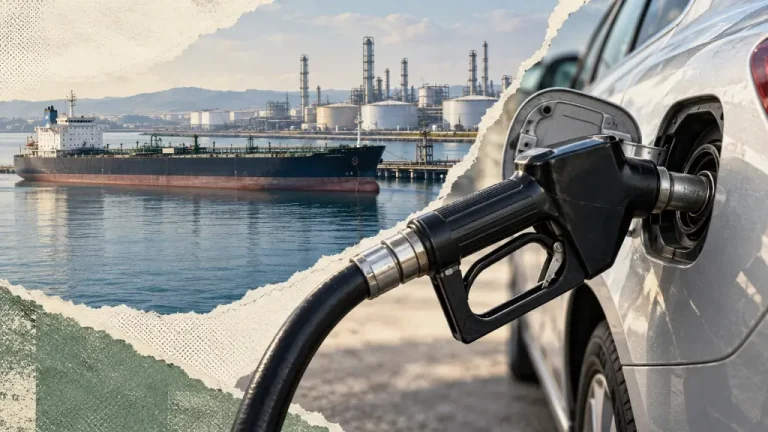
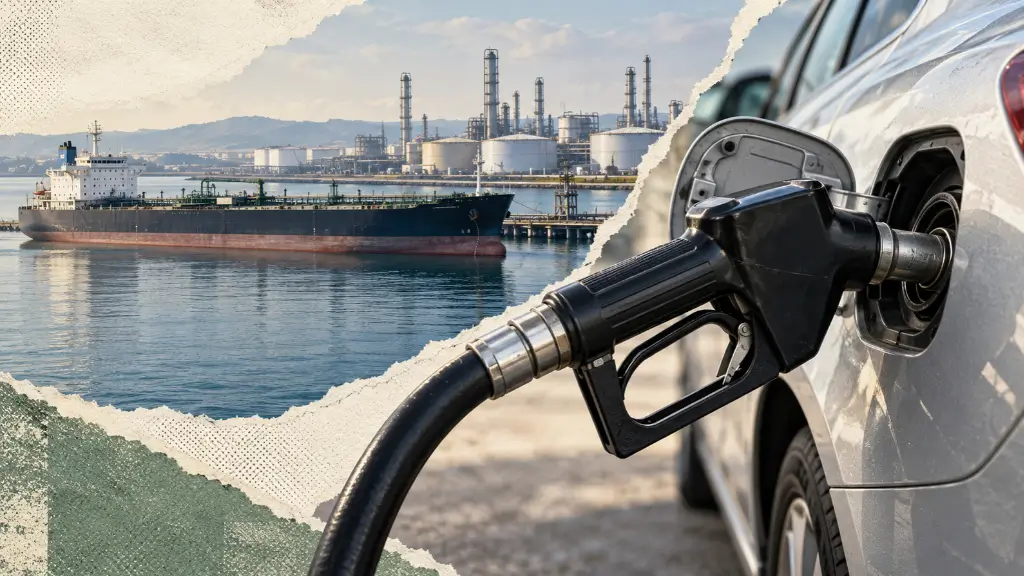
Sixty-five BILLION barrels of Venezuelan oil. More crude moving through global shipping routes. States cutting fuel taxes. Washington has plenty of reasons to promise cheaper fuel, but American drivers don’t fill their tanks with promises. They pay with real money, and every trip to the gas station is a reminder that energy costs still matter.
With the midterm elections approaching, here’s the question nobody should let politicians dodge: If oil supply is improving and fuel taxes are being cut, when will consumers actually see the savings? Because announcing a deal is easy. Getting more oil to market, bringing prices down and proving that drivers are better off is the real test.
65 billion barrels, but how much oil can we get?
The Trump administration announced an agreement involving Venezuelan oil fields with approximately 65 billion barrels in proven reserves. Under the announced arrangement, a private operator is expected to invest heavily in rebuilding and expanding production, while the U.S. government receives certain ownership and purchasing rights. The administration says the deal can strengthen American energy security and help deliver a more dependable supply of crude oil.
Here is the reality that matters to consumers: oil underground does not lower the price of gasoline. It must be produced, transported, refined and delivered. Venezuela’s oil industry has suffered from years of underinvestment, and expanding production will require significant capital, functioning infrastructure and stable operating conditions. The agreement could eventually make a difference, but the size of the reserves alone cannot tell us when drivers will see savings.
The questions are straightforward: How quickly can production increase? How much additional crude will reach American refineries? And what will it cost to bring that oil to market? Those answers matter far more to families balancing household budgets than a headline number.
The Strait of Hormuz still matters
Venezuelan oil is a long-term opportunity, but global shipping routes can have a more immediate effect on energy markets. The Strait of Hormuz is a critical passage for oil exports from the Persian Gulf, and any threat to shipping can raise costs and create uncertainty well beyond the region.
Producers have alternatives. Saudi Arabia’s East-West pipeline carries crude toward the Red Sea, while the United Arab Emirates has a pipeline route to Fujairah that bypasses the strait. Alternative routes and recovering exports can help keep oil moving, but they do not eliminate every risk. Transportation, insurance, refinery capacity and global inventories all influence the final price.
More dependable supply can put downward pressure on oil prices. But if inventories are tight or the threat of another disruption remains, prices can stay elevated even when shipments improve. That is why consumers should look at actual supply and prices, not assume that one positive announcement guarantees cheaper fuel.
Red-dyed diesel: Relief with conditions
The administration has also temporarily relaxed federal penalties involving red-dyed diesel, fuel normally reserved for qualifying tax-exempt uses such as farm equipment and certain off-road machinery. The IRS says the federal relief applies retroactively from October 1 through December 31, 2026, and covers certain sales and uses of dyed diesel on highways.
But there is an important catch: this is not a universal exemption from state fuel taxes or state restrictions. Rules vary by state, and drivers and businesses need to understand the requirements where they operate. The IRS has specifically warned that its relief applies only for federal tax purposes. Anyone assuming that red-dyed diesel is now legal to use anywhere could face a costly surprise.
The measure may offer temporary help to some farmers, truck operators and businesses, but it is not a permanent solution to high diesel prices. Consumers should also be wary of assuming that the entire federal tax burden has disappeared. The details matter.
Are fuel-tax cuts making a difference?
Several states have adopted temporary fuel-tax measures, including suspensions, reductions or delays to scheduled increases. These policies can provide some relief, but they are not all the same, and each has its own terms and expiration date. A temporary suspension is different from a tax reduction, and delaying a scheduled increase is not the same as cutting the tax drivers already pay.
Even when a tax is reduced, the change does not guarantee that the pump price will fall by the same amount. Wholesale fuel prices can move at the same time, while transportation and refining costs also influence what consumers pay. Drivers should compare local prices, check the rules in their state and pay attention to when temporary relief expires.
A tax break can help in the short term, but it does not fix supply problems or guarantee lasting savings. When a temporary measure ends, the tax can return, potentially pushing costs higher again.
Follow the numbers, not the promises
The real test of energy policy is not how impressive an announcement sounds. It is whether more dependable supply reaches the market, whether fuel prices fall and whether consumers actually pay less. The Venezuelan agreement could improve energy security over time, alternative shipping routes can reduce dependence on a single chokepoint, and temporary tax relief can help certain drivers and businesses. None of those developments, however, guarantees an immediate drop in gasoline prices.
With the midterms approaching, politicians have every reason to talk about fuel costs. Consumers have every reason to demand evidence. Watch production figures, oil shipments, inventories, refinery operations and the price at your local station. If the market improves, drivers should eventually see results. If prices remain high, the public deserves a clear explanation of why.
I want to hear what is happening where you live. What are you paying for gasoline or diesel, and have you noticed any difference from your state’s tax relief? Billions of barrels and government announcements may dominate the headlines, but the number that matters to American drivers is the price on the pump.
Check out my full commentary on this story: https://youtu.be/dbu9ZlOv3K8
Looking for more automotive news? https://www.CarCoachReports.com
Listen and subscribe to The Drive with Lauren and Karl – https://www.youtube.com/@thedrivecarshow