On the Dash:
- JLR plans to cut about 4,000 jobs globally over two years as it targets lower operating costs and a 300,000-vehicle break-even point.
- The automaker plans to launch five new products over the next 12 months, giving dealers several potential new vehicles to drive showroom traffic.
- Tariffs, cybersecurity risks and Chinese competition are forcing luxury automakers to balance product investment with aggressive cost reductions.
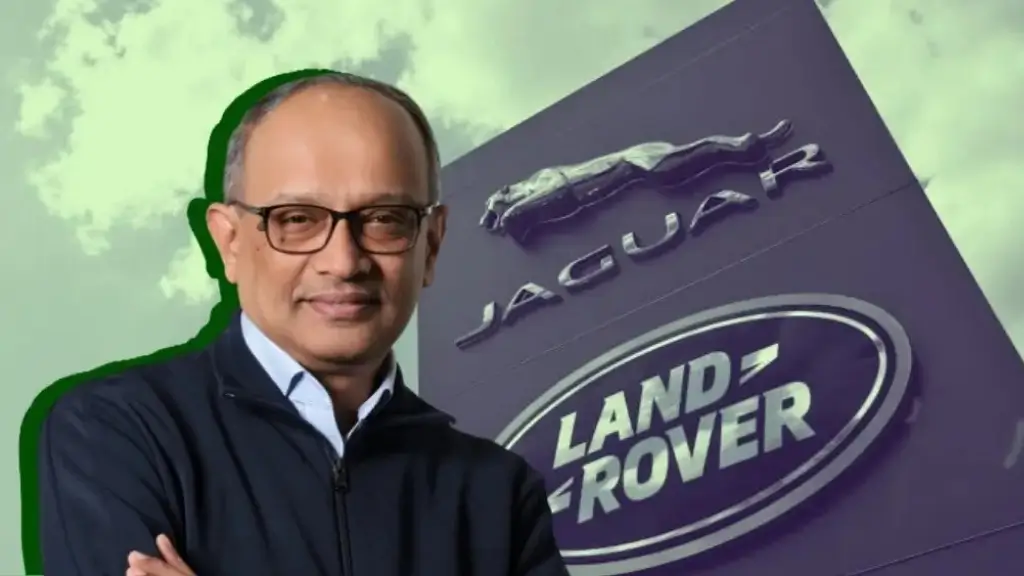
Jaguar Land Rover (JLR) is planning to cut roughly 4,000 jobs globally over the next two years, roughly 10% of its workforce, as the automaker targets £1.7 billion in savings and works to lower its break-even point to 300,000 vehicles.
According to the automaker, it’s experiencing pressure from multiple sources, citing technological changes, intense competition, and geopolitical uncertainty as primary factors. Although Chinese automakers are increasing competitive pressure by offering lower-cost vehicles, U.S. tariffs have also posed another financial challenge for the luxury brand. A recent cyberattack has also disrupted operations and incurred extra costs.
CEO PB Balaji announced that JLR plans to launch five new products over the next 12 months as part of its cost-cutting drive. JLR expects the launches to help dealers attract more showroom traffic and support sales growth. The success of these launches will be crucial as JLR works to lower its break-even volume.
Industry-wide cost-cutting trend
JLR’s restructuring aligns with a broader cost-cutting trend across the automotive industry. For instance, Volkswagen recently announced an additional 50,000 job cuts as part of its Future Plan 2030 restructuring, bringing its total planned workforce reduction to 100,000 positions. Aston Martin and Bentley have also implemented cost-saving measures. Tariffs, changing consumer demand and competition from Chinese manufacturers are driving these moves across Europe’s auto industry, and manufacturers are increasingly focused on reducing fixed costs while continuing to invest in new technology and products.
The restructuring will have implications for JLR’s retail network, as dealers will need to balance fewer corporate resources against an expanding product pipeline. Lower automaker costs could eventually enhance financial flexibility, but the short-term restructuring may introduce uncertainty. However, the five new products could help dealers refresh their inventories and attract customers. Nevertheless, JLR aims to build a more sustainable business as conditions in the global automotive industry continue to shift.