TSLA391.000-27.45%
GM82.110-0.93%
F14.900-0.44%
RIVN16.350-1.77%
CYD56.760-1.4%
HMC26.700-1.23%
TM177.160-2.34%
CVNA66.5000.31%
PAG171.020-0.59%
LAD288.840-1.76%
AN187.720-0.42%
GPI311.0005.57%
ABG190.9800.83%
SAH82.160-2.16%
TSLA391.000-27.45%
GM82.110-0.93%
F14.900-0.44%
RIVN16.350-1.77%
CYD56.760-1.4%
HMC26.700-1.23%
TM177.160-2.34%
CVNA66.5000.31%
PAG171.020-0.59%
LAD288.840-1.76%
AN187.720-0.42%
GPI311.0005.57%
ABG190.9800.83%
SAH82.160-2.16%
TSLA391.000-27.45%
GM82.110-0.93%
F14.900-0.44%
RIVN16.350-1.77%
CYD56.760-1.4%
HMC26.700-1.23%
TM177.160-2.34%
CVNA66.5000.31%
PAG171.020-0.59%
LAD288.840-1.76%
AN187.720-0.42%
GPI311.0005.57%
ABG190.9800.83%
SAH82.160-2.16%

Hyundai, Kia, and Genesis owners file lawsuit over faulty charging ports

The action alleges violations of the California Computer Data Access and Fraud Act.

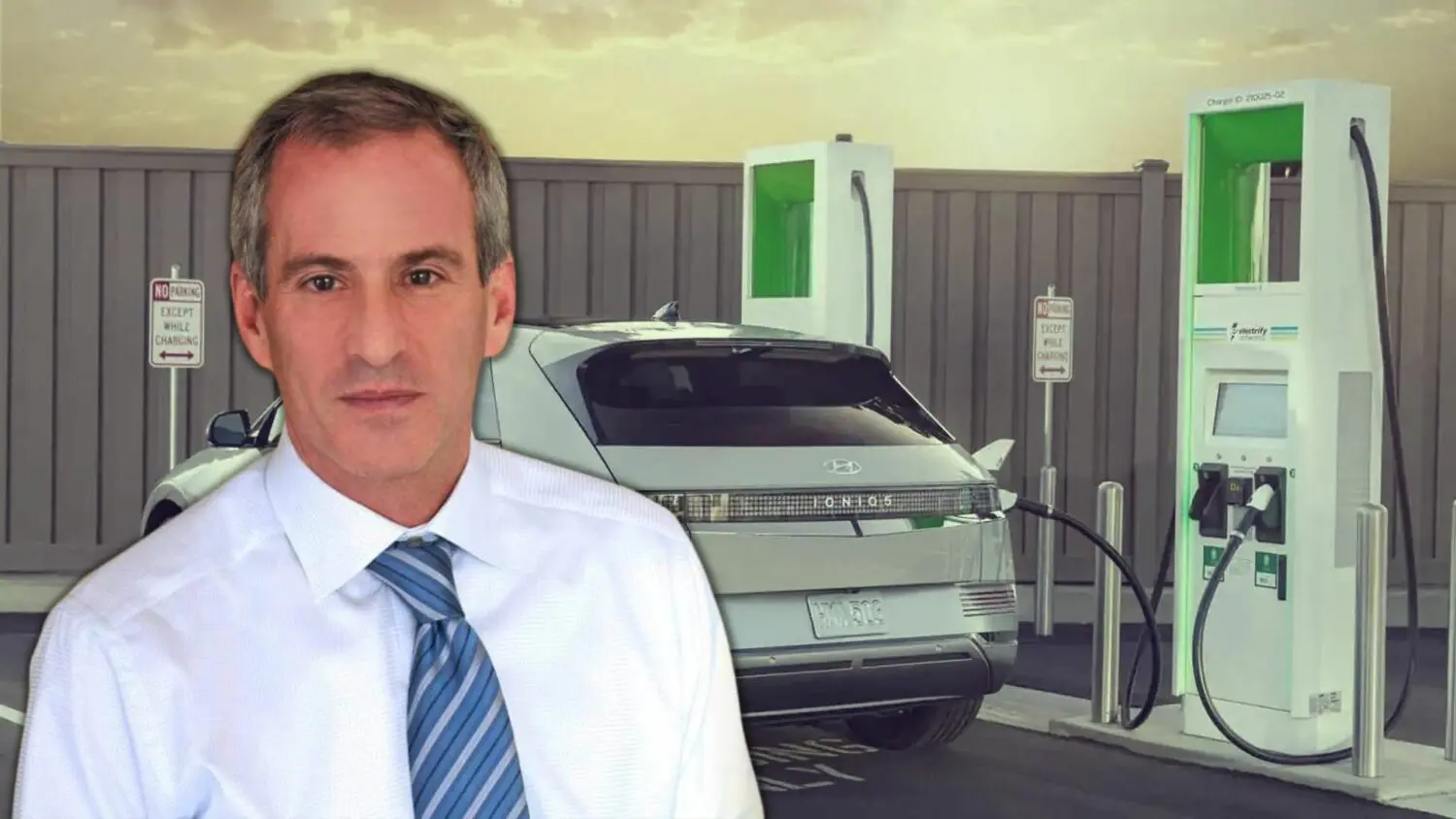
Steve Berman, managing partner at Hagens Berman

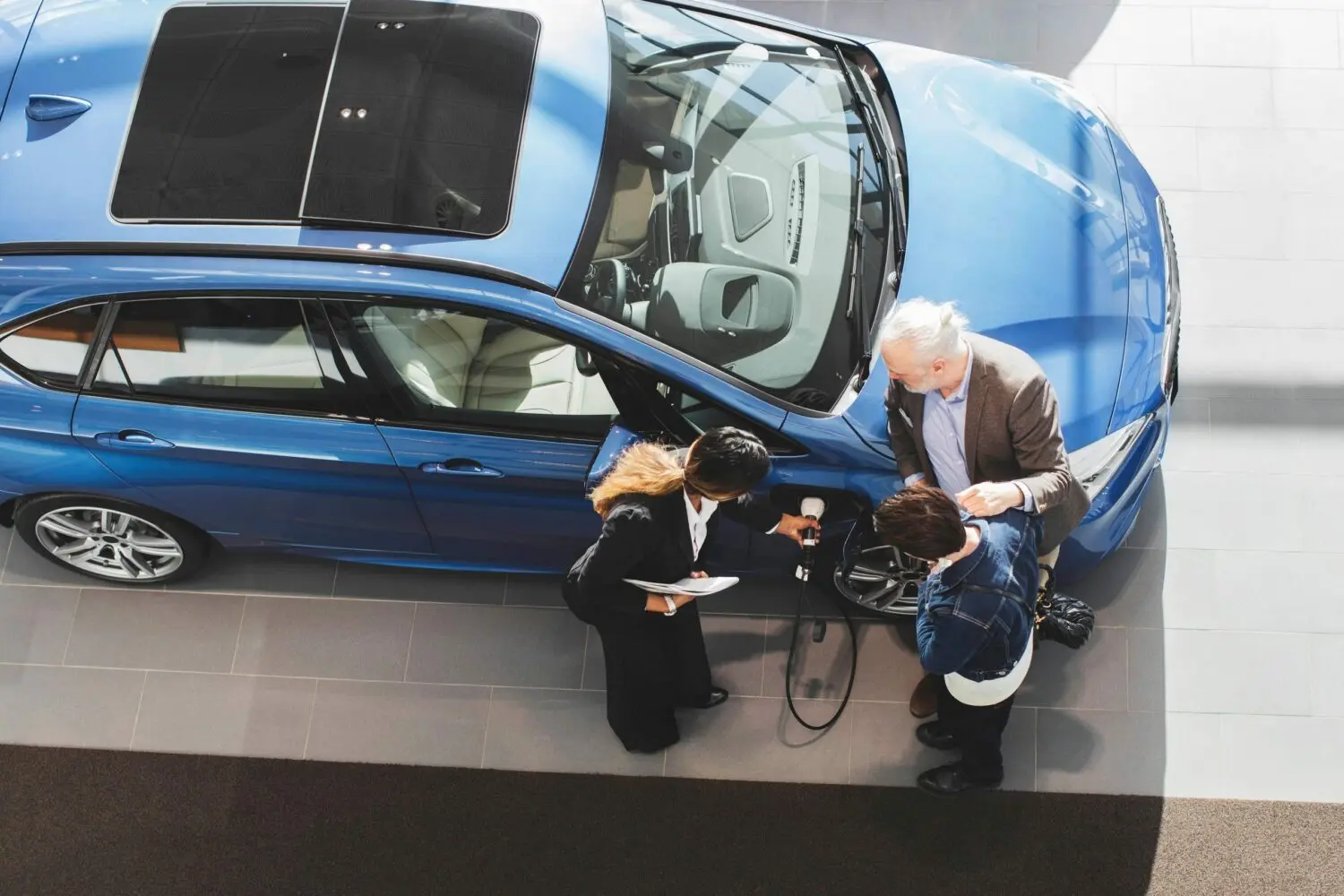
Owners of all-electric vehicles sold by Hyundai, Kia, and Genesis in the US have brought a class-action lawsuit against the automakers, alleging that some of their models have faulty charging ports that can result in charging times that are longer than they should be or even a failure to charge, leaving drivers stranded.

The lawsuit, filed late last month with the US District Court for the Central District of California, asserts that the manufacturers falsely claimed that using a Level 2 home charger could complete a vehicle’s charging in five to seven hours, depending on the vehicle’s make. Additionally, The lawsuit claims that automobile charging ports routinely overheat in as little as 30 minutes, resulting in unexpected and recurrent failures of the charging session.

The Hyundai Ioniq 5 and Ioniq 6, the Kia EV6, and the Genesis GV60 are among the vehicles listed in the court document as being affected.

Steve Berman, the managing partner at Hagens Berman and the case’s attorney said that Hyundai, Kia, and Genesis “continue to sell vehicles that are incapable of performing as advertised, as well as issue a software patch which substantially worsens charging rates and widens the gap between what they promised and what they delivered.” 

According to one plaintiff’s experience, it takes 20 hours to fully charge the 2023 Ioniq 5 at a 5% charge rate each hour. 

The complaint claims that if overheating happens, the 48 amps of advertised charging amperage drop to 28 amps, resulting in substantially lengthier charging periods than promised.

The fundamental issue, which is that these vehicles were not built to dependably charge at a rate even remotely close to 48 amps, needs to be addressed by this so-called remedy. “It’s unacceptable for Hyundai to cover up a major flaw that interferes with the vehicle’s claimed performance,” Berman says.

The action alleges violations of the California Computer Data Access and Fraud Act, the Computer Fraud and Abuse Act, and the relevant state consumer protection statutes to obtain appropriate compensation for car owners and lessors.
Further Reading
More from Articles
Used-vehicle wholesale prices edge higher in May, EVs lead the way

Used-vehicle wholesale prices edge higher in May, EVs lead the way

- June 5, 2026
On the Dash: Wholesale used-vehicle prices edged higher in May, rising 3.6% year over year. Used EV prices surged 11.9% annually, driven by sustained high gas prices. Compact cars posted...
China's auto treat: America draws the red line

China’s auto treat: America draws the red line

- June 5, 2026
If you think the debate over Chinese vehicles is about cheaper cars showing up at American dealerships, you’re missing the bigger story—and it’s one policymakers in Washington are no longer...
Trump weighs in on right-to-repair debate after meeting with automakers, dealers

Trump weighs in on right-to-repair debate after meeting with automakers, dealers

- June 5, 2026
On the Dash: The right-to-repair debate remains active in Washington and could affect dealership service operations. Dealers continue to oppose broader repair-data legislation, citing intellectual property and aftermarket concerns. Congress...
JPMorgan boosts Tesla price target to $475

JPMorgan boosts Tesla price target to $475, citing autonomous tech and software growth

- June 5, 2026
On the Dash: JPMorgan sees Tesla's future growth extending beyond vehicle sales and increasingly tied to software, AI and autonomous driving. The firm's $475 price target reflects growing Wall Street...