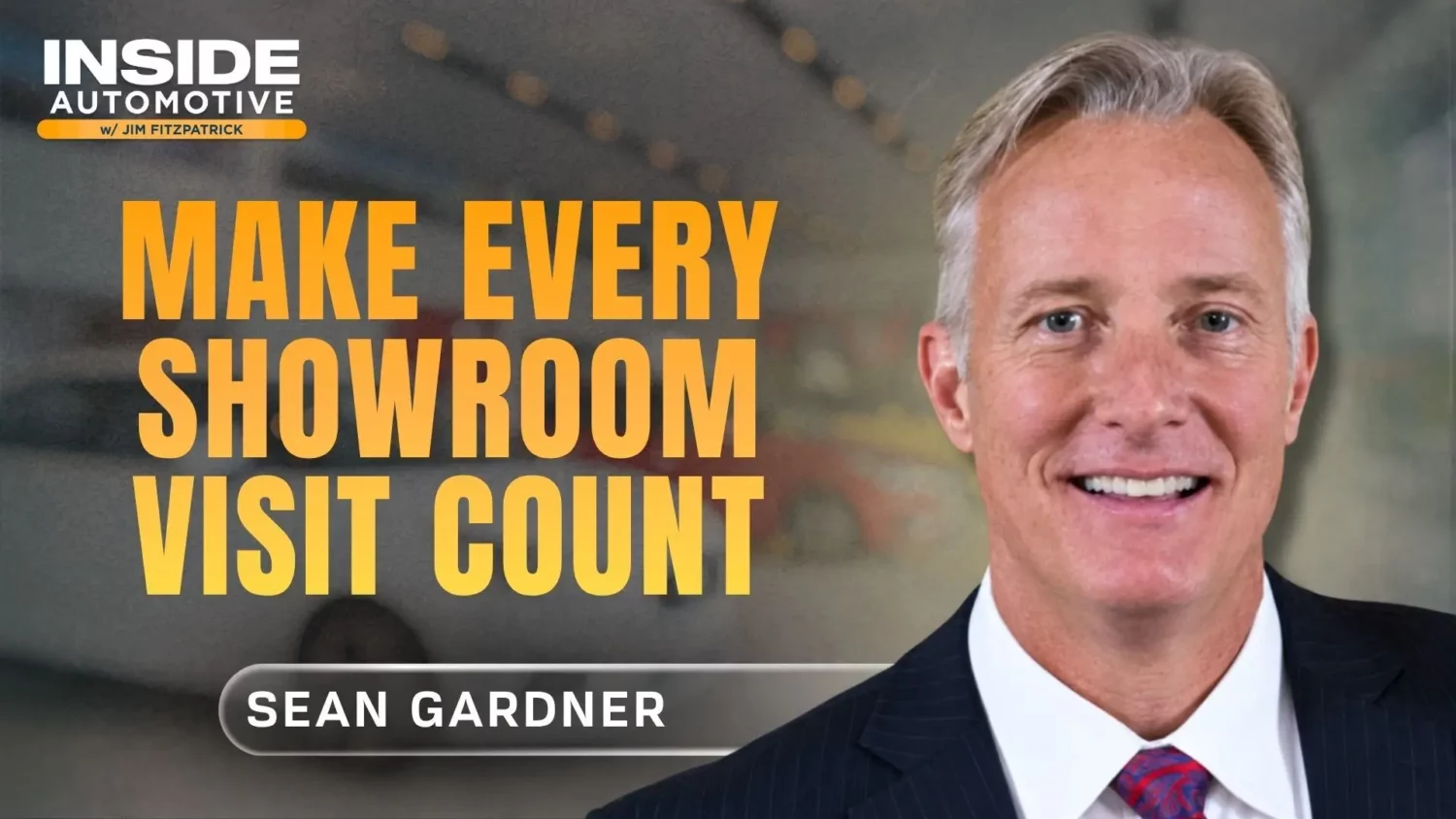
Converting digital leads into actual showroom traffic remains one of the biggest challenges in automotive retail. On today’s episode of CBT Now, Sean Gardner, instructor and sales trainer at the Joe Verde Group, breaks down how Joe’s “either-or” questions can help salespeople overcome common roadblocks, build engagement, and transition online interactions into real-world sales opportunities.
Gardner begins by addressing a frustrating yet familiar scenario: a digital lead appears interested, an appointment is scheduled, and then the customer fails to show. Or worse, a promising lead suddenly stops responding, commonly referred to as “ghosting.” This is where Joe Verde’s “either-or” technique comes into play.
The “either-or” strategy involves posing a question but offers two simple choices to guide the customer. For example, rather than asking, “When can you come in?”, Gardner suggests, “Can you come in right now, or would later this afternoon around four work better?” This removes the need for the customer to overthink and makes it easier for them to engage. Gardner explains that these types of questions serve two core purposes:
- They help lead the conversation in a positive, structured direction.
- They foster more meaningful engagement with the customer.
While many salespeople already use either-or questions on the phone or the lot, Gardner believes they are underutilized in digital communications, where leads are most likely to fall through.
“We’re making this harder than it has to be.”
Gardner also urges salespeople to transition “online to on-phone” as quickly as possible to let their personality and professionalism shine through. For instance:
“Thanks for the inquiry. What’s the best number to call you at? Can I call you right now, or would a few minutes from now work better?”
This not only creates a stronger connection but also gives the salesperson more control over the sales process.
Further, the either-or approach is especially valuable when handling pricing inquiries. Gardner cautions against rushing to send out the best price by email, noting that 96% of customers who receive a price will shop it. Instead, he recommends creating engagement first. Such as:
“The price depends on a few things, like whether you’re looking for a rebate or special rate. Can I call you right now, or would here in a few minutes work better?”
This also prevents sharing incorrect pricing due to overlooked variables, such as military discounts, first-time buyer programs, or regional incentives.
Gardner shared a number of effective either-or examples throughout the conversation:
- “Are you strictly looking for white, or lighter colors overall?”
- “Are you stuck on a hybrid, or would you consider gas?”
- “Are you calling from your home or cell?”
- “Would you prefer the $100 deductible or zero deductible?”
- “Would you like to go 50 months, or would 72 work better?”
He even advises managers and F&I professionals to use this technique in the box to help guide product selections and financing options.
Importantly, Gardner warns against using the word “appointment” in conversations, as it can sound too formal or clinical. Instead, he recommends asking, “What would be a good time for us to get together?” This aligns with what he says 71% of customers want to buy from someone they like.
By using either-or questions throughout every stage of the sales process, Gardner says salespeople can eliminate confusion, reduce no-shows, and boost their close rates. The goal, he emphasizes, is not just to get a response, but to move the sale forward, one choice at a time.