Shoppers who say they are just looking are often treated as people who are not ready to buy. Most of them will buy, and they now visit only one or two stores before they do. Dealerships that treat every shopper as a buyer and follow a steady sales process keep more of those deals.
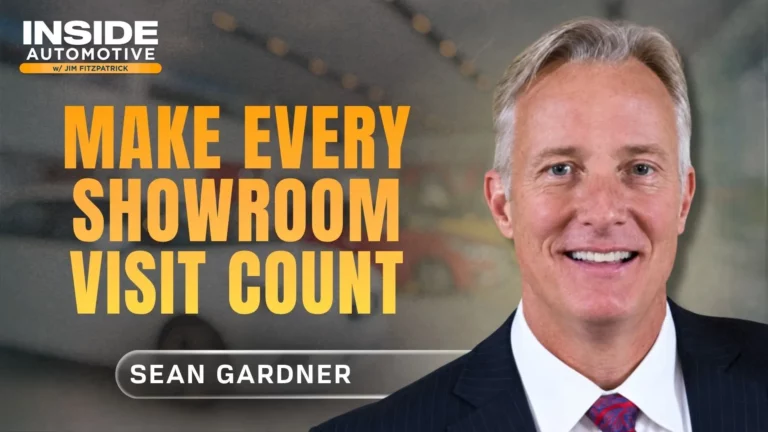
On a recent episode of Inside Automotive, Sean Gardner, Instructor and Sales Trainer at the Joe Verde Group, explains how to move a shopper from browsing to delivery. He also covers why ongoing training pays off in gross.
Why ‘Just looking’ is a buying signal
Shoppers who say they are just looking are buyers, Gardner said. He cited Joe Verde Group figures showing 78% of customers who walk into a dealership will buy. Of those, 85% decided to buy before they arrived, he said.
"Give me the person that says, ‘I’m just looking.’ Because what they’re looking for is they’re looking eventually to buy a car.”
Shoppers also visit fewer stores than they once did. The average customer now goes to only one or two dealerships before buying, Gardner said. A salesperson who brushes off the line likely hands the sale to a competitor.
Gardner also said a customer may be shopping for the right salesperson as much as the right car. That makes the first meeting an opportunity. When a manager accepts “they’re just looking” and tells the salesperson to cut the customer loose, a buyer walks out the door.
Let the demo do the work
Gardner said the right response is to let the line roll off and keep smiling. He recommends a simple reply, he says he learned from Joe Verde, “Well, that’s great. Maybe I can answer a few questions while you’re here.”
From there, the salesperson needs to slow down. Gardner said salespeople, himself included, tend to rush into sell-a-car mode, especially on Saturdays. The better path is to build rapport, help the customer feel comfortable, investigate needs and hot buttons, and narrow the choice to one car.
Customers sometimes repeat the line as they get closer to a decision. Gardner said that is a good sign.
Regardless of what the customer says, the salesperson should still grab the keys, pull the car from stock, and give a full presentation and demonstration. Gardner puts the share of the buying decision made in the demo at 80%.
The close follows from there. The salesperson recaps what the customer asked for, such as all-wheel drive, a favorite color and a trim level, then asks whether the car will be registered in one name or two. Gardner added that buyers can still have questions and objections, and the salesperson still has to review the numbers and options.
Training is a source of gross
Better training can lift the output of salespeople who already perform, Gardner said. Moving a 15-car salesperson to 20 adds five units a month, or 60 a year. At $3,000 a deal, that is $180,000 in gross for one salesperson, he said.
A store can stay busy without getting ahead. Dealers need to learn to earn a fair profit on each deal, Gardner said.
He recently trained a large Toyota dealership whose CEO wanted more ways to create traffic. Gardner answered with a question about being more effective with the opportunities the store already gets.
Gardner said the basics still apply, whatever digital has done to the showroom. Customers who walk in still need a professional salesperson and a professional manager.