Ford is adjusting its electrification strategy, canceling plans for a fully electric SUV in a move that could cost the automaker approximately $1.9 billion. The decision marks a significant shift for Ford, which has been re-evaluating its approach to electric vehicles amid slowing demand and increased competition.
In this strategic pivot, Ford announced it would not move forward with an all-electric three-row SUV that had already been delayed. Additionally, the company said it will further postpone the release of its next-generation electric pickup truck and reduce its EV-related capital expenditures to 30% of its annual budget. The Detroit automaker also revealed plans to shake up its battery sourcing strategies to better compete with lower-cost Chinese rivals.
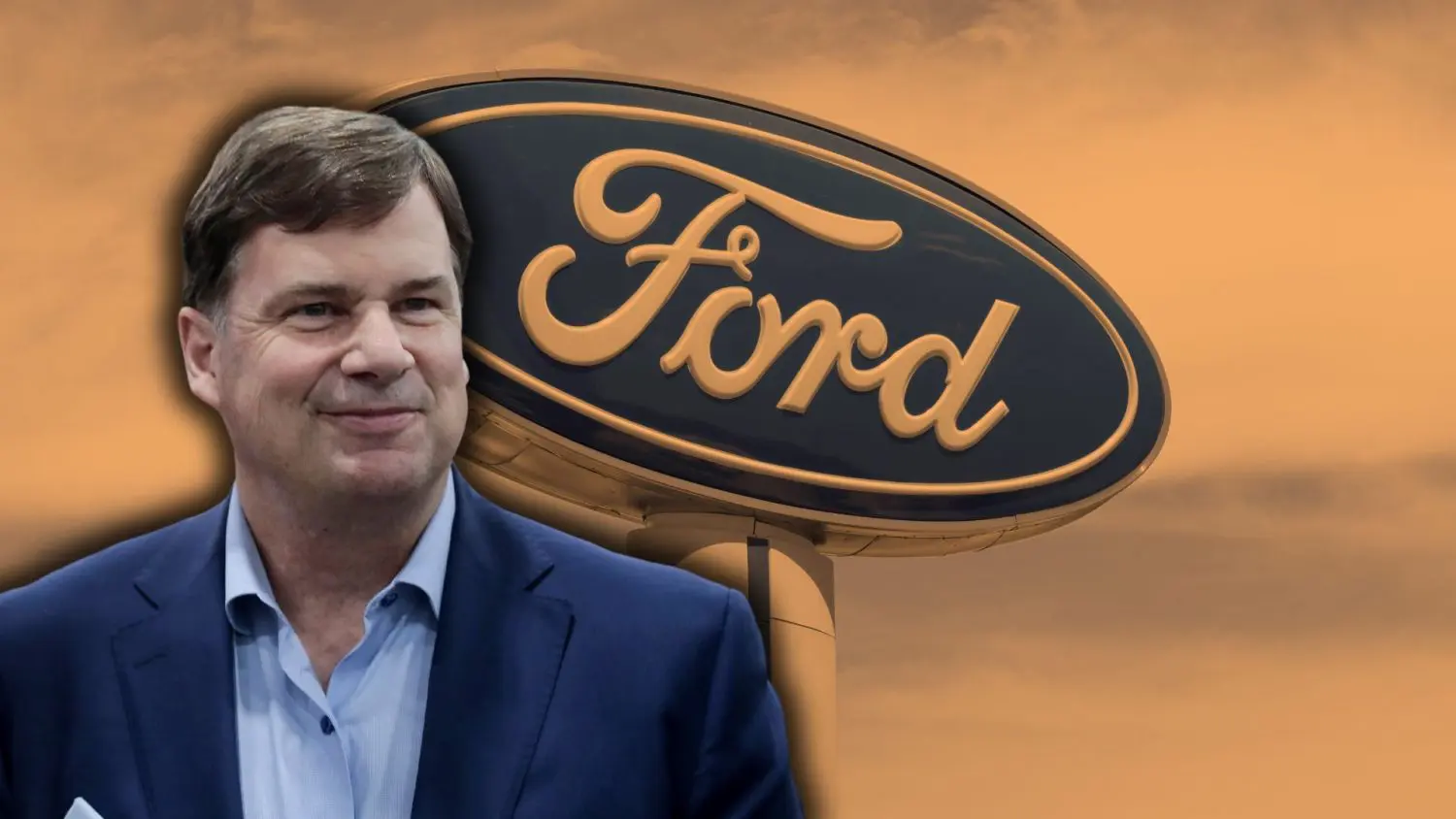
CEO Jim Farley initially accelerated Ford’s transition to EVs. However, with industry-wide EV sales growth beginning to taper off, the company expects its EV division to lose as much as $5.5 billion this year. Farley emphasized that Ford’s new strategy aims to deliver competitively priced EVs with traditional vehicles, including a new battery-powered midsize pickup truck slated for 2027. He is confident that these models will turn a profit within a year of their launch.
“This is a tremendous pivot for us, and we’re not going to make a tremendous pivot without doing a lot of homework to convince ourselves this is the exact right plan,” Farley stated. “I’m very confident.”
As part of the restructuring, Ford will take a non-cash charge of around $400 million related to the write-down of manufacturing assets that will no longer be used. The Canadian plant that was set to produce the now-canceled electric SUV will instead focus on highly profitable combustion engine-powered pickups. Ford may also incur up to $1.5 billion in additional expenses tied to the cancellation and the shift in powertrain options.
In response to the slowdown in EV demand, Ford is ramping up production of gas-electric hybrid models, which have been more popular with consumers. The company is particularly optimistic about extended-range electric vehicles (EREVs), which use a small gasoline engine to keep the battery charged while driving, allowing for longer range. Ford is considering this technology for its next-generation three-row SUVs after determining that a fully electric version would not be profitable.
Looking ahead, the Detroit automaker plans to produce a new fully electric commercial van in Ohio starting in 2026, followed by two new pickups in 2027. One of these will be a midsize truck based on a platform developed by the former engineering lead of Tesla’s Model Y, and the other will be a next-generation truck built in Tennessee two years later than initially planned.
To improve the financial performance of its EV business, Ford is increasing its U.S.-based battery production to qualify for tax credits under the Biden administration’s Inflation Reduction Act (IRA). The automaker is working with South Korea’s LG Energy Solution to shift some of the battery output for the Mustang Mach-E from Poland to Michigan by next year. Ford’s joint venture with another South Korean company, SK On, will also begin producing batteries for its E-Transit vans earlier than scheduled, starting mid-2025.
Furthermore, Ford will start producing lower-cost lithium iron phosphate (LFP) batteries in Michigan by 2026. This will be the first LFP cell plant in the U.S.; the batteries are expected to qualify for IRA tax credits of up to $7,500 for consumers. Farley noted that the midsize pickup truck powered by these LFP batteries will be cheaper to own and operate than traditional internal combustion engine or hybrid models, calling it a “game-changing product from a cost-of-ownership standpoint.”
As Ford continues refining its electrification strategy, Farley clarified that the company’s approach to any new EV is straightforward: “We don’t approve ’em unless they’re going to be profitable in the first year.” The company plans to provide further updates on its strategy in the first half of next year.