The automotive retail landscape has undergone a significant transformation, driven by technological advancements and changing consumer preferences, which has impacted consumer behavior and compelled dealers to adapt to the new landscape.
The Traditional Car Dealership Model
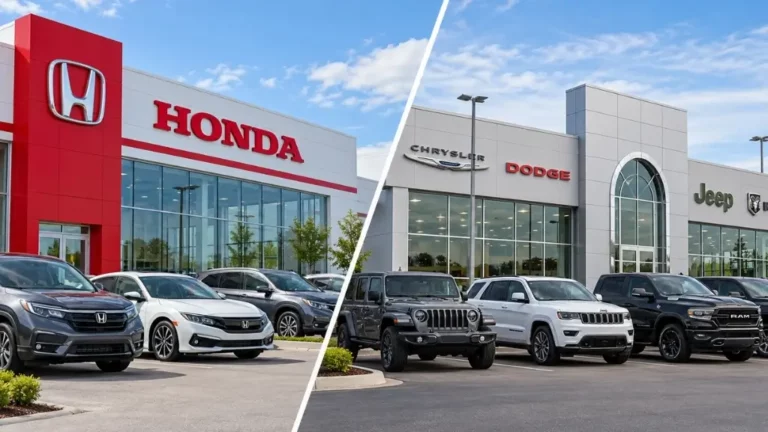
Car dealerships have long been the cornerstone of automotive retail, offering customers a tangible, hands-on experience. Showrooms allow potential buyers to physically inspect vehicles, take test drives, and engage directly with salespeople. This model provides immediate transactions and personalized interactions, which can build trust and customer loyalty.
However, traditional dealerships face inherent challenges, such as limited inventory and geographical constraints. Customers must often travel to multiple dealerships to compare options, which can be time-consuming and inconvenient.
The Rise of Online Marketplaces
The advent of online car sales platforms has revolutionized the industry, providing extensive vehicle inventories accessible from the comfort of home. These platforms leverage technological advancements such as internet connectivity, mobile apps, and virtual showrooms to enhance the buying experience.
Online marketplaces offer numerous benefits, including convenience, a more comprehensive selection of vehicles, and price transparency. Customers can compare prices and features across different models without leaving their homes.
Impact on Consumer Behavior
The shift to online marketplaces has fundamentally altered consumer behavior. Modern buyers prioritize convenience and remote purchasing options, increasingly turning to online platforms for car-buying. The rise of online reviews and research tools has empowered consumers to make informed decisions based on comprehensive data and peer feedback.
Dealer Adaptation Strategies
To remain competitive, traditional dealerships must integrate digital tools into their operations. Virtual showrooms, online financing options, and digital paperwork streamline buying and cater to modern consumer expectations. A practical omnichannel approach, blending physical and digital experiences, can provide a seamless customer journey.
Enhanced customer service is also crucial. Personalized online interactions and 24/7 support ensure that customers receive the assistance they need, regardless of their preferred shopping method. By embracing these strategies, dealerships can retain relevance in an increasingly digital market.
The Future of Automotive Retail
Looking ahead, the future of automotive retail will see further digital integration and the adoption of new technologies. Augmented reality (AR) and virtual reality (VR) will enhance virtual showrooms. With AR, buyers can visualize vehicles in their driveway and customize features in real time, while VR offers virtual test drives from home.
Artificial intelligence (AI) and machine learning will be crucial, offering personalized recommendations and AI-powered chatbots for 24/7 customer support. These technologies will make the shopping experience more efficient and tailored to individual preferences.
Subscription-based services and flexible ownership models will gain traction, offering consumers more access options. Companies like Volvo and Porsche already provide vehicle subscription services, appealing to those who value flexibility over ownership.
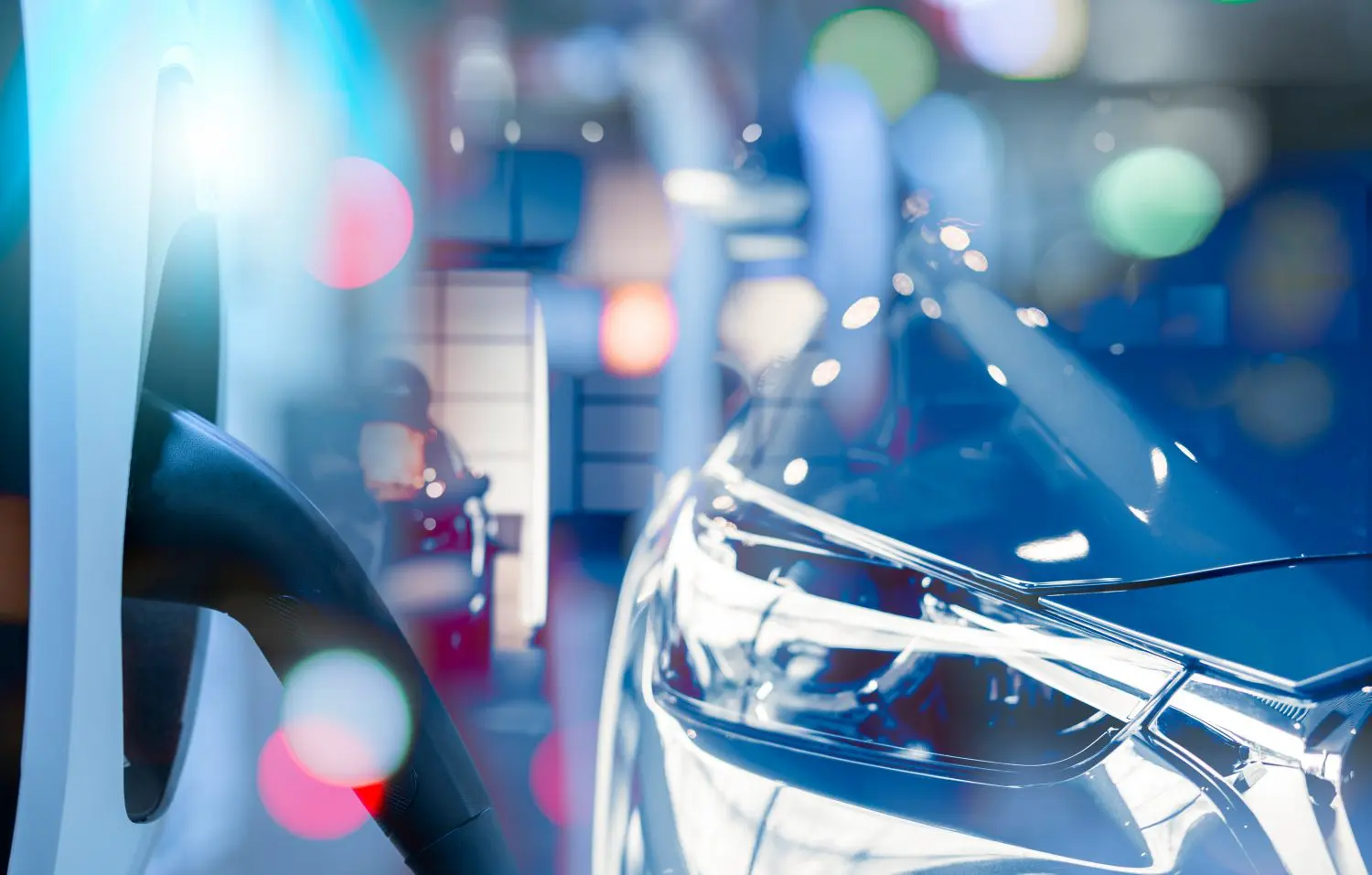
The rise of EVs and autonomous driving technology will also shape the future of automotive retail. As EV adoption increases, dealerships will need expertise in battery technology, charging infrastructure, and government incentives. Autonomous vehicles may reduce individual ownership needs, leading to more ride-hailing and shared mobility services.
Regulatory and industry changes will impact the landscape. Stricter data privacy laws like GDPR and CCPA will require robust data protection measures from dealerships and online platforms to maintain consumer trust.
Continuous adaptation to technological advancements, regulatory changes, and shifting consumer preferences will define the future of automotive retail.
Conclusion
As the industry evolves, embracing innovation and adaptability will be crucial to success. The future of automotive retail promises exciting advancements, making it an exhilarating time for dealers and consumers.