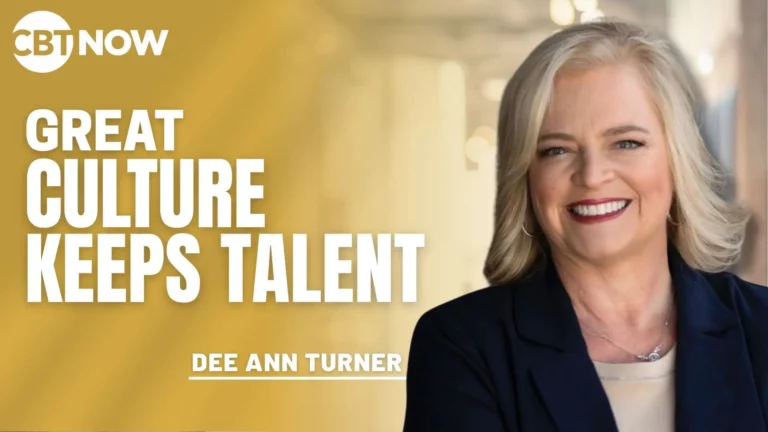
Many salespeople lose control of the deal when customers ask for the “best price.” On today’s episode of CBT Now, Joe Verde Group Instructor and Sales Trainer Sean Gardner shares how salespeople can bypass early price questions, protect gross and focus on delivering a better customer experience.
With the average cost of new vehicles rising each year, salespeople must master closing deals based on value rather than price. Buyers are increasingly savvy, often arriving at showrooms educated about vehicle specs and pricing. When a salesperson is unprepared or uncomfortable handling the “best price” question, early struggles can arise. The consequences are immediate, with an average gross loss of $844 during the first price discussion. By the time the deal reaches the write-up stage, that loss can balloon to $2,062.
Too many salespeople fear losing the deal, which often leads to over-discounting or negotiating too early. But the salesperson’s role is not to negotiate; it’s to warm up the customer, make them feel comfortable and help them select the perfect car that fits their wants and needs.
Gardner shares Joe Verde’s three-step approach to bypassing early price questions without creating friction with the customer.
"My job as a salesperson is to make friends, find wants and needs, and help the customer feel comfortable. And then help that customer pick out that one perfect car."
Step 1: Set aside the question
It’s important to acknowledge the customer’s question so they don’t feel ignored. Acknowledge the question, then quickly pivot the conversation to their needs.
For example: “I appreciate your confidence, but I can barely keep up with where we park all these cars—let alone the prices. Speaking of price, though, were you thinking hybrid of gas?”
Using a phrase like “Speaking of price” signals that the question has been acknowledged. Incorporating light-hearted humor can also ease tension, reducing defensiveness and fostering a friendly rapport.
Step 2: Pivot to the customer’s needs
Follow up with an open-ended question to shift the focus back to identifying the right vehicle and features that match the customer’s requirements. Ask about trim, drivetrain, interior and exterior preferences and intended use.
Step 3: Maintain focus
The primary goal is to help the customer find the perfect vehicle by understanding their wants, needs, and hot buttons. Securing the right vehicle first allows the salesperson to negotiate later without compromising gross.
Once the appropriate vehicle is identified, provide a world-class presentation and test drive to build the vehicle’s value rather than its cost.
Dealing with payment-sensitive customers
This approach also works with customers focused on monthly payments. By acknowledging the question and pivoting quickly, salespeople avoid backing themselves into a corner before the customer has driven or chosen the right vehicle.
Avoiding early pricing conversations
Early pricing discussions are inevitable, but mishandling them can hurt gross and confidence. Verdi’s three-step approach preserves profit, prevents unnecessary concessions, and improves the customer experience by making buyers feel heard without pressure.
Salespeople who master this approach can more easily achieve $150,000 in gross while reducing stress, avoiding conflict, and delivering a superior buying experience.