TSLA345.6202.37%
GM76.730-0.01%
F12.2400.06%
RIVN15.2400.1%
CYD42.8401.56%
HMC24.370-0.13%
TM211.140-3.86%
CVNA326.840-11.97%
PAG155.1501.89%
LAD266.5403.26%
AN200.4203.51%
GPI338.1105.48%
ABG202.0501.37%
SAH67.8301.87%
TSLA345.6202.37%
GM76.730-0.01%
F12.2400.06%
RIVN15.2400.1%
CYD42.8401.56%
HMC24.370-0.13%
TM211.140-3.86%
CVNA326.840-11.97%
PAG155.1501.89%
LAD266.5403.26%
AN200.4203.51%
GPI338.1105.48%
ABG202.0501.37%
SAH67.8301.87%
TSLA345.6202.37%
GM76.730-0.01%
F12.2400.06%
RIVN15.2400.1%
CYD42.8401.56%
HMC24.370-0.13%
TM211.140-3.86%
CVNA326.840-11.97%
PAG155.1501.89%
LAD266.5403.26%
AN200.4203.51%
GPI338.1105.48%
ABG202.0501.37%
SAH67.8301.87%

Auto suppliers reconsider production plans amid Trump’s looming tariff threats

Several suppliers are considering relocating production closer to the U.S. or removing Chinese components to minimize the impact of the imposed tariffs.
Auto suppliers reconsider production plans as Trump’s tariffs threaten costs, pushing companies to explore U.S.-based manufacturing options.

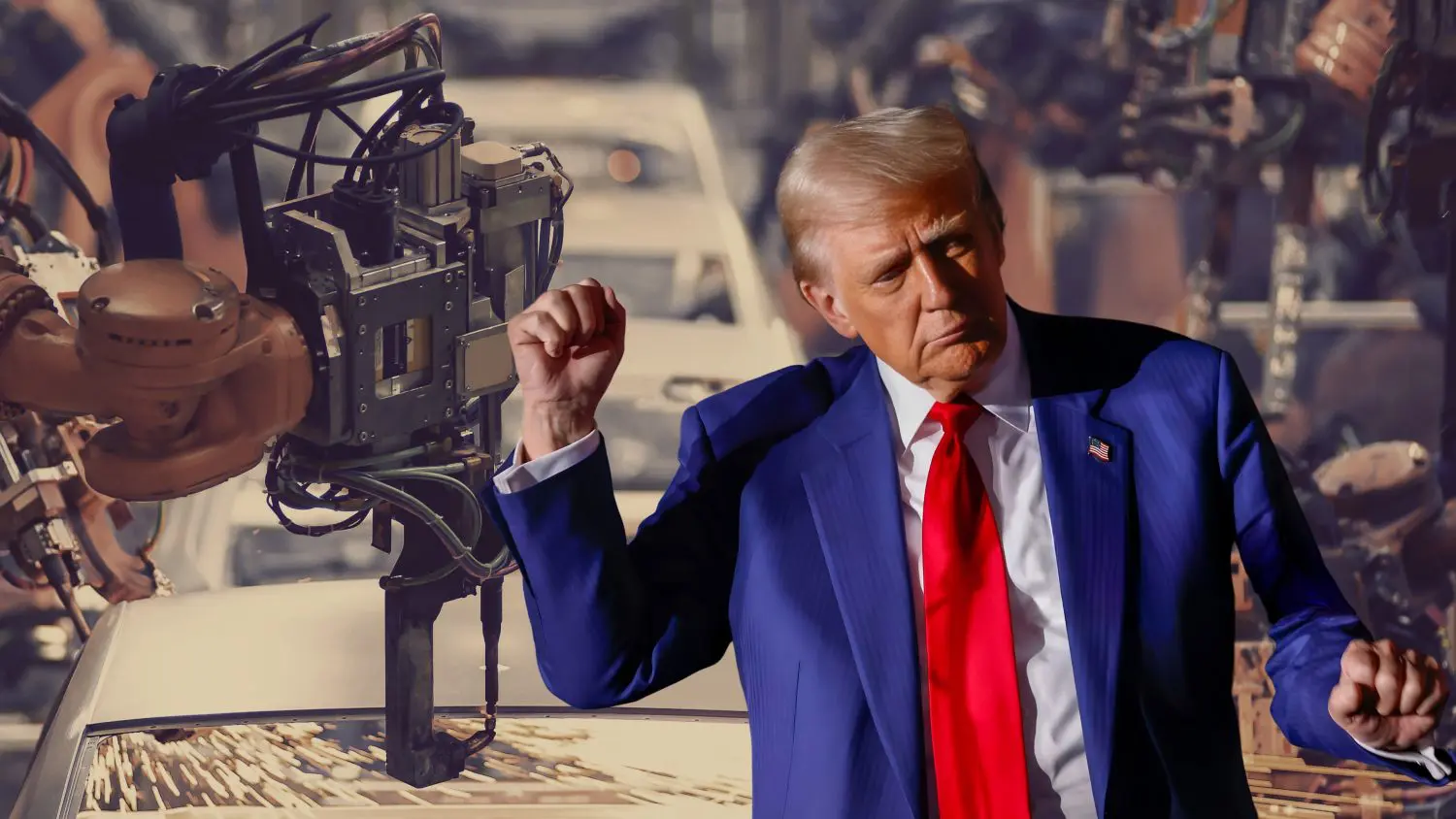
As the auto industry braces for the potential impact of President-elect Donald Trump’s proposed tariffs, global auto suppliers are reevaluating their production strategies.

The impending tariffs–10% on global imports, 60% on Chinese goods, and 25% on imports from Canada–have raised concerns about the viability of maintaining production in lower-cost markets, such as China and Malaysia. As a result, suppliers are starting to explore how they can mitigate these risks.

One of the largest suppliers, Bosch, is looking into relocating some of its production closer to the U.S. to avoid the impact of the tariffs. They’re considering moving operations to Mexico or Brazil, where they already have a presence.  

Other suppliers, such as Continental and Panasonic, are also reevaluating their operations. Panasonic is taking steps to eliminate Chinese components from its U.S.-made batteries to avoid the risks of relying on foreign parts. This change is part of the company’s broader strategy to safeguard its supply chain and maintain its market position in the face of potential tariff hikes.

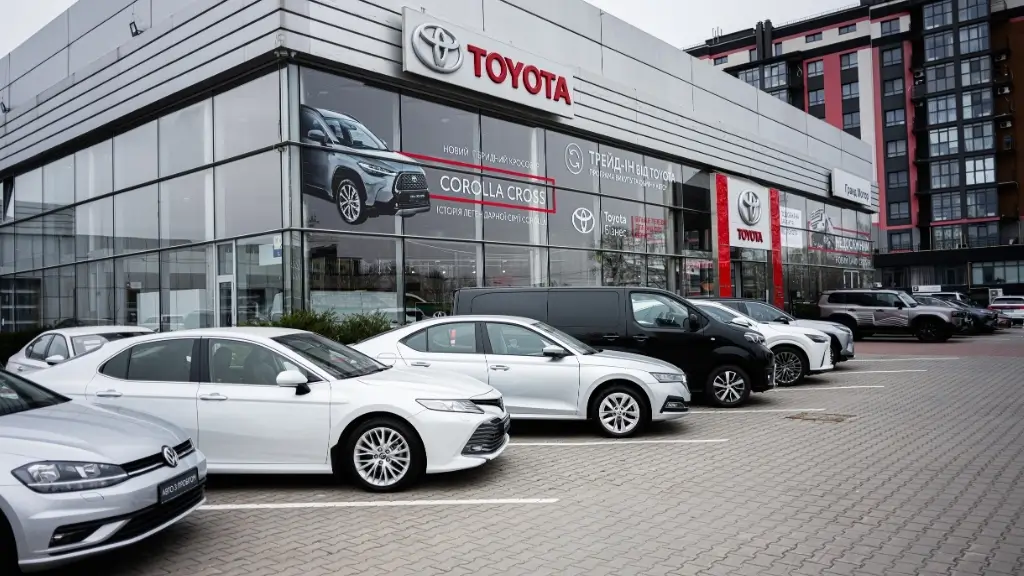
The idea of reshaping supply chains to respond to tariffs is not a new one. During Trump’s first term, similar policies prompted many auto companies to shift production to the U.S. in order to avoid the financial strain of import taxes. A well-known example of this occurred when Toyota moved production of its Corolla sedan from Mexico to Alabama, following Trump’s public pressure on the company to boost U.S. manufacturing.

The COVID-19 pandemic added further urgency to these strategies, as global supply chain disruptions underscored the need for more localized production. Many suppliers have started bringing manufacturing closer to the U.S. to avoid delays and shortages.

The U.S. Inflation Reduction Act (IRA) also spurred more investment in U.S.-based production, especially in the electric vehicle (EV) sector. However, with Trump pledging to dismantle parts of the IRA, the future of these incentives remains uncertain.


Read More
More from Articles
Ship.Cars announces strategic partnership with Axe to introduce AI voice automation for logistics (1)

Ship.Cars announces strategic partnership with Axe to introduce AI voice automation for logistics

- April 10, 2026
March 30, 2026 — Ship.Cars, a leading provider of transportation management solutions for the automotive logistics industry, today announced a new partnership with Axe to bring AI-powered voice automation to...
Volkswagen to halt U.S. production of ID.4 as EV demand softens

Volkswagen to halt U.S. production of ID.4 as EV demand softens

- April 10, 2026
On the Dash: Volkswagen will stop producing the ID.4 at its Chattanooga, Tennessee, plant in April 2026, marking a major shift in its U.S. EV strategy. The move reflects broader...
Kia targets U.S. pickup market with hybrid truck launch by 2030

Kia targets U.S. pickup market with hybrid truck launch by 2030

- April 10, 2026
On the Dash: Kia will launch its first U.S.-focused pickup by 2030, marking its entry into one of the industry’s most competitive segments. The truck will feature hybrid and extended-range...
Cars.com cuts 11% of workforce, boosts share buyback plan amid cost realignment

Cars.com cuts 11% of workforce, boosts share buyback plan amid cost realignment

- April 10, 2026
On the Dash: Cars.com is reducing its workforce by 11% as part of a broader effort to streamline operations and control costs. The company increased its share repurchase authorization, signaling...
CBT News
Privacy Overview

This website uses cookies so that we can provide you with the best user experience possible. Cookie information is stored in your browser and performs functions such as recognising you when you return to our website and helping our team to understand which sections of the website you find most interesting and useful.