On the Dash:
- Washington’s bipartisan stance against Chinese automakers continues to strengthen, signaling long-term trade restrictions.
- Dealers could see continued protection from low-cost Chinese vehicle competition in the U.S. market.
- National security concerns tied to connected vehicle technology are becoming a larger factor in future automotive policy.
Two U.S. House lawmakers are introducing bipartisan legislation to permanently tighten restrictions on Chinese automakers and connected vehicle technology in the United States, citing national security and supply chain concerns.
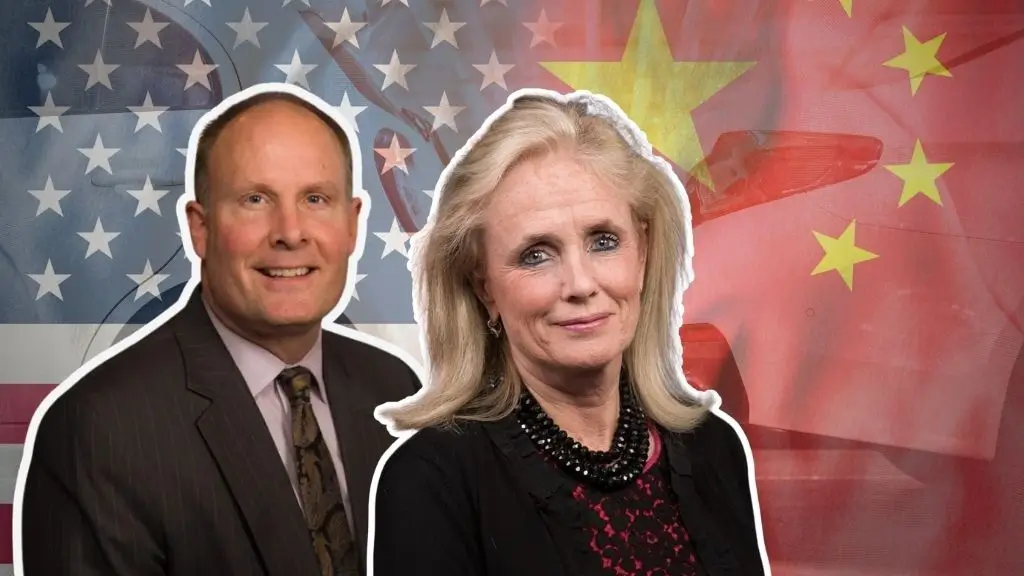
Reps. John Moolenaar and Debbie Dingell plan to introduce the measure Monday ahead of President Donald Trump’s trip to China for trade discussions.
Targeting Chinese vehicle software
The legislation would codify regulations imposed by the Biden administration in January 2025 that effectively blocked Chinese automakers from selling passenger vehicles in the United States due to concerns tied to connected vehicle technology and consumer data collection.
The proposal would specifically ban vehicles designed in China that contain advanced connectivity systems or vehicle software. Lawmakers argue the technology could allow sensitive information on American drivers and infrastructure to be collected or accessed by foreign entities.
Bipartisan push
The House bill follows similar bipartisan legislation introduced in the Senate last month by Bernie Moreno and Elissa Slotkin.
Pressure to keep Chinese automakers out of the U.S. market has intensified in recent months. In March, major auto trade groups representing nearly every major automaker, suppliers, and dealers urged the federal government to continue blocking Chinese vehicle manufacturers from entering the American market.
The coalition, which includes companies such as General Motors, Volkswagen, Hyundai, and Toyota, warned that China’s efforts to expand its global automotive footprint pose risks to U.S. competitiveness, national security, and the domestic automotive industrial base.
Auto tensions deepen
Chinese-made vehicles already face steep U.S. tariffs, though global consumer interest in lower-cost Chinese EVs has continued to grow.
Trump previously said in January that he would consider allowing Chinese automakers to build vehicles in the United States, though the latest legislation signals continued bipartisan resistance in Washington to broader Chinese automotive expansion.
China’s embassy in Washington criticized the proposed restrictions, urging the United States to stop using national security concerns to justify what it described as discriminatory and exclusionary trade measures.