On the Dash:
- Used cars under $20,000 fell from 49.3% of the market in 2019 to 11.5% today, according to a new iSeeCars study
- Passenger cars saw the steepest jump, with average prices up 48.7% since 2019
- Many formerly affordable used models like the Honda Civic, CR-V and Toyota Camry are now priced above $20,000
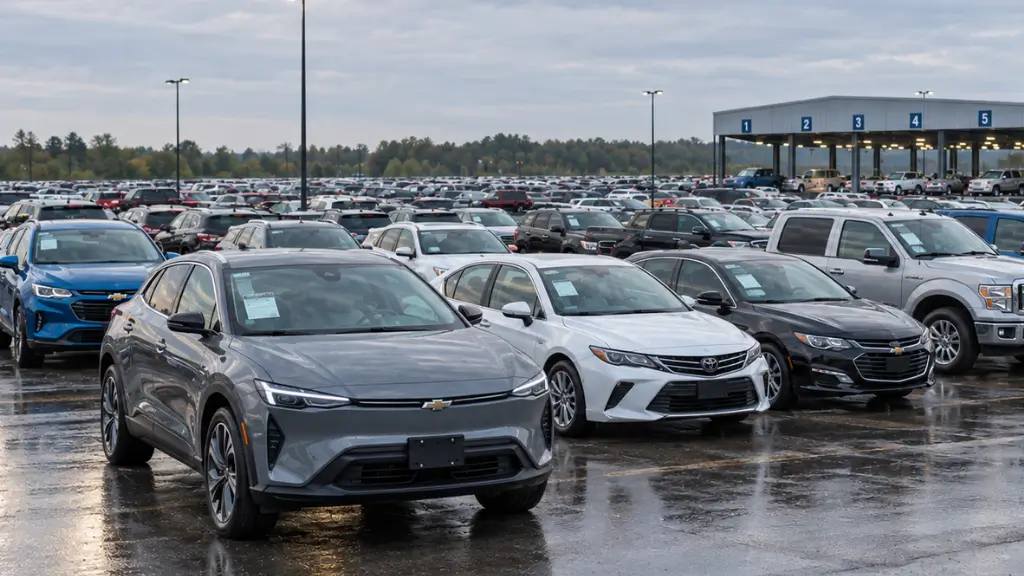
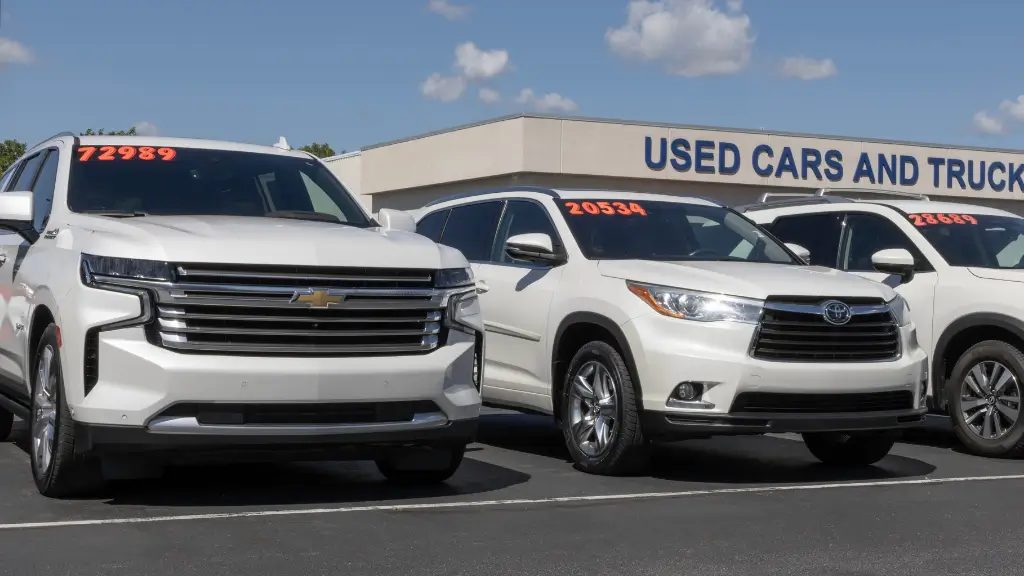
The affordable used car is disappearing, and dealers serving budget-conscious buyers have far fewer vehicles to sell. A new iSeeCars study of over 2.6 million 3-year-old used cars found that vehicles priced under $20,000 made up just 11.5% of the market in 2025. In 2019, that share stood at 49.3%, and the average price of a 3-year-old used car has climbed 40.9% since then, from $23,159 to $32,635.
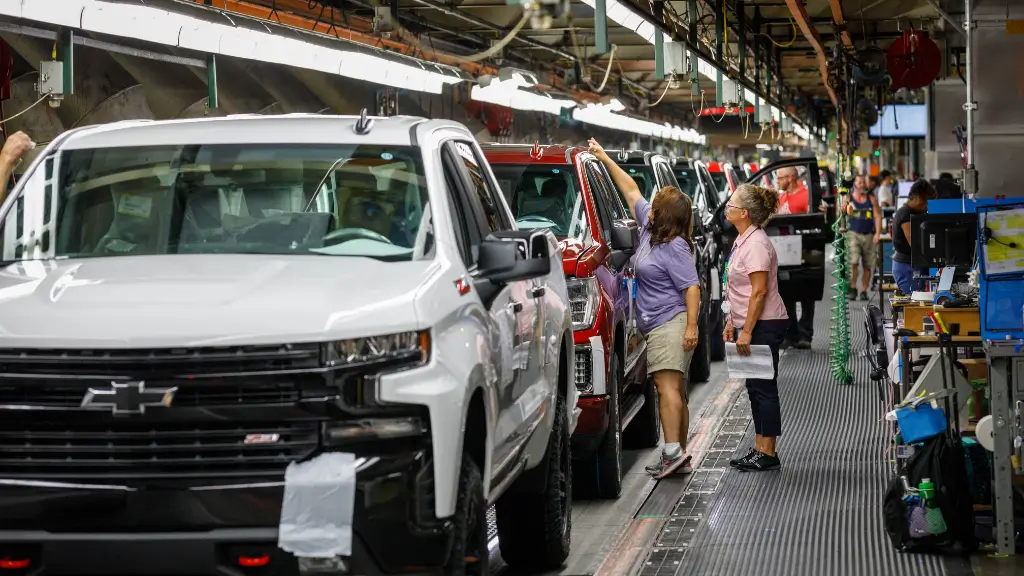
The shift traces back to pandemic-era production cuts that thinned out the used car supply now hitting dealer lots. Used car prices have also been rising for three straight months, with no sign of a correction.
“The pandemic may be a fading memory, but the lack of new car production five years ago has created a ‘pandemic hangover’ effect for today’s used car market,” said iSeeCars Executive Analyst Karl Brauer in the company’s study.
Where the used-car market moved
In 2019, the sub-$20,000 range was the largest price bracket for 3-year-old used cars, but that’s no longer true. The $20,000 to $30,000 range now leads, accounting for 43% of the market in 2025, up from 32.7% in 2019.
Passenger cars absorbed the biggest hit, with average prices up 48.7% since 2019, compared with 28.8% for trucks and 15.4% for SUVs. In 2019, 70.7% of 3-year-old passenger cars sold for under $20,000. That figure has dropped to 28.1%. SUVs saw an even steeper falloff, with their sub-$20,000 share down 79.3%.
According to Brauer, the change in pricing greatly limited access to newer used cars for those with a $20,000 budget. In 2019, he said that those buyers could afford about half of the 3-year-old used cars available, but now that same budget only allows them to purchase 11.5% of those vehicles.
Formerly affordable models disappearing
Additionally, the pricing change significantly affected some of the industry’s top-selling models. In 2019, 42.9% of 3-year-old Honda CR-Vs and 44.3% of Toyota RAV4s were sold for under $20,000. Today, both models are almost entirely priced above that mark. For instance, the Honda Civic’s proportion dropped from 97.6% to just 5.7%, while the Toyota Camry’s dropped from 96.7% to 8.3%.
The study also reported that every one of the nation’s 50 largest metro areas saw a substantial drop in the share of sub-$20,000 used cars. Boston-Manchester posted the steepest decline, falling from 45.1% to 6.5%, with Miami-Fort Lauderdale seeing the smallest drop, though its share still fell from 54.6% to 20.8%. Moreover, Atlanta landed in the middle, dropping from 49.4% to 11.2%.
Nevertheless, dealers stocking budget-friendly used inventory have a much smaller pool of vehicles to pull from than they did six years ago. It’s the latest data point in a broader affordability squeeze that’s been reshaping both new and used vehicle shopping.