On the Dash;
- FTC will no longer pursue disparate-impact claims under its stated Section 5 policy.
- Certain dealer compliance obligations tied to past disparate-impact analyses are being modified.
- ECOA disparate-treatment enforcement remains in place.
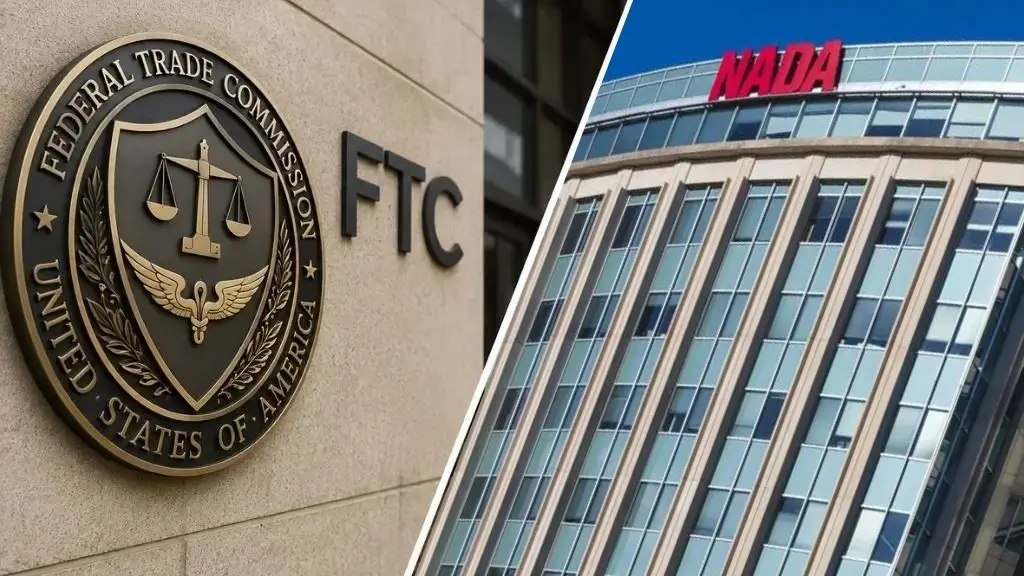
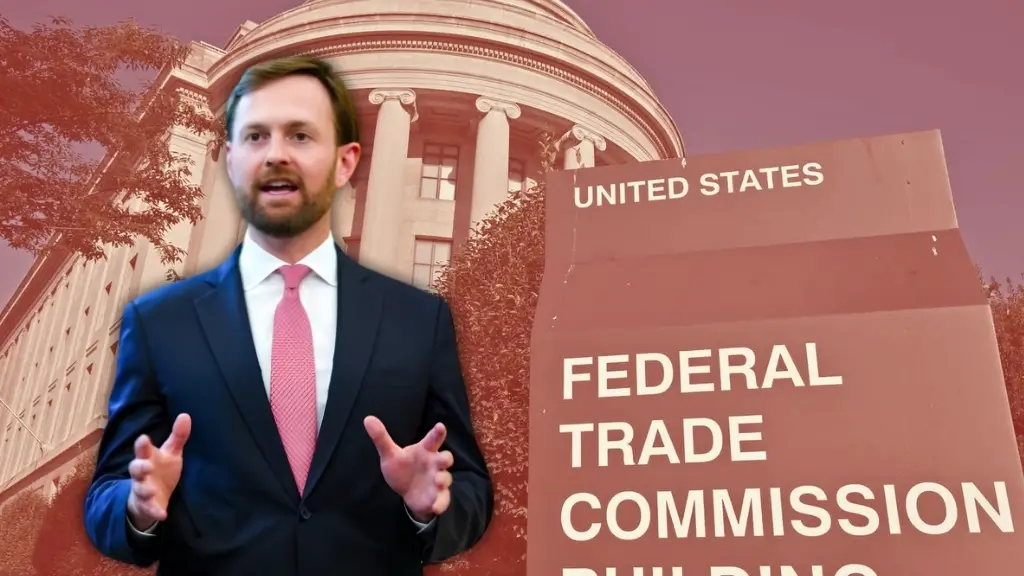
The Federal Trade Commission (FTC) announced on Friday, August 7, 2026, that it will no longer pursue legal claims based on disparate-impact or “unfair discrimination” theories under Section 5 of the FTC Act. As part of this policy shift, the Commission modified existing compliance obligations for three automotive businesses previously subject to statistical disparate-impact requirements.
The FTC voted 2-0 to approve the policy statement following a 2025 executive order that instructed federal agencies to limit disparate-impact liability.
Chairman Andrew N. Ferguson stated that the agency lacks statutory authority to penalize businesses without proof of intentional discrimination. In distinguishing the two legal frameworks, the FTC noted:
- Disparate Impact: Presumes that statistical differences in outcomes across demographic groups constitute unlawful discrimination, even when a business maintains neutral policies and lacks discriminatory intent. The Commission warned that this approach forces companies to make race-based decisions simply to avoid regulatory action.
- Disparate Treatment: Prohibits intentional discrimination against protected groups, which the FTC will continue to prosecute under federal fair-lending laws.
Ferguson said in a statement, “Disparate-impact claims are nearly impossible to square with our colorblind Constitution.” He added, “They impose liability for discrimination without any evidence that anyone intended to discriminate, which pushes businesses to make race-based decisions in order to avoid liability. The Commission never had authority to impose disparate-impact liability. Today, we announce that the Commission will never do so again.”
Impact on dealers
This decision removes disparate-impact liability as an active enforcement tool for the FTC, altering how federal regulators monitor financing and sales practices.
However, the change does not relieve dealerships of their core compliance responsibilities. The FTC explicitly maintains its authority to enforce fair-lending and consumer-protection statutes against intentional misconduct. Dealerships must continue reviewing their F&I, markup, lending, and sales procedures to prevent intentional disparate treatment.