On the Dash;
- Mercedes maintained its 2026 margin outlook despite weaker sales and revenue guidance.
- China remains the automaker’s biggest headwind, with deliveries down 30% and a €704 million write-down.
- New EV and luxury model launches in the second half will be critical to restoring momentum.
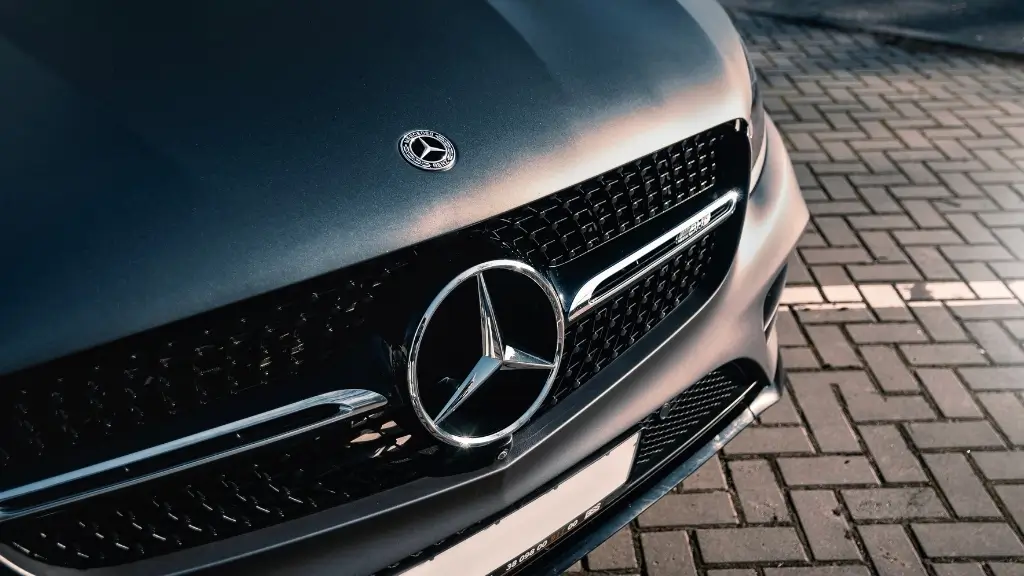
Mercedes-Benz reported a second-quarter adjusted return on sales of 4% in its passenger car division, surpassing analyst expectations despite a decline in deliveries and revenue. Cost-cutting measures, reduced research and development spending, and stronger financial services results helped offset the impact of weaker vehicle sales. Shares rose by more than 5% in Frankfurt trading following the earnings release.
According to the automaker, it revised its full-year revenue and vehicle delivery forecasts, citing the negative development of the Chinese market, where sales plunged 30% in the second quarter. The results also included a €704 million write-down tied to Mercedes’ Chinese equity investments, an accounting charge that did not affect the company’s adjusted operating profit or produce a cash outflow during the quarter.
Notably, CEO Ola Källenius committed to further cost reductions, particularly in Germany, in response to the slowing demand in Mercedes’ largest luxury market.
Mercedes is banking on refreshed versions of the S-Class, GLE, GLS, and the new electric GLC SUV to drive sales in the second half of the year. The company raised its forecast for electrified vehicles, now predicting they will account for 23% to 25% of total sales this year, up from a prior forecast of 21% to 23%. This reflects confidence in Mercedes’ newer EV models, despite weaker-than-expected demand for earlier EQ products. The electric GLC is expected to play a crucial role as Mercedes competes against rivals including Tesla, BMW, Audi, and Xiaomi.
Vans and financial services
Mercedes-Benz’s Vans division reported an adjusted return on sales of 10.2%, a result that beat the division’s guided range and reflected strong fleet-replacement demand and growing after-sales revenue. The company also generated €1.1 billion in industrial free cash flow, which included €417 million in proceeds from a partial sale of its stake in Daimler Truck.