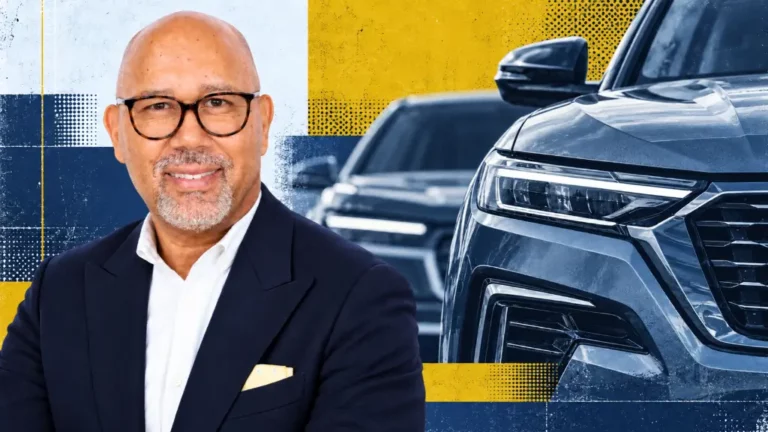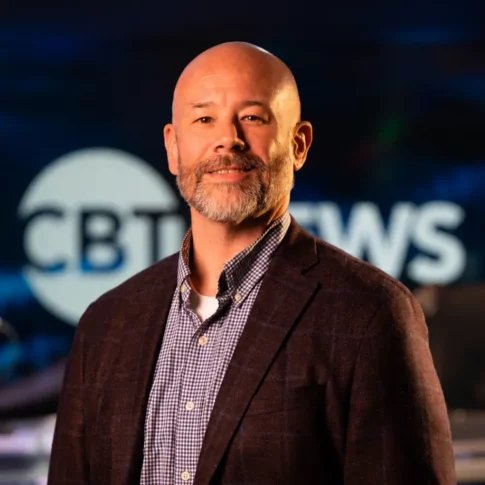
Dealers across the country face several challenges and pressures today, including affordability, competition from direct sales brands, and digital dealers like Carvana. Jim Keffer, CEO of Keffer Auto Group in Charlotte, North Carolina, says navigating those pressures comes down to understanding where the real risk sits and building a strategy that holds up no matter how the market shifts.
Keffer joins us on this episode of Inside Automotive with a closer look at the issues facing the industry, and how his group is responding and positioning itself for success over the next decade.
The biggest threat dealers face
Keffer sees direct sales as the top long-term risk to franchise dealers, with Carvana and other used-car disruptors close behind. Both are reshaping how customers buy vehicles and squeezing inventory availability.
"When the decisions you're making are more about chasing the valuation, it can become uncoupled from the 'how do we sell the most cars and make the most money.'"
Keffer traced Carvana’s rise back to the same playbook Tesla used. Both companies nearly went bankrupt multiple times before becoming dominant, he said, a history that created a barrier most legacy automakers can’t replicate. That gap between reward and risk has pushed some boardrooms toward decisions built around stock valuation rather than dealer profitability, driving manufacturers like Scout and Polestar toward direct-to-consumer models.
Keffer said that focus on valuation can pull manufacturers away from the more practical question of how dealers actually sell cars and make money. That shift is now playing out in franchise law fights state by state, as manufacturers test how far they can push direct sales against existing dealer protections.
A renewed focus on used cars
In a consolidating market, dealer groups either keep growing or eventually get squeezed out. Staying the same size wasn’t an option Keffer wanted. To figure out how to grow without taking on too much risk, Keffer brought in a strategic consultant.
The consultant mapped out different future scenarios using a two-axis framework. One scenario imagined direct sales taking over the market completely. Another imagined franchise dealers holding their ground. A third looked at a shift toward autonomous vehicles, which could end up favoring rental companies over traditional dealers.
That exercise pointed the group toward used cars. Keffer said it’s the area where dealers keep the most control, no matter how the broader market shifts. OEM rules still shape parts of that business, including minimum requirements for certified pre-owned sales, but dealers have far more flexibility there than they do with new cars.
The threat from China
Chinese vehicles are another threat, and one of the hardest problems for the industry to solve, Keffer said. Automakers face heavy legacy costs from labor and pensions that lower-cost foreign competitors don’t carry, making it difficult to compete on price alone.
Keffer distinguished this threat from ordinary foreign competition due to the Chinese government’s direct involvement in those companies.
That doesn’t mean Keffer would rule out selling Chinese vehicles if U.S. regulations allowed it. He said dealers carry responsibility for a lot of families, and staying in business could require adapting to whatever the market allows. His preference would be to avoid it, but only if the alternative didn’t threaten his ability to keep his teams employed.
What dealers can learn from Carvana
Keffer said dealers can learn something from Carvana’s rise. Buyers who choose Carvana often cite the process over the price, since they can skip a dealership visit entirely and get a vehicle delivered. Many customers assume they could negotiate a better deal in person, but Keffer said the convenience outweighs those potential savings for a lot of buyers.
That points to a customer service issue dealers can still close, Keffer said. He noted that Carvana’s Google rating in his local market sits at 3.8, lower than most franchise dealers in town, suggesting the process isn’t as flawless as its reputation implies.
"I tell my friends all the time, kind of jokingly, that you can have the Carvana experience at our dealership. All you have to do is say, I'd like to pay sticker, and they will make it very fast and friendly and you can be out of there."
Keffer said dealers can offer a similarly fast experience simply by letting customers pay sticker price without the usual back-and-forth, though culture and customer expectations make that a harder sell at a franchise store.
Rather than copying Carvana’s model directly, Keffer said dealers are better served by staying flexible. He pointed to targeted promotions and discounts as a way to compete on value while still keeping the option to negotiate.
New car sales and acquisitions
Despite affordability pressure and global instability, new vehicle sales have held up. Keffer pointed to a seasonally adjusted annual rate of 16.2 to 16.3 million as evidence the industry hasn’t collapsed under that weight.
The average vehicle on the road is now 13 years old, up from 11, pushing more buyers back into the market. Keffer also pointed to a widening gap between higher- and lower-income buyers, with wealthier customers continuing to purchase cars at a steady pace.
Buy-sell activity has stayed strong too, a sign of confidence despite the risks. His group is pausing acquisitions through the rest of 2026 to finish integrating four stores bought over the past couple of years, with expense control the priority until then. Keffer said he’s open to resuming deals as early as the first quarter of 2027.