Car dealers are grappling with shrinking margins and a widening affordability crisis. At the same time, AI tools are reshaping how customers shop, often letting them skip a dealership’s website altogether. One dealership group is adapting to these challenges by shifting focus. Instead of chasing new-car volume, The Niello Company is leaning harder into used vehicles, tightening its F&I process and building a system to buy more cars out of its service lanes. The California-based dealership group says the shift is showing results with record months of F&I performance.
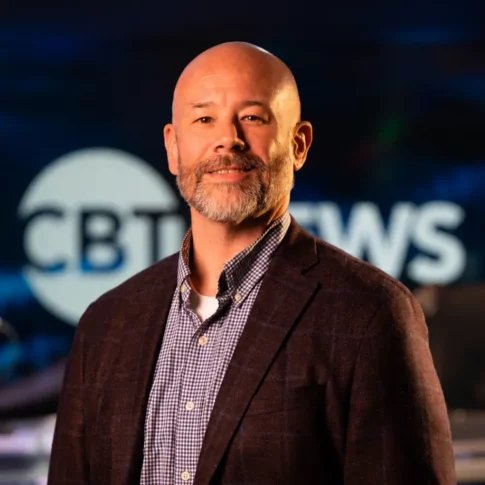
Joining us on this episode of Inside Automotive is Dennis Gingrich, Sales and Finance Director at The Niello Company. Gingrich says dealers need to change along with consumer habits. That’s why his stores shifted to a one-price model for used cars, and he says the move is steadying the business while also addressing FTC pricing concerns.
Shifting focus to used car deals
At The Niello Company, new-car volume fell from about 500 units per month last year to roughly 350 in June. Gingrich blames the decline on automakers resetting their lineups after overinvesting in EVs, as well as growing affordability concerns. To offset the drop, Gingrich says his finance managers sharpened their focus on used car transactions. He notes that he wants every used deal treated with the same urgency as a new-car sale.
"New really does pay the bills and drives a net profit. But we've really been leaning into our used car operations."
That mindset extends to how his team talks to customers. A vehicle may have had previous owners, but Gingrich says every purchase still feels new to the person buying it, and his staff needs to remember that.
Changing the mindset on selling EVs
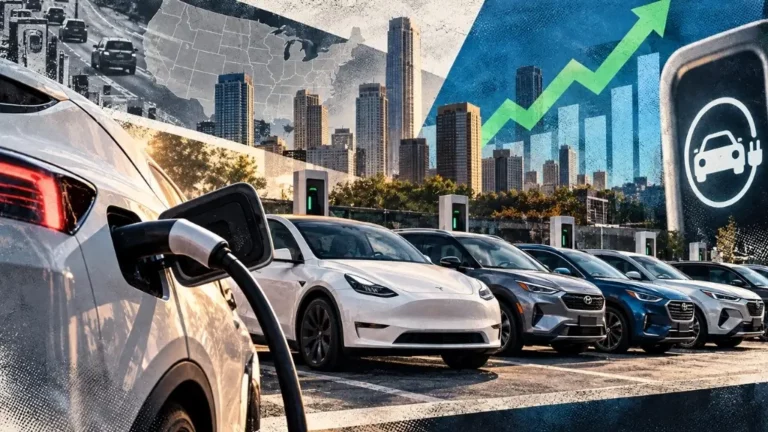
Consumers are still buying EVs in California, but the federal tax credit’s expiration slowed demand. Like many other EV dealers, Gingrich says The Niello Company saw a noticeable drop in EV sales once that $7,500 credit went away. According to Gingrich, the credit’s biggest impact wasn’t drawing in new buyers, but making a second vehicle more affordable for households that already owned one.
That distinction matters for how dealers and salespeople approach lease and purchase incentives going forward. Buyers chasing a primary vehicle respond differently than those adding a second car to the driveway, he says.
Adapting to AI-armed consumers
Lead volume across The Niello Company’s brands fell by roughly half in the first quarter compared with a year earlier. Gingrich points to AI-driven consumer research as the cause of the decline. Customers no longer need to call dealerships to ask basic questions, like requesting a vehicle history report, he says. They’ve often already found that information online.
"It's so easy for a customer to say, that's not what Grok told me. So I'm out of here."
Gingrich says that shift changes how dealerships need to train their staff. Salespeople must perform well in person and on the phone, since fewer customers are submitting traditional online leads. Every walk-in or call now carries the same expectations as an internet lead, and customers expect the in-person experience to match what they found online.
Treating the service lane as an acquisition channel
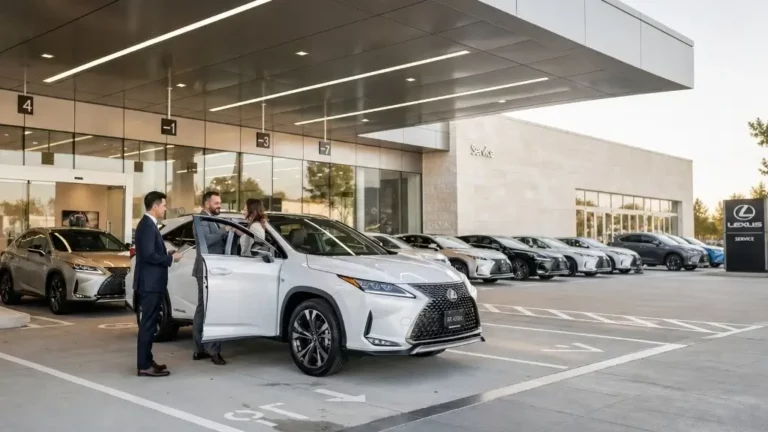
The Niello Company has established a consistent process for purchasing vehicles directly from its own service department. Gingrich says the service team calls every customer the day before their appointment and asks a simple question, whether they’re interested in getting a value on their car while it’s in for service.
According to Cox Automotive data, 33% of service customers will agree to a vehicle valuation during their visit, but only 14% of dealers offer one. Gingrich contends dealerships need a deliberate strategy across every acquisition channel, not just one source.
Ditching doc fees & negotiations
Compliance has long been a priority for The Niello Company. Gingrich says the FTC’s increased scrutiny on dealership pricing practices only sharpened what they were already doing. He notes that The Niello Company’s philosophy is simple. The price customers see online should be what they actually pay. That philosophy led the dealership group to drop its documentation fee in California, even though state law allows dealers to charge up to $85. Gingrich says the fee wasn’t worth the tradeoff once pricing transparency became a bigger priority.
The Niello Company also shifted to one-price selling on its used vehicles years ago. Gingrich says the move simplified pricing and improved their used car business. The shift to transparent pricing, he says, will force dealerships to compete on a level playing field, rather than relying on hidden fees to protect margins.
As dealerships navigate shrinking margins, changing consumer research habits and mounting compliance pressure, Gingrich says adaptability will separate the dealers who thrive from those who fall behind.
For now, The Niello Company’s shift toward used vehicles, tighter F&I processes and proactive service lane acquisitions is paying off with record results.