On the Dash:
- Volkswagen confirmed for the first time that it is evaluating up to 100,000 global job cuts to improve competitiveness.
- Labor representatives continue to oppose deeper restructuring, delaying decisions on potential factory closures and production changes.
- Ongoing cost-cutting efforts highlight the financial pressures legacy automakers face amid tariffs, Chinese competition and EV market shifts.
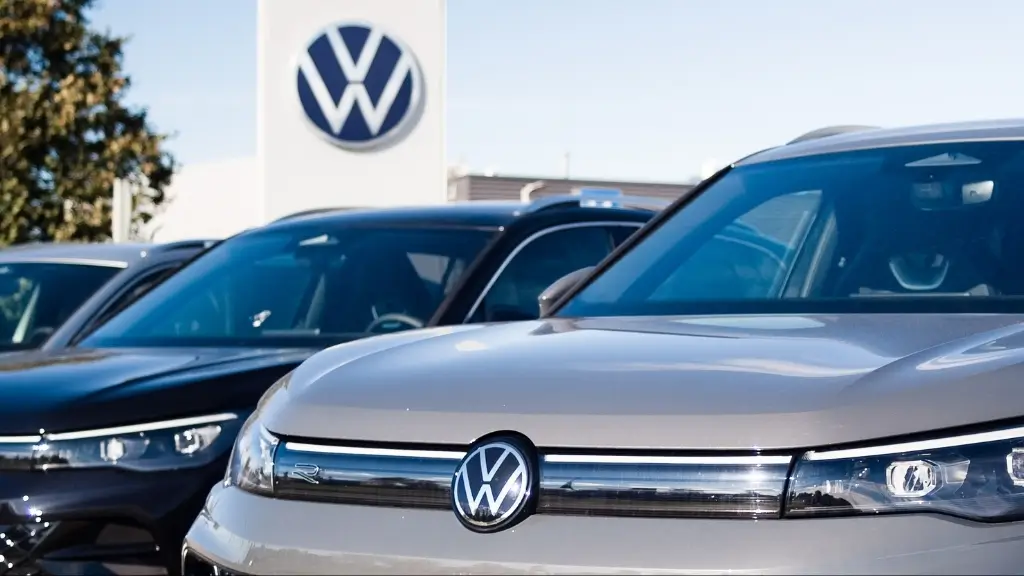
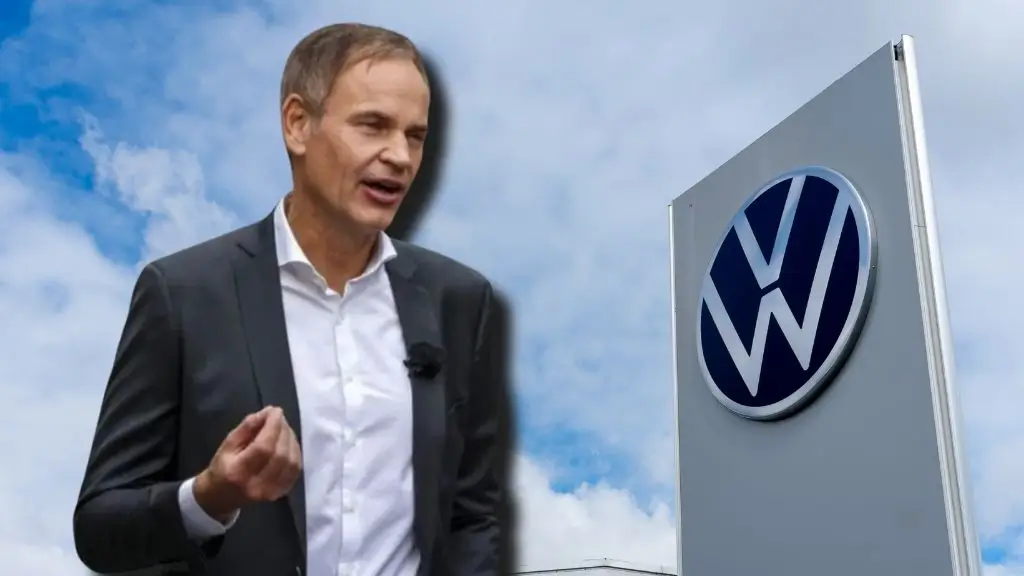
Volkswagen CEO Oliver Blume informed employees that the company may need to eliminate an additional 50,000 jobs. That would bring the total planned workforce reductions to as many as 100,000 positions worldwide, according to a memo seen by Reuters.
The company has already agreed to cut approximately 50,000 jobs across Volkswagen, Audi and Porsche as part of previous restructuring efforts. Blume said Volkswagen faces a 20% cost disadvantage relative to key competitors, and that disadvantage has prompted a review of staffing needs across all brands, business units and global markets.
Tariffs, declining profitability, intensifying competition in China, and underutilized manufacturing capacity in Germany are forcing the automaker to implement further cost cuts. This restructuring highlights the broader challenges that traditional automakers encounter as they strive to balance investments in electric vehicles, global competition, and rising production costs.
By the numbers:
- Up to 100,000 total jobs could ultimately be eliminated worldwide.
- Volkswagen has already committed to cutting about 50,000 positions across the group.
- Management estimates that the company operates with a 20% cost disadvantage compared to similar automakers.
What’s next:
Labor representatives recently blocked management’s proposal for a broader restructuring plan, which included potential job cuts and the possible closure of four plants in Germany. Blume said Volkswagen prefers to pursue “intelligent solutions” rather than closing factories, such as repurposing facilities for defense manufacturing or producing Chinese Volkswagen models in Europe. The automaker will continue negotiations with labor leaders while it refines its plans to reduce production capacity and streamline its vehicle lineup.