On the Dash:
- Volkswagen’s restructuring reflects the growing financial pressure facing legacy automakers as Chinese competition and EV investments reshape the global market.
- Continued cost-cutting could influence future product portfolios, manufacturing locations and investment priorities.
- Dealers should monitor Volkswagen’s strategic direction as restructuring may affect future vehicle availability, pricing and brand positioning.
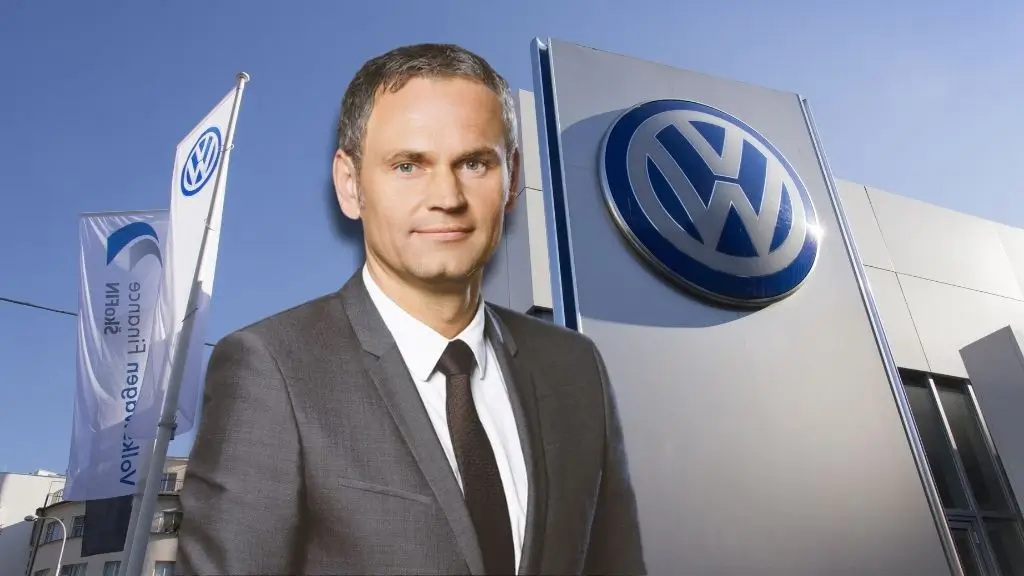
Volkswagen CEO Oliver Blume is seeking approval for a broader restructuring plan that could include up to 100,000 job cuts and the closure of four German factories as the automaker works to restore profitability and improve competitiveness.
Blume has stated that Volkswagen’s traditional business model no longer suits today’s automotive market. While the company aims to achieve an operating margin of 8% to 10% by 2030, following a decline to 2.8% in 2025, it also faces challenges from U.S. tariffs, a slowdown in sales in China, and growing competition from Chinese automakers, such as BYD and Xiaomi.
EV transition adds new challenges
Notably, Volkswagen has increased its investments in EVs after the Dieselgate emissions scandal. Software delays, a slowdown in EV demand, and intense competition in China have hindered the returns on these investments, as Chinese automakers are also expanding their production in Europe, putting more pressure on VW’s underused manufacturing network.
Additionally, VW is assessing the possibility of further workforce reductions, minimizing management layers, and lowering operating costs. The company is also considering streamlining its portfolio by separating certain business units and selling non-core assets. Blume intends to reduce redundancy across Volkswagen’s brands while accelerating decision-making on software, batteries, and electric vehicle development.
Existing restructuring may not go far enough
Previously, VW agreed to eliminate more than 50,000 positions across the group by 2030. Reports suggest management may consider doubling these reductions and revisit factory closures if current cost-saving measures fall short.
As part of its broader restructuring efforts, the company has already sold a majority stake in its Everllence industrial engines business.
Moreover, Volkswagen’s supervisory board includes significant representation from labor unions and the German state of Lower Saxony, which makes it challenging to approve major restructuring plans. The Volkswagen Act also grants Lower Saxony effective veto power over key corporate decisions. However, labor leaders argue that the company should focus on improving its products and software before pursuing further workforce reductions.
What’s to come
Volkswagen’s supervisory board is set to review Blume’s restructuring proposal on July 9. Industry observers expect the discussions to drag on rather than produce an immediate decision, as a final agreement may involve additional voluntary buyouts, reductions in management positions, shifts in production, and further capacity cuts, while the possibility of plant closures remains uncertain.