On the Dash:
- NHTSA has proposed removing the federal mandate for manual brake pedals in vehicles designed to operate exclusively without a human driver.
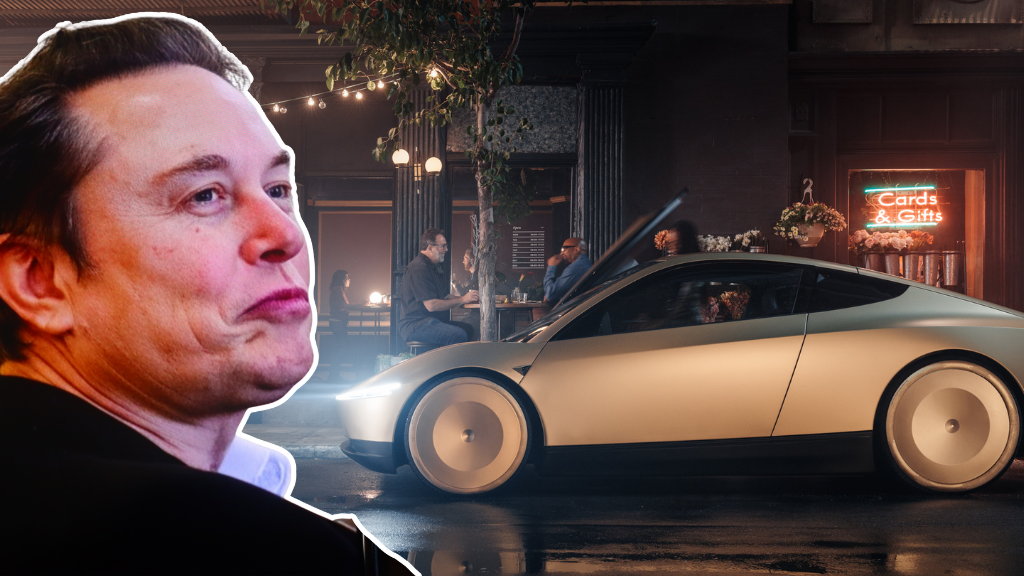
- The change could ease the path for purpose-built autonomous vehicles, including Tesla’s Cybercab, which lacks both a steering wheel and foot pedals.
- The proposal is part of a broader Trump administration effort to modernize federal safety standards for driverless vehicles, with further changes expected to follow.
Federal regulators are proposing to eliminate the brake pedal requirement for fully autonomous vehicles, a move that could significantly accelerate the commercial deployment of robotaxis across the United States.
The Department of Transportation’s National Highway Traffic Safety Administration (NHTSA) proposed changes to Federal Motor Vehicle Safety Standards that would remove the requirement for manual brake pedals in vehicles designed to operate exclusively without a human driver, according to Bloomberg. The change would not apply to other passenger vehicles, which would still be required to have brake pedals.
A long-standing regulatory hurdle
The proposal is part of a broader effort to modernize federal vehicle rules for autonomous driving technology. Current safety standards were written before the development of vehicles designed without steering wheels, pedals or other manual controls, creating regulatory challenges for companies seeking to deploy driverless models at scale.
General Motors (GM) previously faced similar regulatory uncertainty with its Origin autonomous vehicle, which lacked traditional manual controls, citing that uncertainty as a factor in its decision to end work on the vehicle.
Tesla CEO Elon Musk has also been an active voice pushing for federal policy changes to facilitate broader commercial deployment of self-driving vehicles, including lobbying lawmakers in Washington to establish a national regulatory framework for autonomous vehicles.
What it means for the robotaxi market
The proposal is particularly relevant for Tesla, whose Cybercab robotaxi is a two-seat EV with no steering wheel or foot pedals. Tesla launched its robotaxi service last year in Austin with a limited fleet of Model Y SUVs and has since expanded to Dallas and Houston, though its total Texas fleet remains under 100 vehicles. The Autonomous Vehicle Industry Association, which represents companies including Waymo and Amazon’s Zoox, has separately urged lawmakers to establish a broader federal policy framework for driverless vehicles.
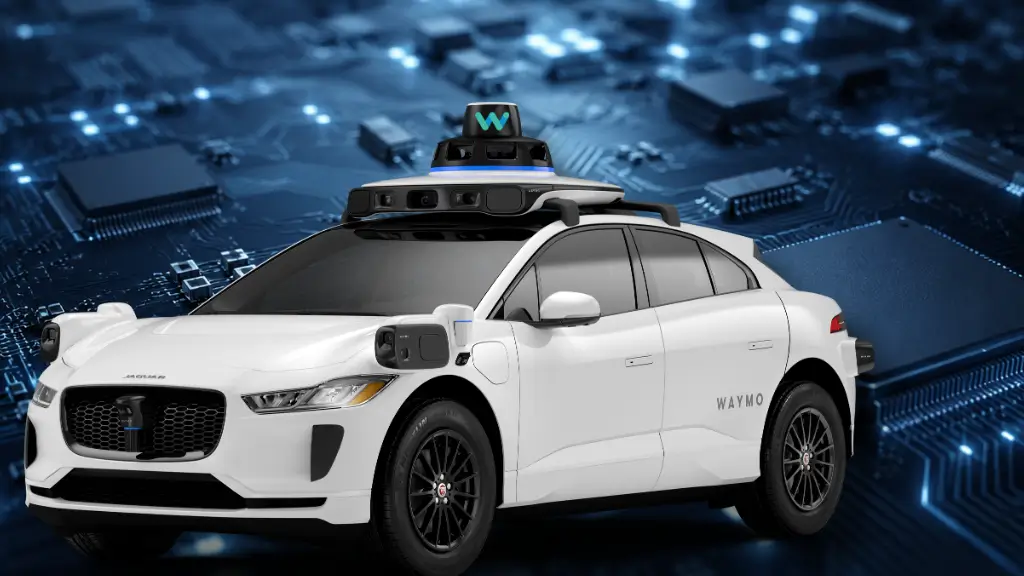
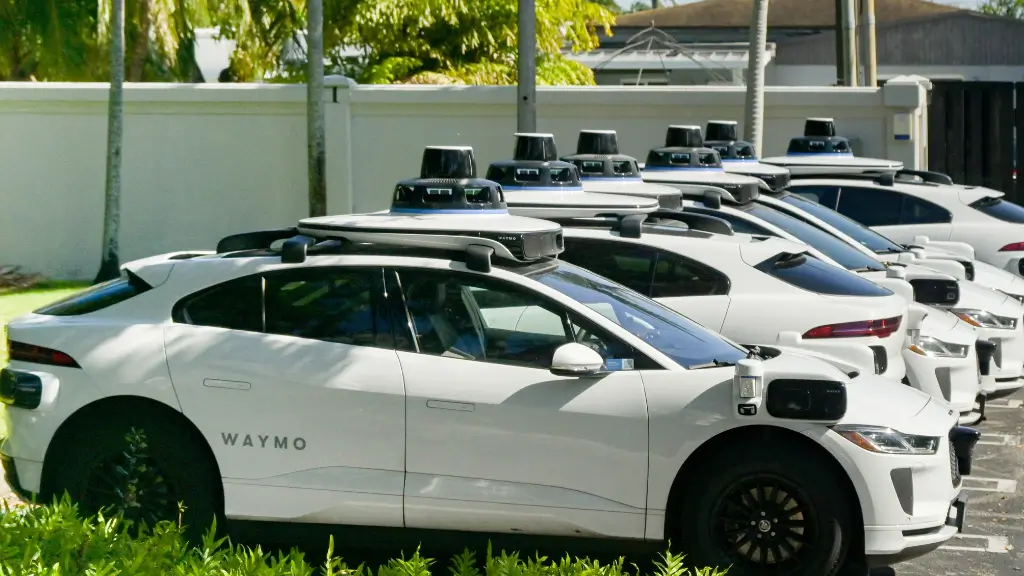
Waymo currently operates thousands of robotaxis across 11 cities and has announced plans to expand to 20 cities by the end of the year.
NHTSA noted that the proposed change would not affect existing braking performance requirements, including stopping-distance standards. The agency also said it’s separately developing safety performance requirements for autonomous vehicles in real-world driving scenarios and will continue to use its defect enforcement authority to investigate unsafe behavior and oversee recalls.
For dealers, the regulatory shift is worth monitoring. As purpose-built autonomous vehicles move closer to mainstream deployment, the conversation around fleet sales, service capabilities, and consumer education is likely to accelerate alongside them.