On the Dash:
- Falling oil prices could ease pressure on fuel costs and transportation expenses across the auto industry.
- Reopening the Strait of Hormuz would reduce risks to global energy supply chains and shipping markets.
- Ongoing instability in the Middle East continues to influence consumer sentiment, inflation concerns, and vehicle affordability.
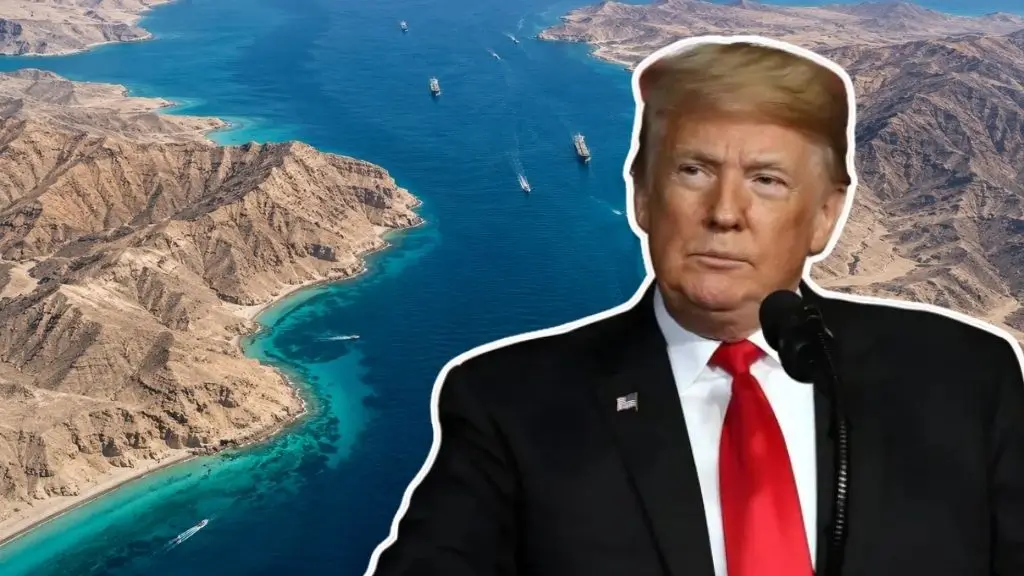
President Donald Trump said negotiations with Iran over extending a ceasefire and reopening the Strait of Hormuz are progressing, increasing expectations for a temporary agreement that could ease tensions in the Middle East and stabilize global oil markets.
In a Truth Social post Monday, Trump said talks were “proceeding in an orderly and constructive manner” and urged Saudi Arabia, Qatar, and other nations to join the Abraham Accords. Optimism surrounding the negotiations pushed Brent crude prices down roughly 5%, dropping below $100 per barrel, while global equity markets moved higher.
Pakistan military chief Asim Munir, who has acted as a key intermediary between the parties, reportedly told Chinese officials that an agreement is “close to being reached.”
Meanwhile, an Iranian delegation led by Parliament Speaker Mohammad Bagher Ghalibaf traveled to Doha for talks with Qatari officials. Iranian central bank governor Abdolnaser Hemmati joined the delegation to discuss the possible release of frozen Iranian assets.
Under the proposed agreement, the United States and Iran would extend the current ceasefire for about two months while reopening the Strait of Hormuz and easing certain U.S. restrictions on Iranian ports. However, negotiators still need to resolve key issues, including access to shipping through the strategic waterway and the timeline for releasing billions of dollars in Iranian funds.
Iran continues to insist on retaining some authority over maritime traffic through the Strait of Hormuz, though officials recently softened earlier proposals that would have imposed tolls on vessels. Iranian officials now say ships would instead pay for navigation services.
The negotiations also face resistance from Israel, which insists any agreement must preserve its military flexibility and address Iranian nuclear and missile threats. The Trump administration continues demanding that Iran surrender its highly enriched uranium stockpiles and halt uranium enrichment for roughly 20 years.
The conflict, which began after U.S.-Israeli attacks in February, has killed thousands across the Middle East and contributed to rising fuel prices and economic pressure globally.