Affordability pressures are reshaping the used-car market and creating new challenges for dealerships trying to source inventory, according to Micah Tindor, AVP of Consumer Vehicle Disposal at Kelley Blue Book.
During the latest episode of Inside Automotive, Tindor said consumers are becoming more cautious as vehicle prices and interest rates remain elevated. He warns that affordability concerns, rising negative equity and shifting consumer expectations will likely create a more difficult second half of 2026 for dealers.
“The market conditions are really starting to say affordability is setting in,” Tindor confirms, and adds, “It’s looking like it could be a challenging second half of the year.”
According to Tindor, roughly 50% of consumers now report living paycheck to paycheck while facing near-record new-vehicle prices approaching $50,000 and elevated APRs. He says those pressures are reducing consumers’ ability to replace vehicles and slowing overall transaction activity.
Tindor contends that the market is expected to see 14% fewer consumers selling vehicles between 2024 and the end of 2026. At the same time, the industry has already experienced four consecutive months of sales declines, with another projected 2% to 3% decline possible later this year.
He adds that automakers are also absorbing major tariff-related financial losses, which could eventually push vehicle prices even higher for consumers. “If affordability is the air we breathe, the air is getting thin,” he believes.
Consumers are changing
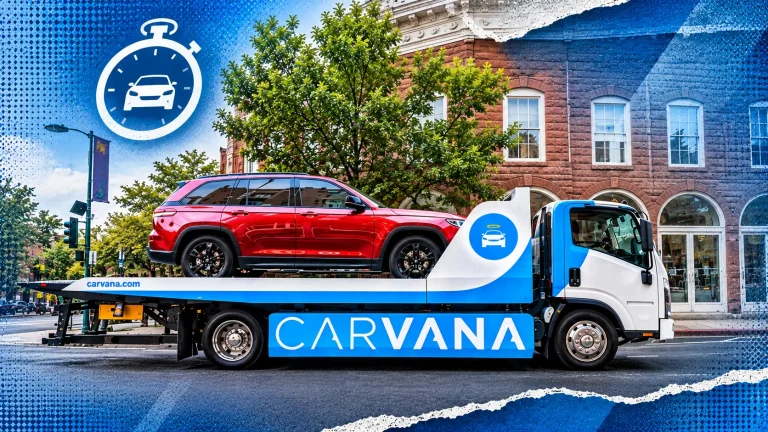
Notably, Tindor says consumers are no longer evaluating vehicle disposal based solely on price. Instead, they are increasingly weighing convenience, timing, safety and ease of transaction when deciding how to sell or trade a vehicle. He explains that consumers are now “channel shopping” disposal options, comparing dealership offers with peer-to-peer marketplaces and at-home vehicle pickup services.
“It used to always be that they just looked at price... Now they’re also considering other channels.”
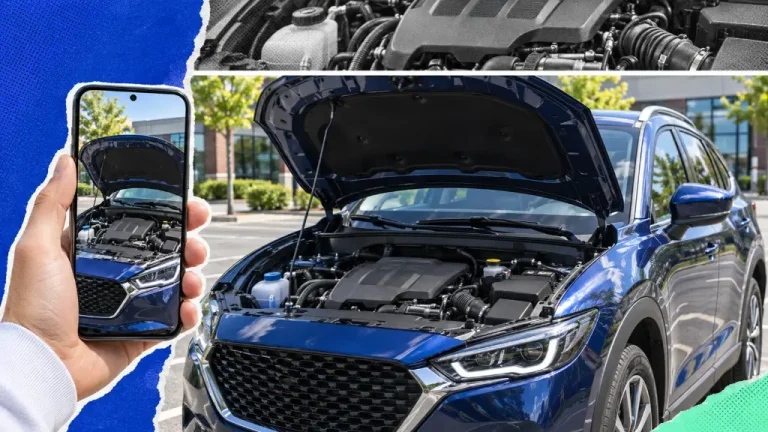
Additionally, Tindor asserts that approximately 17 million consumers still sell vehicles peer-to-peer annually, while roughly 1 million consumers now sell directly from the convenience of home. He says consumers increasingly evaluate the “personal ROI” of the selling experience, balancing financial return against the effort and risk involved in private-party transactions.
New pressure points
Tindor also highlights the growing negative equity as one of the market’s biggest emerging concerns. According to Kelley Blue Book data, 31% of consumers currently enter dealerships underwater on their auto loans, carrying an average of $7,100 in negative equity.
Similarly, dealers continue competing aggressively for used inventory as supply remains constrained. Tindor estimates the market currently has roughly 1.5 million fewer vehicles available than historical norms. As a result, dealerships are investing more money into acquisition staff, tools and marketing while competing for a shrinking pool of consumer-owned vehicles.
However, Tindor warns that dealers will likely continue seeing lower returns on acquisition spending as more retailers chase fewer available cars.
The inventory problem
Despite growing competition from companies offering peer-to-peer and at-home transactions, Tindor argues that dealerships remain uniquely positioned to handle increasingly complex consumer situations, particularly when negative equity is involved.
Tindor says consumers still value trusted brands and simplified transactions, creating opportunities for dealerships that can deliver both convenience and transparency.
To capitalize on those trends, Kelley Blue Book plans to launch a broader vehicle disposal platform July 1 that will allow consumers to compare multiple selling options in one place, including peer-to-peer sales, at-home transactions and dealership offers.
Tindor said the platform aims to connect dealers with more engaged consumers while helping retailers compete more effectively against companies like Carvana and CarMax. “What we want to do is create a hand-raiser ecosystem where consumers can raise their hand in our ecosystem and we can connect dealers to them,” he said.
The rollout begins July 1, with Kelley Blue Book planning additional refinements and expansion over time.