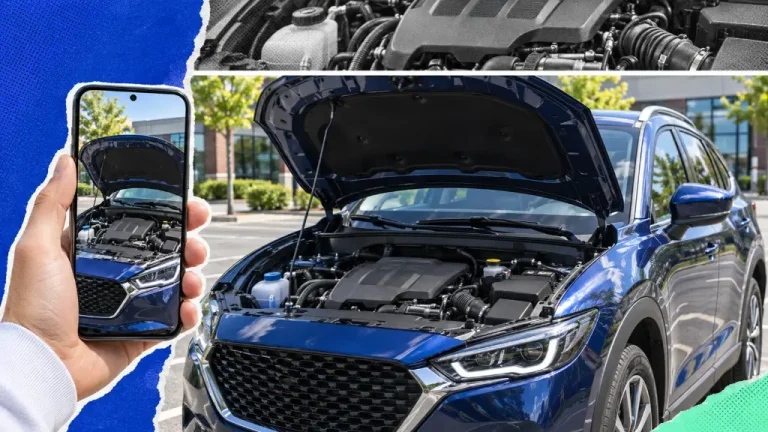
Imagine someone showing up to buy your car, deliberately tampering with it, and then offering you thousands of dollars less because of the damage they just created. It sounds outrageous, but this scam is happening, and sellers using Facebook Marketplace, Craigslist, and other online platforms need to pay attention.
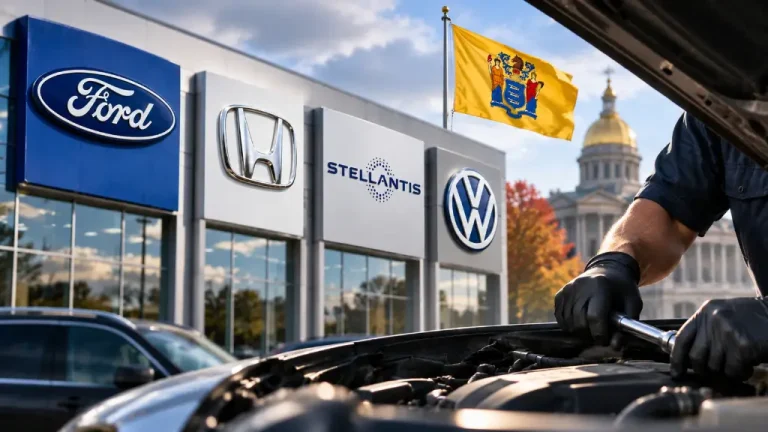
The scheme is calculated. Several people arrive pretending to be interested buyers. One distracts the seller while another allegedly tampers with the vehicle. Suddenly, there’s smoke, oil in the cooling system, or an apparent mechanical problem. The buyers point to the damage, act surprised, and use it to pressure the owner into accepting a dramatically lower price.
The person identifying the problem may actually be the person who created it.
THEY CREATE THE PROBLEM, THEN MAKE AN OFFER
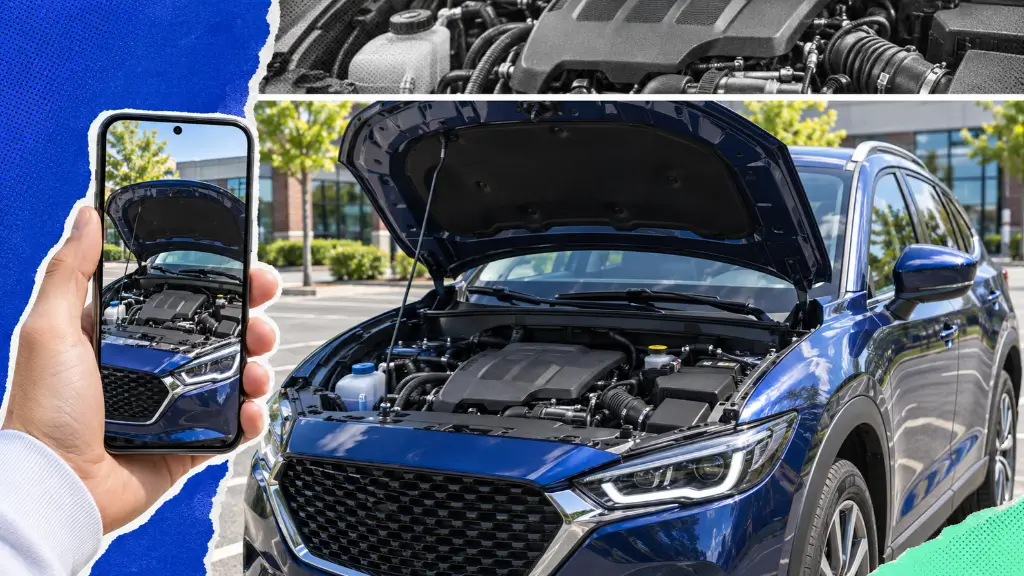
One Toyota Tacoma owner recently shared his experience on Instagram. According to his account, several men arrived to inspect his truck. During the encounter, one repeatedly questioned an unusual smell and eventually asked him to open the hood.
The seller says someone had poured oil into the coolant overflow reservoir, around the exhaust manifold, and inside the exhaust pipe. The apparent goal was to make him believe the engine was suffering from serious mechanical problems.
Fortunately, he questioned what he was seeing and investigated before accepting their low offer. That decision may have saved him thousands of dollars.
This tactic isn’t new. In Missouri, John Walker was trying to sell his 2005 Toyota Highlander for $4,300. After a group of prospective buyers inspected the vehicle, he noticed smoke coming from under the hood following a short test drive.
Walker said the vehicle had been running normally about an hour earlier. The buyers pointed to an apparent problem involving oil in the cooling system. He eventually sold the Highlander for just $1,300, losing $3,000 compared with his original asking price.
After the sale, Walker reportedly noticed large splashes of black oil near the vehicle and contacted authorities. KY3 News investigated the incident and brought attention to this disturbing scheme.
Another Missouri seller, Brandon Schmidly, was trying to sell his 2013 Honda Odyssey. He later reviewed security footage after becoming suspicious of the people inspecting his vehicle. The footage reportedly showed someone pouring oil into the coolant reservoir while another person distracted him.
Schmidly had been asking $9,000 for the Honda and ultimately accepted less than half that amount. He filed a police report, and Nixa police told KY3 they were investigating.
These incidents demonstrate how quickly a legitimate vehicle sale can turn into an expensive mistake. Sellers who don’t recognize the warning signs may believe their vehicle has suffered a catastrophic failure when someone has deliberately manufactured the appearance of one.
IT’S NOT JUST PRIVATE CAR SALES
Similar allegations have surfaced in the automotive auction business, where manipulating a vehicle’s apparent condition can influence how much someone is willing to pay.
Omar Afaneh, a used-car dealer in Savannah, Georgia, described purchasing a 2012 Jeep Liberty at auction. He said the vehicle ran properly when he inspected it, but when it arrived at his dealership, it had a serious engine misfire and a malfunctioning window.
After investigating, Afaneh believed someone had disconnected two injector wires to create an engine problem. His suspicion was that someone wanted to discourage other bidders, purchase the Jeep at a lower price, and reconnect the wires afterward.
The tactic is different, but the objective is identical: Make a perfectly usable vehicle appear defective so someone can buy it for less.
Whether you’re selling a car from your driveway or bidding at an auction, deliberate tampering can cost you money.
HOW TO PROTECT YOURSELF
Selling privately can bring more money than trading your vehicle into a dealership, but inviting strangers to inspect your car requires some common sense and preparation.
First, never meet a prospective buyer alone. Bring someone you trust, and arrange the meeting in a well-lit public location with security cameras. Some police departments even provide designated areas for online transactions.
Before the appointment, photograph your vehicle’s condition, including the engine compartment, coolant reservoir, exhaust area, odometer, and exterior. Take a walkaround video and keep records of existing mechanical problems. An independent inspection by a qualified mechanic can also establish the vehicle’s condition before negotiations begin.
During the inspection, stay aware of where everyone is standing and what they’re doing. If several people arrive together, don’t let one person distract you while others move around the vehicle unsupervised.
Most importantly, don’t accept a prospective buyer’s mechanical diagnosis as fact. If someone suddenly claims your engine is ruined, your head gasket has failed, or oil has contaminated your cooling system, stop the transaction. Have an independent mechanic investigate before lowering your asking price.
If you suspect tampering, document the evidence, preserve any surveillance footage, and contact law enforcement. Don’t continue driving a vehicle that may have been compromised simply to prove someone wrong.
DON’T LET A SCAMMER DETERMINE YOUR CAR’S VALUE
Online marketplaces have made buying and selling vehicles easier, but they don’t guarantee that the person on the other end of the transaction is legitimate. A listing platform connects buyers and sellers; it doesn’t protect you from someone deliberately manipulating your vehicle.
The most disturbing part of this scam is how it exploits trust. You invite someone to inspect your property, expecting an honest negotiation. Instead, you may be dealing with someone who has already planned how to create a mechanical problem and profit from your reaction.
A legitimate buyer can negotiate a price. A dishonest buyer creates damage and then tries to convince you that your vehicle is practically worthless.
Don’t fall for it. Know your vehicle’s condition, document everything, and never let a stranger’s diagnosis cost you thousands of dollars.
Check out my full commentary on this story: https://youtu.be/fX-wNHGmLKw
Looking for more automotive news? https://www.CarCoachReports.com
Listen and subscribe to The Drive with Lauren and Karl – https://www.youtube.com/@thedrivecarshow