On the Dash:
- Tesla’s pivot to AI and autonomy signals long-term disruption but near-term margin pressure across the EV segment.
- Increased competition and pricing pressure highlight the importance of value positioning and inventory strategy.
- Growth in energy and software-driven revenue streams underscores a shift beyond traditional vehicle sales.
Tesla is planning to increase capital expenditures to more than $25 billion this year, as the company intensifies its focus on AI, robotics and chip development to support future revenue growth.
CEO Elon Musk said the increased spending is necessary to build long-term value, calling the investments “well justified” during a post-earnings call. However, investors reacted cautiously, sending Tesla shares down 2.4% after initial gains following the company’s first-quarter results. Additionally, CFO Vaibhav Taneja said Tesla is entering a multi-year, heavy-investment phase that is expected to result in negative free cash flow for the remainder of 2026.
Despite that outlook, Tesla reported $1.44 billion in free cash flow for the first quarter, outpacing expectations that had called for a cash burn. The company also posted revenue of $22.39 billion, slightly below analyst estimates of $22.6 billion, while profit exceeded Wall Street forecasts, aided by cost controls and lower-than-expected capital expenditures.
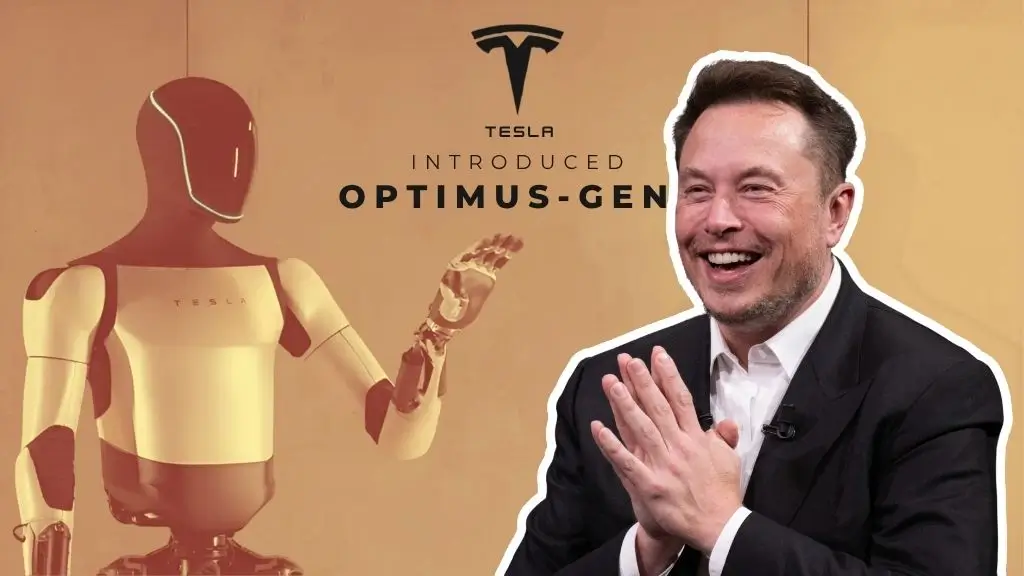
Tesla continues to shift its strategy toward autonomy and robotics, allocating resources to develop robotaxis and humanoid robots. The company said it is preparing to begin production of its Cybercab, a fully autonomous vehicle without a steering wheel or pedals, later this year, with output expected to ramp gradually.
The automaker has also expanded its robotaxi service in the U.S., building on existing launches and targeting broader deployment across multiple states by the end of the year, though the company has previously missed similar rollout timelines.
Regulatory progress is also underway in Europe, where authorities are reviewing Tesla’s Full Self-Driving (FSD) system for potential approval across the European Union, a move that could support wider adoption of its autonomy platform.
When it comes to sales, Tesla delivered fewer vehicles than analysts expected in the first quarter, though deliveries increased 6.3% year over year. The company cited continued demand growth in Asia-Pacific and South America, along with a rebound in Europe and North America.
Still, Tesla’s core automotive business faces mounting pressure as competitors introduce newer models at lower price points. Notably, the expiration of the U.S. EV tax incentives further strained demand.
Overall, Tesla is developing a lower-cost compact SUV, though the program remains in early stages and is not expected to reach production in the near term. Meanwhile, its energy generation and storage division continues to gain momentum, driven by strong demand for grid-scale battery systems.