On the Dash:
- Trade negotiations could directly impact vehicle pricing, supply chains and inventory flow across North America
- Continued tariff pressure may drive higher costs for parts, vehicles and dealership operations
- A finalized agreement could stabilize cross-border trade and support long-term market predictability
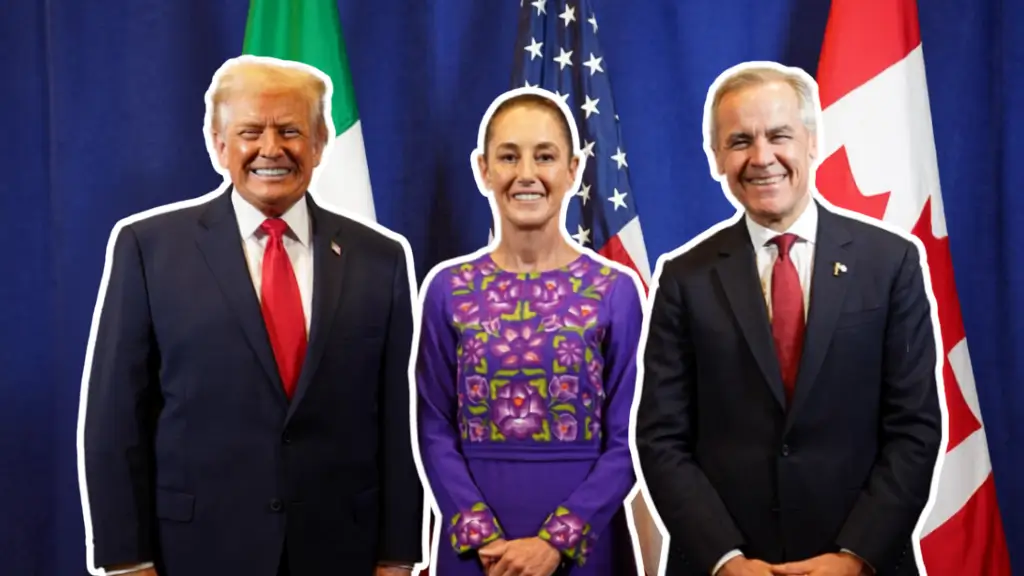
Ontario’s representative to the U.S. said he is confident a deal to ease trade tensions between the U.S., Canada and Mexico is achievable, potentially as early as this year, as negotiations surrounding the U.S.-Mexico-Canada Agreement (USCMA) ramp up.
At an Ontario Securities Commission event in Toronto, David Paterson alludes to progress being likely despite ongoing disputes over tariffs and market access, noting that all parties have incentives to reach an agreement.
While the USMCA is up for review in 2026, the Trump administration is seeking concessions, and Canada and Mexico are pushing for relief from tariffs on steel, aluminum, and autos.
Ontario remains central to the negotiations, housing Canada’s automotive assembly base and much of its steel production. Paterson said Canadian officials are aware of U.S. concerns, including dairy access, digital taxes and automotive parts rules.
Notably, Mexico is set to begin bilateral talks with the U.S. the week of May 25 in Mexico City, following meetings between U.S. Trade Representative Jamieson Greer and Mexican officials. Paterson said Canada’s timeline may lag behind Mexico’s due to the complexity of its issues, but emphasized that delay should not be a concern.
He added that pressure from U.S. businesses facing higher costs due to tariffs could help accelerate progress. The auto industry remains deeply dependent on cross-border supply chains, with Canada serving as the largest export market for U.S.-built vehicles.
Paterson warned that limiting access to the Canadian market would considerably impact U.S. production, while emphasizing that a trade agreement would provide a meaningful economic boost ahead of midterm elections.