On the Dash:
- Digital retail is accelerating, but dealers remain essential for fulfillment and compliance.
- Operational discipline is critical to avoid conflicts between online and showroom sales.
- Advertising and lead generation may shift further toward platform-driven ecosystems.
Amazon is expanding its Amazon Autos platform, allowing consumers to purchase new vehicles online while dealerships handle final delivery, deepening its push into U.S. automotive retail.
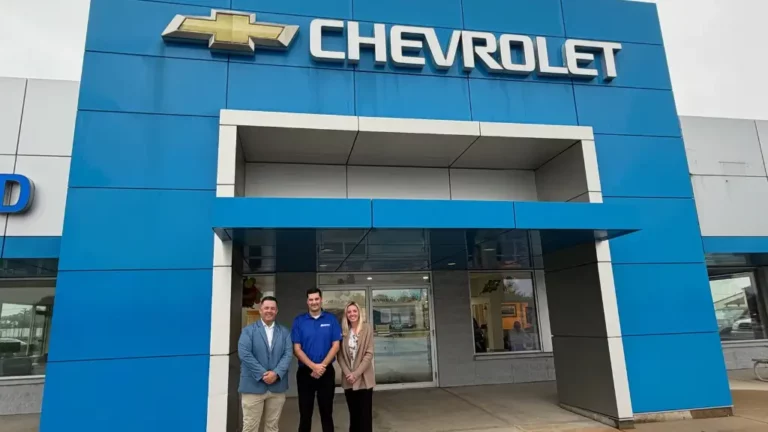
The platform now includes vehicles from Hyundai Motor Group, Kia, Mazda, Subaru, Chevrolet and Jeep. Shoppers can browse inventory, secure financing and complete most paperwork online before picking up at a participating dealership.
Launched in late 2024 with Hyundai, Amazon Autos has grown to more than 130 U.S. cities, including Los Angeles, New York City and Dallas. The expansion adds pressure to a market that generated roughly $1.3 trillion in dealership sales last year, according to the National Automobile Dealers Association (NADA).
The strategy is closely tied to Amazon’s advertising business, as automakers remain among the largest ad spenders. The platform creates a direct channel to capture more of that spending while streamlining the purchase process.
Amazon Autos takes a hybrid approach, combining elements of direct-to-consumer sales with the traditional dealership model. The company said it does not plan to eliminate dealers and continues to expand its partner network.
Early adoption has revealed operational challenges, including incomplete paperwork, buyer verification issues and conflicts between online reservations and in-store sales as volume increases.
Consumer adoption remains mixed due to regulatory complexity and continued preference for in-person purchases. However, younger buyers, particularly Millennials, are more comfortable completing transactions online, which could support long-term growth.