TSLA413.970-8.27%
GM74.440-0.42%
F13.215-0.185%
RIVN13.325-0.465%
CYD49.320-0.68%
HMC25.195-0.985%
TM187.470-3.21%
CVNA67.135-0.0355%
PAG160.740-1.44%
LAD266.2804.36%
AN184.3800.23%
GPI315.6202%
ABG178.730-0.44%
SAH73.480-0.48%
TSLA413.970-8.27%
GM74.440-0.42%
F13.215-0.185%
RIVN13.325-0.465%
CYD49.320-0.68%
HMC25.195-0.985%
TM187.470-3.21%
CVNA67.135-0.0355%
PAG160.740-1.44%
LAD266.2804.36%
AN184.3800.23%
GPI315.6202%
ABG178.730-0.44%
SAH73.480-0.48%
TSLA413.970-8.27%
GM74.440-0.42%
F13.215-0.185%
RIVN13.325-0.465%
CYD49.320-0.68%
HMC25.195-0.985%
TM187.470-3.21%
CVNA67.135-0.0355%
PAG160.740-1.44%
LAD266.2804.36%
AN184.3800.23%
GPI315.6202%
ABG178.730-0.44%
SAH73.480-0.48%

NHTSA weighs U.S. ban on defective Chinese airbag components

Federal safety officials are escalating their probe into aftermarket airbag components tied to fatal crashes and considering a U.S. sales ban.

NHTSA weighs U.S. ban on defective Chinese airbag components

On the Dash:

  • For dealers, verify repair histories on used inventory, especially vehicles with airbag deployments since 2020
  • Avoid sourcing aftermarket safety components from unverified suppliers or secondary markets
  • Advise customers to seek dealership inspections and avoid driving vehicles with suspected non-OEM airbag parts

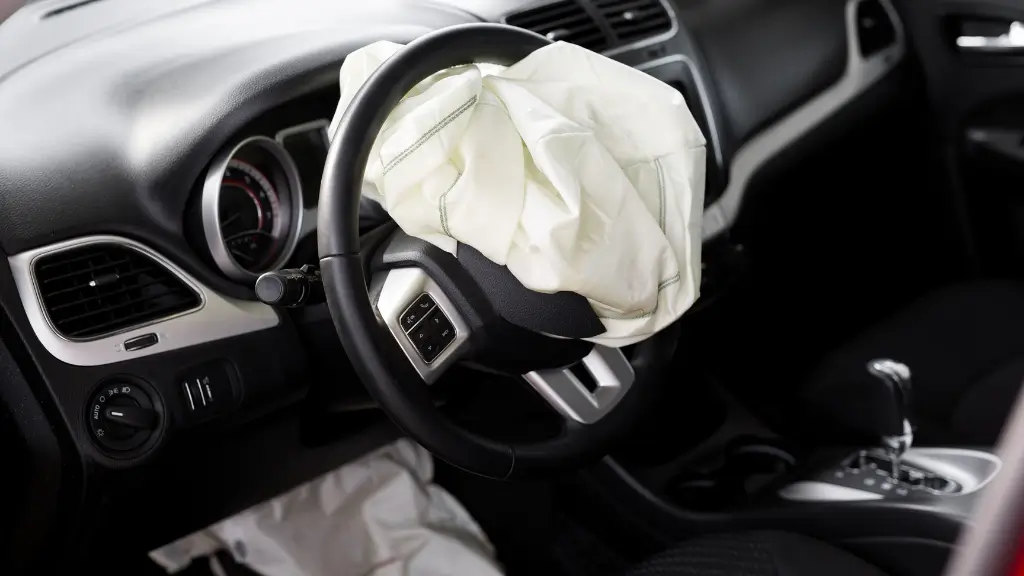
Federal regulators are considering a ban on airbag inflators from China-based DTN Airbag after determining the components were responsible for 10 deaths in a dozen crashes over the past three years, according to the National Highway Traffic Safety Administration (NHTSA).

The agency said Thursday it is escalating its investigation into the inflaters, which have been found to rupture during crashes, sending metal fragments into vehicle occupants. Officials believe the components are defective and are weighing whether to prohibit their sale in the United States.

Sign up for CBT News’ daily newsletter and get the latest industry stories delivered straight to your inbox.

NHTSA first opened its investigation into DTN last October and has since been working to determine how many vehicles may contain the inflaters. The agency estimates that as few as 10,000 units could be on the road.

The parts are typically found in the secondary market, often installed in used vehicles after prior crashes in which the original airbags had deployed. NHTSA said it does not believe automakers use DTN inflaters in new vehicles or as authorized replacement parts in the U.S.

In January, the agency issued a nationwide warning urging used-car owners to verify their vehicles’ repair histories. It also launched a dedicated resource page to help identify potentially affected vehicles.

NHTSA advised that drivers whose vehicles were involved in crashes with airbag deployment since 2020 and were not repaired at a manufacturer’s dealership should have their vehicles inspected. If a DTN inflater is identified, the vehicle should not be driven until the component is replaced. The agency cautioned drivers against inspecting vehicles themselves.

Regulators are also investigating how the inflaters entered the U.S., with NHTSA suggesting the parts were likely imported illegally. According to the agency, some U.S.-based producers purchased components online, received them by mail, and assembled them into complete airbag modules for resale to repair shops.

DTN has stated in court filings that it manufactures inflaters only and does not produce full airbags. The company said that compatibility testing is the purchaser’s responsibility. A statement on its website also says it does not conduct business in the U.S. and that it does not sell its products there.

Under federal law, NHTSA must open a public comment period before finalizing any ban and allow DTN to respond. Public comments are open until April 17. The agency said it will continue investigating the scope of the issue before determining whether a permanent ban is warranted.


More from Safety & Compliance
Tesla Model Y becomes first vehicle to pass NHTSA’s updated ADAS safety tests

Tesla Model Y becomes first vehicle to pass NHTSA’s updated ADAS safety tests

- May 11, 2026
On the Dash: Advanced safety technology is becoming a larger selling point as regulators expand ADAS testing standards. Dealers may see stronger consumer demand for vehicles with top-rated crash-avoidance systems...
Kill Switch, NHTSA

NHTSA’s controversial ‘Kill Switch’ mandate lives on despite missed deadline, repeal effort

- May 1, 2026
On The Dash: NHTSA missed its 2024 deadline and has no timeline for a final rule. No commercially available technology yet meets the law's passive detection standard. A House bill...
Autosaver Group compliance officer says resolving complaints early keeps dealers off regulators' radar

Autosaver Group compliance officer says resolving complaints early keeps dealers off regulators’ radar

- April 29, 2026
Dealerships that fail to resolve customer complaints internally are building a case against themselves, one unresolved grievance at a time. That is the core philosophy driving the compliance program at...
Hyundai extends EV charging unit warranty to 15 years

Hyundai extends EV charging unit warranty to 15 years despite ongoing defect concerns

- April 27, 2026
On the Dash: Extended warranty coverage may reduce customer friction but increase service traffic tied to ICCU diagnostics and repairs. Ongoing concerns about EV component reliability could affect buyer confidence...
CBT News
Privacy Overview

This website uses cookies so that we can provide you with the best user experience possible. Cookie information is stored in your browser and performs functions such as recognising you when you return to our website and helping our team to understand which sections of the website you find most interesting and useful.