On the Dash:
- USMCA revisions raising U.S. content thresholds to 50% could add at least $2 billion in annual costs per company.
- GM projects $2.5 billion to $3.5 billion in gross tariff expenses this year, over 20% of operating profit.
- Ford is shifting Lincoln production from China to U.S. factories ahead of next month’s trade talks.
Detroit’s three automakers are preparing to push back against the Trump administration’s proposals to revise the North American trade deal, arguing that the changes could add billions of dollars in annual costs and put them at a disadvantage relative to foreign competitors, according to a Reuters report.
At issue is Washington’s push to raise the U.S.-made content threshold vehicles need to qualify for lower tariffs to at least 50%, along with a separate proposal to raise the overall North American content requirement from its current 75% level. Two automakers estimated that those changes alone would add at least $2 billion in annual costs per company. Those costs would stack on top of tariffs already in place since last year covering steel, aluminum, auto parts and vehicles imported from Mexico and Canada.
General Motors (GM) expects gross tariff-related expenses of $2.5 billion to $3.5 billion this year, a figure the company said could represent more than 20% of its operating profit. Ford Motor has put its net tariff hit at roughly $1 billion for the year.
USMCA Content thresholds a key sticking point
The American Automotive Policy Council, which represents Ford, GM and Stellantis, has argued that U.S. automakers face a competitive disadvantage against Japanese, South Korean and European manufacturers, which currently face a flat 15% tariff on vehicles exported to the U.S. GM CEO Mary Barra addressed the issue during the company’s July earnings call, saying GM is focused on making sure U.S. automakers can compete against those tariff rates.
One auto executive told Reuters that Japan and South Korea secured more favorable terms because their governments could negotiate on behalf of domestic automakers as part of broader national security agreements, an advantage U.S. companies say they lack.
Ford’s Lincoln shift signals early compliance move
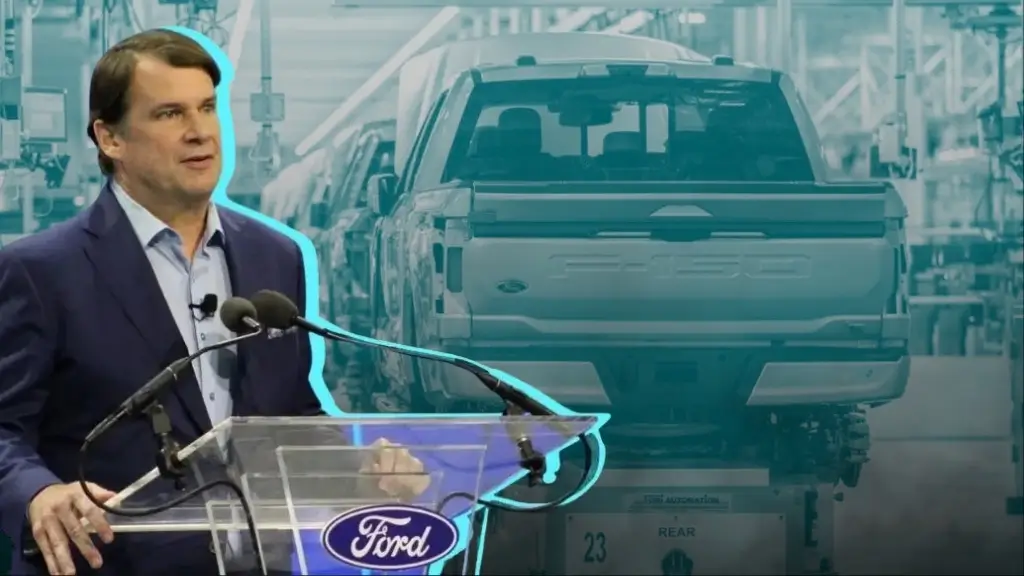
Ford signaled its own move toward the administration’s position this week, announcing it will shift production of Lincoln models for the U.S. market from China to American factories. Ford CEO Jim Farley told Reuters the company may have been slow to grasp the administration’s push for more domestic production early on, but adjusted once it did.
U.S. Commerce Secretary Howard Lutnick said in a joint interview that he hopes more automakers follow Ford and GM’s lead in shifting factory work to the U.S.
U.S. and Mexican trade officials are set to hold a fourth round of negotiations next month. Canadian officials have been meeting with U.S. counterparts this week to try to head off another round of tariffs on Canadian goods scheduled to take effect next week.
Automakers say foreign rivals face lower tariff burden
Jennifer Safavian, president of Autos Drive America, which represents foreign automakers including Toyota and Hyundai operating in the U.S., said the ongoing USMCA talks matter across the industry, not just for Detroit’s automakers. She said American and North American-made vehicles already use significant amounts of U.S. content, and that international automakers are also feeling the effects of the current trade environment with Mexico and Canada.
GM told Reuters that vehicles with higher U.S. and North American content should receive better tariff treatment than those without, and said it’s encouraged by the administration’s progress in negotiations. Stellantis said it’s similarly encouraged and is working with all three governments to keep vehicles affordable across the region.