On the Dash:
- The recall affects 69,060 U.S. units and 7,967 Canadian units, with additional actions affecting 58,000 vehicles in South Korea.
- The issue involves second- and third-row power seats that may fail to detect occupants, with four reported injuries in the U.S.
- Dealers face immediate challenges with inventory, customer communication, and service as Hyundai develops a fix.
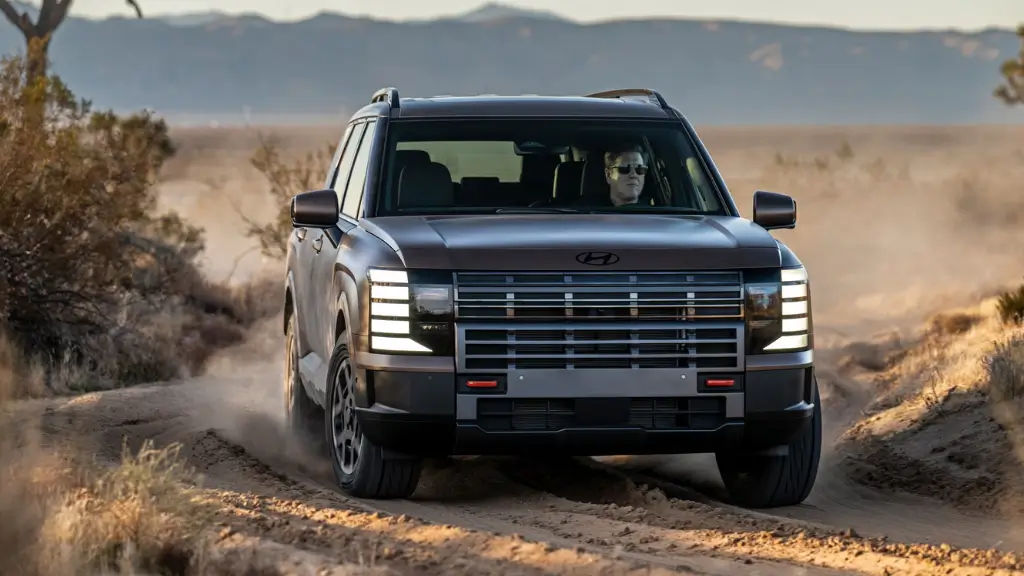
Hyundai Motor is recalling nearly 70,000 Palisade SUVs in the United States and Canada after a 2-year-old girl died in Ohio earlier this month in an incident involving a third-row power seat.
The National Highway Traffic Safety Administration (NHTSA) said certain 2026 Palisade and 2026 Palisade Hybrid models equipped with Limited or Calligraphy trims may have second- and third-row power seats that fail to detect a person. The recall covers 69,060 vehicles in the U.S. and 7,967 in Canada.
The issue may allow the seat to continue moving after contacting a person during powered functions such as one-touch tilt-and-slide or automatic fold-and-stow. Drivers may not receive a warning, though unusual seat movement could be noticed.
The recall follows a March 7 incident in Akron, Ohio, in which a third-row seat pinned a child. Hyundai said it is investigating the incident and expressed condolences to the family.
The automaker previously issued a stop sale on some 2026 Palisade models. Owners are advised to use caution when operating power seats and to keep children away from rear seating areas during folding operations.
Hyundai reported four injuries in the United States linked to the issue and said two additional passengers were injured in South Korea in October and December. South Korea’s transport ministry has also ordered a recall of 58,000 Palisade hybrid SUVs, citing a software-related failure to detect contact with occupants or objects.
As an interim step, Hyundai has begun offering software updates and is developing an over-the-air update expected at the end of March to enhance system response and add safeguards. The company is also considering additional safety measures.
If hardware replacement is required, the recall could cost about 100 billion won ($66.08 million), according to Meritz Securities.
Separately, Ford Motor is recalling 254,640 SUVs in the United States due to a software issue that may cause loss of the rearview camera image and certain advanced driver-assistance features. The recall includes the Lincoln Navigator, Lincoln Nautilus, Lincoln Aviator, and Ford Explorer, with fixes to be completed via dealer service or over-the-air updates.
Hyundai said it is notifying customers through multiple channels, including email, telematics, phone calls, and media alerts, as it works toward a permanent remedy.