The third-quarter earnings are in for the major public dealer groups, and there’s a lot to unpack beyond the topline numbers. On today’s episode of Inside Automotive, Brian Gordon, president of the Dave Cantin Group, shares his perspective on what these results reveal about the health of the retail automotive industry.
Public automotive dealer groups reported a stable third quarter despite ongoing market uncertainties. Gordon points to a “boring quarter” as a positive indicator, signaling that dealers have effectively balanced growth and profitability while adapting to the current economic environment. Strong revenue growth, solid margins in certain areas, and consistent performance in F&I and service operations demonstrate the sector’s resilience.
New vehicle sales remain focused on customer acquisition, even when margins are sacrificed to move units. New vehicle sales dipped by 15% to 20% compared to the previous quarter, while used-vehicle margins held firm. Dealers are navigating limited inventory and seeking to maintain profitability; careful sourcing and management of used vehicles will be critical for sustaining margins in the months ahead.
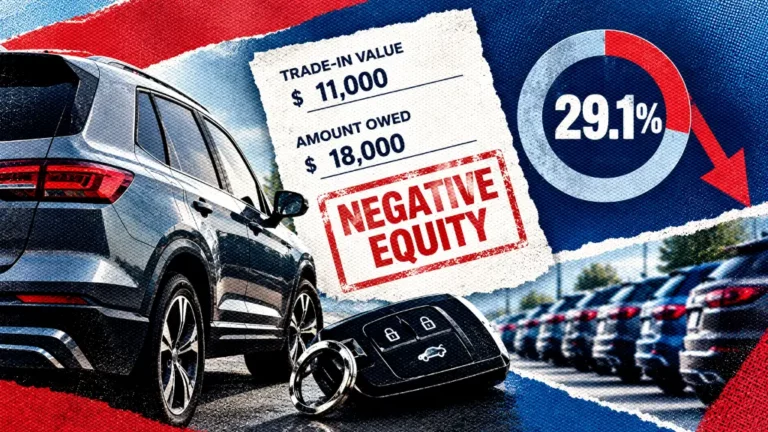
Gordon also points to trends in F&I and consumer financing as key indicators of dealer and market health. Public dealer groups are seeing significant growth in F&I per unit, signaling strong performance in fixed operations. At the same time, he notes that extended loan terms, often up to 84 months, could indicate that some consumers may struggle to afford their vehicles, particularly in the subprime segment. This trend also affects the used-vehicle market, as longer-term loans reduce the frequency of trade-ins, thereby limiting the supply of pre-owned vehicles.
"We've had very challenging times in the world right now, from a macroeconomic perspective. And yet this industry is having—by and large—a very good year."
Dealers appear less concerned about tariffs than earlier in the year, with most business operations largely insulated from external disruptions. While supply chain and parts shortages could impact future performance, the immediate effect on earnings remains minimal.
Gordon highlights shifts in financial strategy among public dealer groups. Some companies prioritize acquisitions, while others invest in stock buybacks. Larger deals are increasingly spaced out, requiring longer negotiation and diligence periods. Despite this, capital remains plentiful for dealers seeking acquisitions, supporting continued growth and high valuations.
Electric vehicle demand has stabilized after the expiration of tax incentives, and dealer focus has returned to core operations. Public groups are doubling down on high-volume metro markets, leaving smaller or secondary markets as opportunities for private dealers to achieve strong returns with disciplined operations.
Gordon advises dealers to closely monitor fixed operations and F&I performance, invest in technology and tools to improve efficiency, and actively manage used-vehicle sourcing and sales. Understanding current industry trends and adopting proactive strategies will position dealerships for success in 2026.