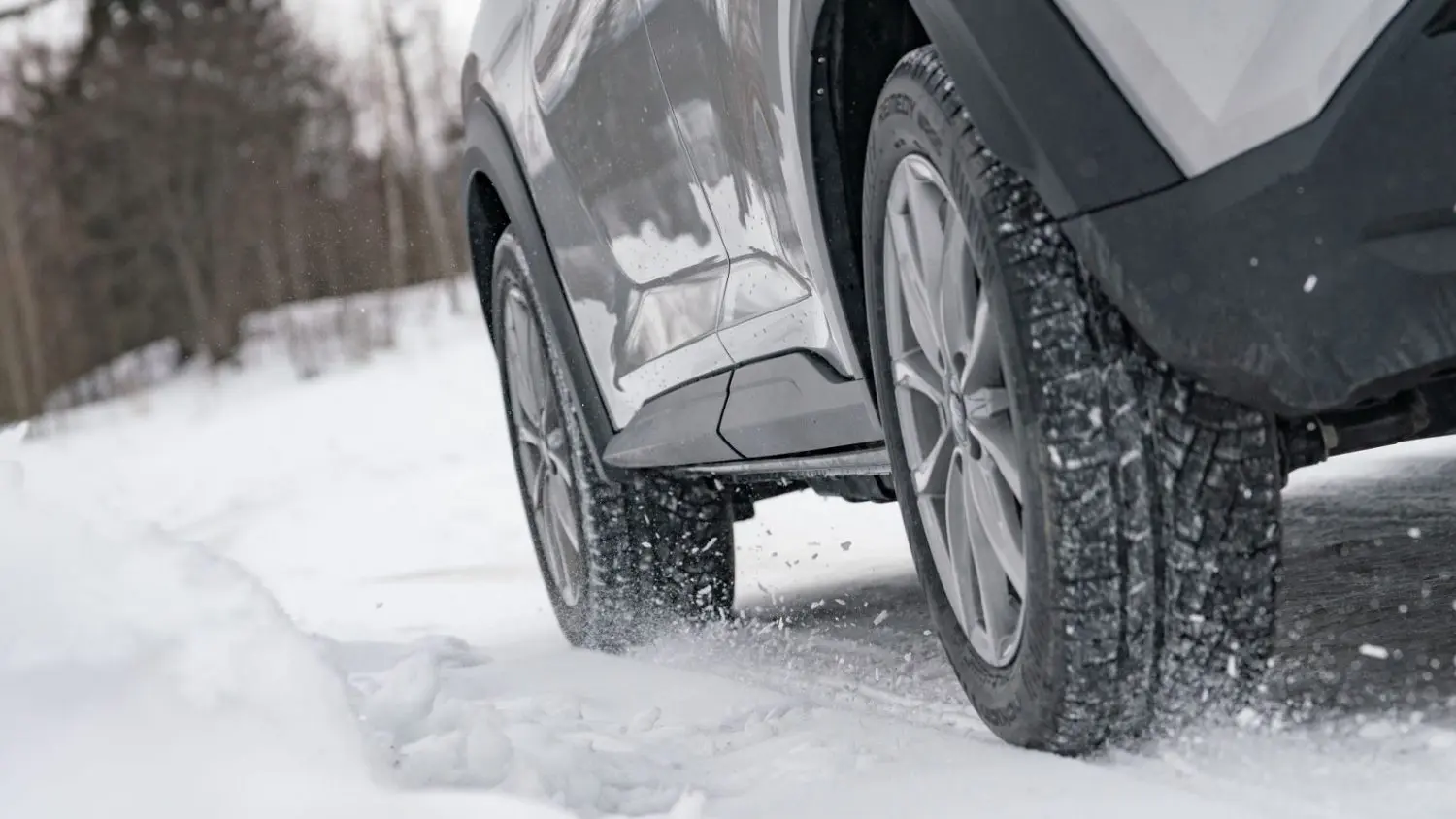
With the impending winter season bringing changing elements and heightened risk on the road, car preparation is more important than ever. One auto aspect that’s often overlooked, but essential to performance: tires. One of the most important choices that drivers make for safety on the streets, tires often require significant financial investment and research – and most consumers don’t know where to start. That lack of knowledge can leave drivers vulnerable to decisions that compromise both safety and cost, so it’s imperative that drivers understand the different tire styles, features and what to watch for, so they can shop smart and find the best tires for them and their environment.
Many shoppers recognize winter tires, made for snowy conditions. But for people who live in milder climates where the weather can change on a dime, the choice isn’t as clear. When it comes to equipping your vehicle with the right tires for your climate, tire nomenclature can be deceiving. “All-season” and “all-weather” sound synonymous and suggest year-round coverage. Unfortunately, only one lives up to its name. In truth, “all-season” tires are a product of marketing, not meteorology. Coined decades ago by tire industry executives, the term “all-season” was crafted for consumer convenience, but doesn’t apply when snowy, icy conditions arise. In truth, all-season tires live up to their billing if you live in a place like Arizona or Florida. But for areas that experience wintry weather, they might as well be called “three-season tires.”
That’s because all-season tires trade winter performance for longevity. They use harder rubber compounds that hold up well in warmer temperatures and provide solid performance on dry or rainy roads, and their tread patterns offer hydroplaning resistance. But in the cold, these features become a liability. Once the temperature drops below 45°F (7°C), the rubber compounds used in all-season tires start to stiffen, reducing responsiveness and compromising break distance and precision.
Drivers who want to experience true year-round safety, even in wintry conditions, should pursue all-weather tires. They’re certified with the Three-Peak Mountain Snowflake (3PMSF) symbol and designed to tackle cold, slushy and snowy roads with confidence. All-weather tires bridge the gap between all-season tires and dedicated winter tires. They’re made with more flexible rubber compounds that stay pliable in freezing temperatures. The tread on all-weather tires is deeper with more siping, and their grooves are better suited to channel away slush and snow. The Three-Peak Mountain Snowflake symbol signifies they’ve passed winter traction tests.
Drivers who demand supreme winter safety should switch to dedicated winter tires for the snowy season. But for those who visit wintry weather or welcome it a few times each year, all-weather tires deliver a crucial advantage: peace of mind when the forecast changes unexpectedly. While not as powerful as dedicated winter tires on icy mountain roads, these options are far more capable in snow and cold than their all-season counterparts – and more useful to a wider range of drivers.
When deciding which tires are right for you, consider your climate:
On dry and wet roads, all-season tires offer durability and longer tread life, making them a practical choice in mild climates where snow is rare and temperatures stay above freezing.
Live in a more temperate climate with occasional snow? All-weather tires might be what you need: Don’t be fooled by labels; do your research and make the right choice for yourself and your environment. Find the most important value for their investment: safety on the roads.
Consumers deserve clarity. Tire labels should inform, not mislead. The tire industry and those who report on it must prioritize transparency and effective communication of the climate strengths and weaknesses of their tire types. That starts with recognizing the 3PMSF symbol as an indicator of winter readiness and helping drivers understand that “all-season” doesn’t always mean “all-year.” Making informed tire choices isn’t just about comfort or convenience; it’s also about safety.