TSLA445.27011.82%
GM75.810-0.63%
F13.5851.595%
RIVN14.2700.32%
CYD51.0202.5%
HMC24.3700.26%
TM186.8905.22%
CVNA69.900-3.82%
PAG166.580-2.45%
LAD273.220-2.08%
AN191.110-4.25%
GPI327.780-8.36%
ABG192.850-0.83%
SAH76.120-2.46%
TSLA445.27011.82%
GM75.810-0.63%
F13.5851.595%
RIVN14.2700.32%
CYD51.0202.5%
HMC24.3700.26%
TM186.8905.22%
CVNA69.900-3.82%
PAG166.580-2.45%
LAD273.220-2.08%
AN191.110-4.25%
GPI327.780-8.36%
ABG192.850-0.83%
SAH76.120-2.46%
TSLA445.27011.82%
GM75.810-0.63%
F13.5851.595%
RIVN14.2700.32%
CYD51.0202.5%
HMC24.3700.26%
TM186.8905.22%
CVNA69.900-3.82%
PAG166.580-2.45%
LAD273.220-2.08%
AN191.110-4.25%
GPI327.780-8.36%
ABG192.850-0.83%
SAH76.120-2.46%

Gov. Newsom signs bill to reduce rideshare costs in CA

The new law aims to lower rideshare costs by easing insurance mandates and improving driver protections.
rideshare

On the Dash: 

  • Senate Bill 371 lowers required rideshare insurance coverage, reducing costs for California Uber and Lyft riders.
  • The law updates decade-old mandates that data show were higher than necessary, making rides more affordable statewide.
  • The bill also supports driver rights by allowing more flexibility for unionization and collective bargaining.

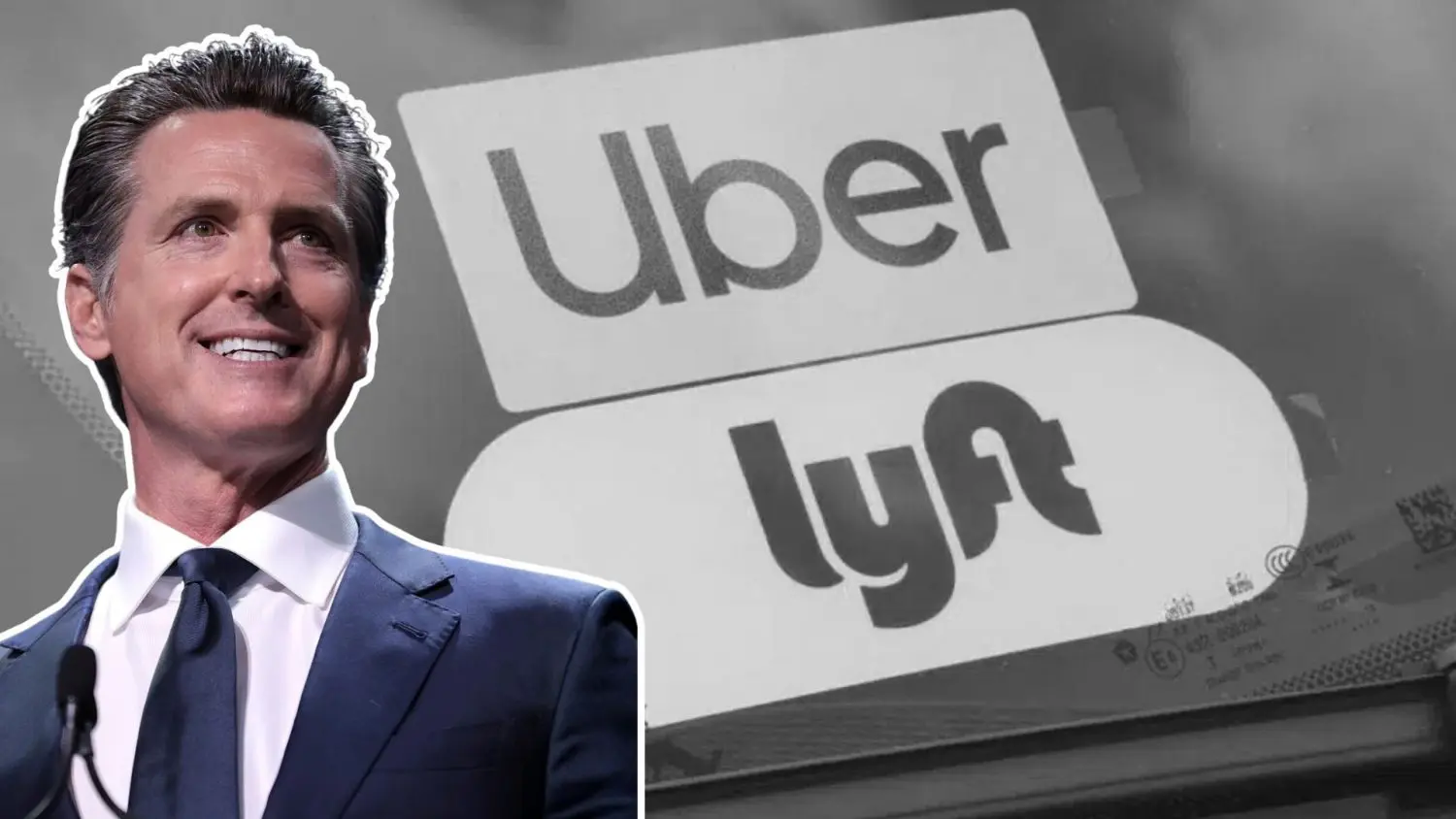
On October 3, Governor Gavin Newsom signed Senate Bill 371, authored by Senator Cabaldon, to lower the cost of rideshare services like Uber and Lyft across California. The new law reduces insurance requirements that have contributed to higher fares for passengers, marking a significant step toward affordability and balance in the state’s rideshare market.

SB 371 revises long-standing insurance coverage mandates for rideshare drivers, cutting the required uninsured and underinsured motorist coverage from $1 million to $60,000 per individual and $300,000 per accident. These requirements, established more than a decade ago when ridesharing was still new, have been shown through years of claims data to far exceed what is necessary.

Sign up for CBT News’ daily newsletter and get the latest industry stories delivered straight to your inbox.

Senator Cabaldon said the bill is designed to make rideshare more accessible for Californians who rely on it for essential travel, such as commuting to work, attending school, or reaching medical appointments. He also noted that the measure supports drivers by expanding their ability to organize and negotiate for better wages, benefits, and working conditions.

Cabaldon said, “[SB 371] reduces unnecessary costs for riders while giving drivers more say in how their industry operates.”

Industry data from both Uber and Lyft suggest the changes could bring meaningful relief to riders. According to Uber, government-mandated insurance made up 45% of a typical Los Angeles fare in May 2025. Lyft reported that Californians pay about $6 per ride for insurance, which is double the national average.

Conversely, traditional transportation providers such as taxis, buses, and limousines are not required to carry uninsured or underinsured motorist coverage. The discrepancy has long placed rideshare companies at a competitive disadvantage, driving up fares for riders and reducing drivers’ profitability.

Governor Newsom had previously endorsed SB 371 as part of a broader legislative package to improve affordability for consumers while promoting fairness and opportunity for gig-economy workers.

With the governor’s signature, the law is set to take effect in the coming months. It is expected to reduce ride costs across the state while aligning insurance requirements more closely with real-world risk

Read More
More from Articles
The simple 'paperwork' mistake that could cost dealers $10,000

The simple ‘paperwork’ mistake that could cost dealers $10,000

- May 13, 2026
On the Dash: CDK Global says a paperwork problem cost a dealer $10,000 during a manufacturer audit. NADA calls federal record-keeping requirements among the most burdensome rules dealers face today. ...
GM-LG battery venture recalls small group of Ohio workers as EV demand slows

GM-LG battery venture recalls small group of Ohio workers as EV demand slows

- May 13, 2026
On the Dash: EV production volatility is directly affecting supply chain employment and factory output decisions. Incentive-driven demand shifts are forcing automakers to adjust production more quickly than long-term EV...
Nissan projects return to profit after seventh straight quarterly loss

Nissan projects return to profit after seventh straight quarterly loss

- May 13, 2026
On the Dash: Nissan’s projected return to profit could improve dealer confidence after multiple quarters of financial instability. Ongoing model cuts and production restructuring may impact future inventory mix and...
New-vehicle prices rose in April, but the gains fell short of the historical average, with wide variation across brands and segments, according to Kelley Blue Book.

New-vehicle prices rise in April, but the pace is cooling

- May 13, 2026
On the Dash: New-vehicle ATP rose 1.8% year over year in April, below the 3.6% long-term average. Ford and GM posted strong gains while several luxury brands saw transaction prices...
CBT News
Privacy Overview

This website uses cookies so that we can provide you with the best user experience possible. Cookie information is stored in your browser and performs functions such as recognising you when you return to our website and helping our team to understand which sections of the website you find most interesting and useful.